
Stone Restoration in Stuyvesant Town, NY
Your Stone Restored to Original Beauty Without Replacement
Hear from Our Customers
Natural Stone Restoration Stuyvesant Town
Your marble countertops look like they’ve aged ten years in two. Your granite floors have lost their shine. Your limestone entryway is stained and embarrassing every time someone walks through the door.
Here’s what most people don’t realize: replacement isn’t your only option. In fact, it’s rarely the best one.
Stone restoration in Stuyvesant Town brings your surfaces back to how they looked the day they were installed without the cost, mess, or weeks of disruption that come with tearing everything out. You get the original elegance back. The shine returns. The scratches disappear. And you save thousands of dollars in the process.
This isn’t a temporary fix or a cover-up. It’s a full recovery of the stone’s natural beauty using techniques that work with the material, not against it. When it’s done right, your stone doesn’t just look better it lasts longer and requires less maintenance going forward.
Stone Restoration Company Stuyvesant Town
We’ve been restoring natural stone across the tri-state area for over 40 years. We’re a family-owned stone restoration company in Stuyvesant Town, NY, and we’ve worked on everything from single apartments to landmark commercial buildings.
You’re not hiring a general cleaning crew that dabbles in stone. You’re working with master craftsmen who’ve spent decades learning how different stones respond to different treatments. That matters when you’re dealing with marble that chips easily or limestone that stains if you use the wrong product.
Stuyvesant Town has over 11,000 apartments in 110 buildings, and we’ve seen just about every stone problem this neighborhood throws at us. Whether you’re a tenant looking to restore your kitchen counters before moving out or a property manager dealing with lobby floors that see thousands of footsteps daily, we know what works here.
Stone Floor Restoration Process Stuyvesant Town
First, we assess what’s actually wrong. Not every scratch needs the same fix, and not every stain comes out the same way. We look at the type of stone, the damage level, and what caused it.
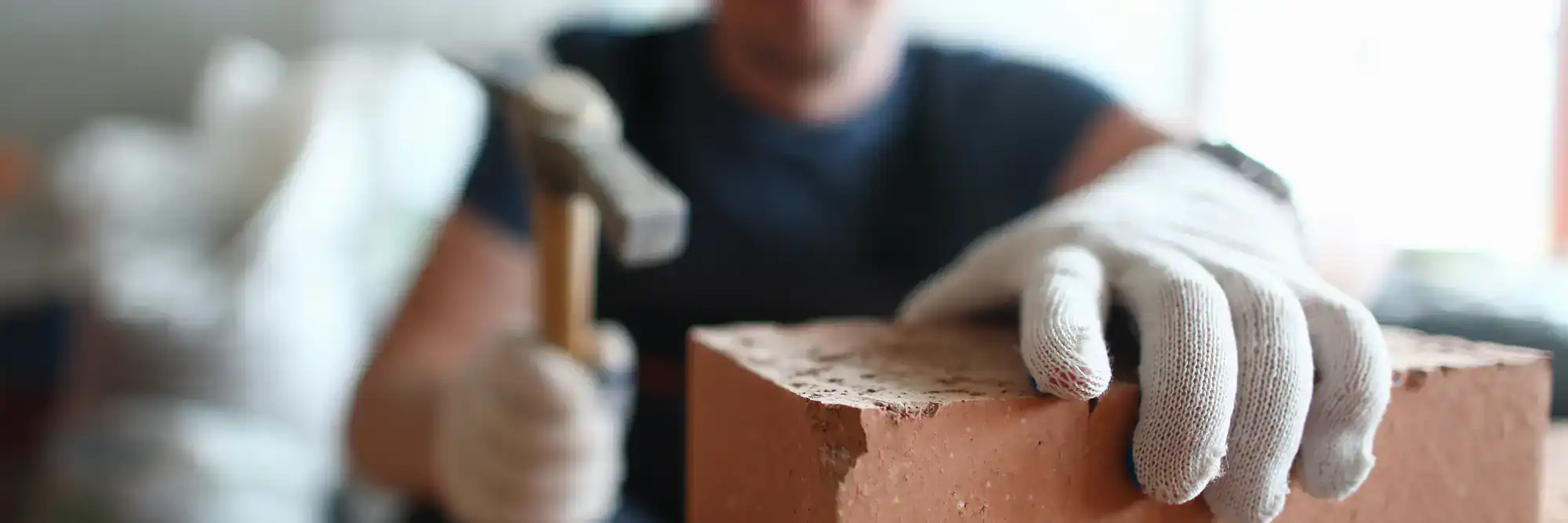
Then comes the restoration itself. For most natural stone restoration in Stuyvesant Town, we use a diamond abrasive grinding process. This isn’t your standard buffing or polishing it’s a controlled removal of the damaged surface layer that reveals the fresh, undamaged stone underneath. We work in stages, starting with coarser abrasives and finishing with finer ones until the surface is smooth and even.
After grinding, we polish the stone to bring back its original finish. This step varies depending on whether you have marble, granite, limestone, or another material. Each stone has a different hardness and responds differently to polishing compounds.
Finally, we seal the surface to protect it from future damage. The sealer we use depends on the stone type and where it’s located. A kitchen counter needs different protection than a bathroom floor.
The whole process usually happens in one visit. You’re not waiting weeks for results. Most stone surface restoration projects in Stuyvesant Town are completed the same day, and you can use the surface immediately after we’re done.
Ready to get started?
Stone Refinishing Services Stuyvesant Town
Our stone restoration service in Stuyvesant Town covers all natural stone types: marble, granite, limestone, slate, soapstone, and terracotta. If it’s natural stone and it’s damaged, we can restore it.
You get a full evaluation before we start. We don’t guess at what your stone needs we assess the damage, test the stone type, and explain exactly what we’ll do and why. No surprises, no upselling services you don’t need.
The restoration itself includes grinding out scratches and etches, removing stains, leveling uneven surfaces, and polishing to your preferred finish level. Some clients want a high-gloss shine. Others prefer a honed, matte look. We match whatever finish the stone originally had, or we can change it if you want something different.
We also handle repairs for chips and cracks. Small chips can be filled and blended so well you won’t see where the damage was. Larger cracks may need more extensive work, but even those can often be repaired without replacing the entire slab.
Given that Stuyvesant Town is one of Manhattan’s largest residential complexes with a median household income of $149,640, many residents here have invested in quality stone surfaces. You didn’t choose cheap materials, so don’t settle for cheap fixes. Stone refinishing in Stuyvesant Town should restore your investment properly not just make it look passable for a few months.
How much does stone restoration cost compared to replacing the stone?
Stone restoration in Stuyvesant Town typically costs 40-60% less than replacement, sometimes more depending on the material. Replacing marble countertops, for example, runs $3,000-$5,000 for an average kitchen when you factor in removal, new material, fabrication, and installation. Restoring those same counters usually costs $800-$1,500.
But cost isn’t the only difference. Replacement takes weeks. You’re without a kitchen or bathroom while contractors demo the old stone, template for new slabs, wait for fabrication, and install everything. Restoration happens in a day, usually in a few hours.
There’s also the waste factor. Tearing out perfectly good stone that just needs refinishing creates hundreds of pounds of landfill waste. Restoration keeps your original stone in place and functional for years longer. If you care about sustainability, that matters.
The only time replacement makes more sense is when the stone is structurally compromised major cracks that go all the way through, or damage so extensive that restoration would cost nearly as much as new material. That’s rare. Most damage we see is surface-level and completely reversible with proper stone restoration techniques.
Can you remove deep scratches and etches from marble and limestone?
Yes, and this is one of the most common reasons people call us for marble restoration. Etches happen when acidic substances like wine, citrus, or vinegar sit on marble or limestone. They’re not stains they’re chemical burns that dull the surface. Scratches come from dragging objects across the stone or using abrasive cleaners.
Both problems are fixed through our diamond abrasive grinding process. We remove the damaged layer of stone usually just a few millimeters to expose the undamaged material underneath. Then we re-polish the surface to match the original finish.
The depth of the scratch or etch determines how much material we need to remove. Light etches come out quickly with fine abrasives. Deep scratches require starting with coarser grits and working our way up. Either way, the damage disappears completely when we’re done.
One thing to know: if your marble has a honed (matte) finish instead of polished, etches are less visible but still there. We can restore honed finishes too, but the process is slightly different since we’re not polishing to a shine. We stop at the honing stage to match your original look.
This is specialized work. Most cleaning companies in Stuyvesant Town don’t have the equipment or training to do it right. Using the wrong abrasives or techniques makes the problem worse and can create permanent damage that’s much harder to fix.
How long does stone restoration take and when can I use the surface again?
Most stone floor restoration projects in Stuyvesant Town are completed in 3-6 hours depending on the size and condition of the area. Countertops usually take 2-4 hours. You can use the surface immediately after we finish.
The timeline breaks down like this: assessment and prep take about 30 minutes. We protect surrounding areas, set up equipment, and do a final check of what needs work. The actual grinding and polishing take the bulk of the time this varies based on how much damage we’re correcting and how large the area is. Sealing is the final step and takes 30-60 minutes including dry time.
We don’t need to come back multiple times. Everything happens in one visit unless you’re dealing with an unusually large commercial space or severe damage that requires multiple passes. For typical residential stone restoration in Stuyvesant Town a kitchen counter, bathroom vanity, or entryway floor we’re in and out the same day.
The sealer we apply is dry to the touch within an hour. You can walk on floors or use countertops right away. We do recommend waiting 24 hours before placing heavy objects on counters or using harsh cleaning products, just to let the sealer fully cure. But there’s no extended downtime where your kitchen or bathroom is unusable.
Compare that to replacement, which means days or weeks without access to the space. Stone restoration gives you your surfaces back the same day, looking like new.
What types of stone can you restore and are there any you can't fix?
We restore all natural stone types: marble, granite, limestone, slate, soapstone, travertine, and terracotta. Each material requires different techniques because they have different hardness levels and react differently to abrasives and polishing compounds.
Marble and limestone are softer stones, so they scratch and etch more easily but they also respond beautifully to restoration. Granite is much harder and more resistant to damage, but when it does get scratched or dulled, it requires diamond abrasives specifically designed for hard stone. Slate and soapstone have unique textures that need careful handling to preserve their natural character while removing damage.
The stone we can’t restore is engineered stone like quartz countertops (Caesarstone, Silestone, etc.). Those are man-made products with resins and polymers mixed in. They don’t respond to traditional stone restoration methods. If you have quartz, you’re looking at replacement if the damage is severe.
We also can’t fix stone that’s structurally failed large cracks that go through the entire slab, pieces that have broken off completely, or stone that’s delaminating from its backing. Those are replacement situations.
But surface damage scratches, etches, stains, dullness, minor chips is almost always fixable on natural stone. That covers about 90% of the problems we see in Stuyvesant Town. If you’re not sure whether your stone can be restored, we offer free consultations. We’ll look at it, tell you honestly what’s possible, and give you a quote with no obligation.
Will the restored stone look patchy or different from the rest of the surface?
No, and this is where experience matters. When stone surface restoration in Stuyvesant Town is done correctly, you can’t tell where the damaged area was. The restored section blends seamlessly with the surrounding stone.
This happens because we don’t just spot-treat the damaged area and stop. We feather our work outward, gradually blending the restored section into the untouched stone. The polishing process naturally evens out any transition areas. By the time we’re finished, the entire surface has a uniform appearance.
The key is matching the original finish level exactly. If your marble had a high-gloss polish, we polish the restored area to that same level of shine. If it was honed to a matte finish, we stop at that point. Matching the finish is what makes the repair invisible.
Color matching isn’t usually an issue because we’re not adding anything to the stone we’re revealing the natural material that was always underneath the damaged layer. The stone’s color and veining pattern continue through the entire slab, so exposing a fresh layer just shows more of what was already there.
The exception is if your stone has aged or yellowed significantly over time. In that case, the restored area might look slightly brighter or fresher than the surrounding stone. When that happens, we can either restore a larger area to even everything out, or we can discuss options for treating the entire surface so it all matches.
This is why you want a stone restoration company in Stuyvesant Town that’s been doing this for decades. We’ve seen every scenario and know how to handle variations in stone color, finish, and condition to deliver results that look factory-fresh.
How do I maintain my stone after restoration to prevent future damage?
The sealer we apply during natural stone restoration in Stuyvesant Town gives you a head start, but daily maintenance matters too. Here’s what actually works.
Clean spills immediately, especially acidic ones. Wine, coffee, citrus juice, and vinegar will etch marble and limestone if left sitting. Wipe them up as soon as they happen. For granite, you have more time, but it’s still good practice.
Use the right cleaning products. pH-neutral stone cleaners are your safest bet. Avoid anything with vinegar, lemon, ammonia, or bleach. Those are too acidic or alkaline and will damage the sealer or etch the stone itself. Even “natural” cleaners can be problematic if they’re acidic. Dish soap diluted in water works fine for daily cleaning.
Use coasters, trivets, and cutting boards. Don’t place hot pots directly on stone counters the thermal shock can cause cracks. Don’t cut directly on stone knives will scratch it. Don’t set glasses down without coasters condensation and drink rings can stain.
Reseal periodically. How often depends on the stone type and how much use it gets. Marble and limestone typically need resealing every 1-2 years. Granite can go 3-5 years. You’ll know it’s time when water stops beading on the surface and starts soaking in instead.
For stone floors in high-traffic areas, use rugs or mats at entryways to catch dirt and grit before it gets tracked across your stone. Those tiny particles act like sandpaper under foot traffic and gradually dull the finish.
If you follow these basics, your restored stone will stay beautiful for years. When it does eventually need attention again, the work required will be minimal a light polish rather than a full restoration. That’s the advantage of maintaining it properly from the start.
Other Services we provide in Stuyvesant Town