Serving NYC & Long Island info@nycstonecare.com
24/7 Availability

Marble Powder Polishing NYC & Long Island

Dull Marble Restored to Mirror Shine

That lifeless marble you’ve been scrubbing doesn’t need replacing. Powder polishing brings back the reflective finish, removes etching, and protects against future wear—all without the cost or disruption of full restoration.

Stone Chemistry Expertise

We know how calcium-based stones react to crystallization compounds and apply the right heat, pressure, and timing for lasting results.

Industrial-Grade Equipment

Weighted floor machines and professional polishing powders create the chemical reaction needed for true crystallization that consumer tools can't replicate.

Wet Process Methodology

Water-based application keeps dust contained and allows proper heat generation during buffing, protecting your space while delivering superior shine.

Preventive Maintenance Focus

Regular powder polishing stops minor wear from becoming major damage, saving you from costly diamond grinding and full floor restoration later.

Professional Marble Crystallization Polishing NYC

What Powder Polishing Actually Does

Marble powder polishing is a chemical-mechanical maintenance process that restores shine without removing significant stone material. Specialized crystallization powders react with the calcium carbonate in your marble, creating a harder, more reflective surface layer. It’s different from diamond grinding—this works on surfaces that have dulled from foot traffic, light etching, or everyday wear but haven’t lost their structural integrity.

When your marble feels relatively smooth but looks lifeless, powder polishing brings back that mirror-like finish. The process is particularly effective for high-traffic commercial lobbies, residential entryways in NYC and Long Island, and any polished marble surface that needs regular care between major restorations. Think of it as the maintenance that prevents expensive problems rather than the rescue operation that fixes them.

Marble Shine Restoration NYC & Long Island

What You Actually Get

Powder polishing creates measurable improvements that protect your investment and extend the time between expensive full restorations—benefits you'll see and feel every day.

Your floors reflect light like mirrors again instead of scattering it across dull patches that make entire rooms look dingy and neglected.
Etching from wine spills, lemon juice, acidic cleaners, and daily wear gets smoothed out, restoring crisp clarity across the entire surface.
The crystallized layer is harder than untreated marble, resisting scratches and wear from foot traffic that normally dulls floors in months.
You stop panicking over every spill or scuff mark because the treated surface holds up to normal use without immediate damage.
Maintenance polishing costs $3-8 per square foot versus full restoration that can run significantly higher, preserving marble before damage goes deep.
The service takes hours instead of days, and you’re back to using the space the same day without waiting for coatings to cure.

Stone Surface Polishing Solutions

Why Your Marble Looks Dull

Marble doesn’t just get dirty—it gets chemically damaged. The stone is calcium carbonate, which reacts when it contacts acids. Lemon juice, wine, vinegar, coffee, even some “natural” cleaners dissolve the polished surface and create dull spots called etching. Unlike stains that darken stone, etch marks look lighter, hazier, and feel rough. This happens in seconds, and scrubbing makes it worse because the damage is chemical, not cosmetic.

Then there’s mechanical wear. Every step brings grit, sand, and dirt that acts like sandpaper. Thousands of microscopic scratches accumulate in entryways, hallways, and kitchens. The surface stops reflecting light evenly and starts scattering it, creating that cloudy appearance. NYC winters amplify this—salt from sidewalks, moisture from snow boots, grit from streets—your marble takes a beating. The longer you wait, the deeper damage goes, and the more expensive fixes become.

Maintenance Polishing for Marble NYC

When This Service Makes Sense

Not every dull floor needs diamond grinding. If your marble feels relatively smooth when you run your hand across it, if dullness concentrates in traffic lanes or from light etching, powder polishing is the right approach. This works on surfaces that were polished originally and haven’t been neglected for years. It’s maintenance, not rescue.

The ideal candidate is marble that gets regular foot traffic, shows wear patterns or minor etching, but hasn’t developed deep scratches or structural damage. Commercial lobbies in NYC, residential entryways on Long Island, bathroom floors, and countertops with moderate dullness respond well. You’re looking at service that takes hours, costs less than full restoration, and returns that reflective finish without removing much material. For properties where marble sees constant use, scheduling stone powder polishing every 6 to 12 months keeps surfaces sharp and prevents deep damage requiring expensive intervention later.

Marble Powder Polishing Process

The Three-Step Process

01

Deep Clean and Prep

Floors get thoroughly cleaned to remove all dirt, grit, and residue that would prevent polishing compounds from bonding properly.

02

Crystallization Application

Specialized powder is applied in sections and buffed with steel wool pads under weighted machines, generating heat that creates the chemical reaction.

03

Final Buff and Cure

Surface is buffed to high gloss, and the hardened crystallized layer cures, creating lasting protection and that signature mirror finish.

Frequently Asked Questions

Find answers to common questions about our services, process, and how we work.
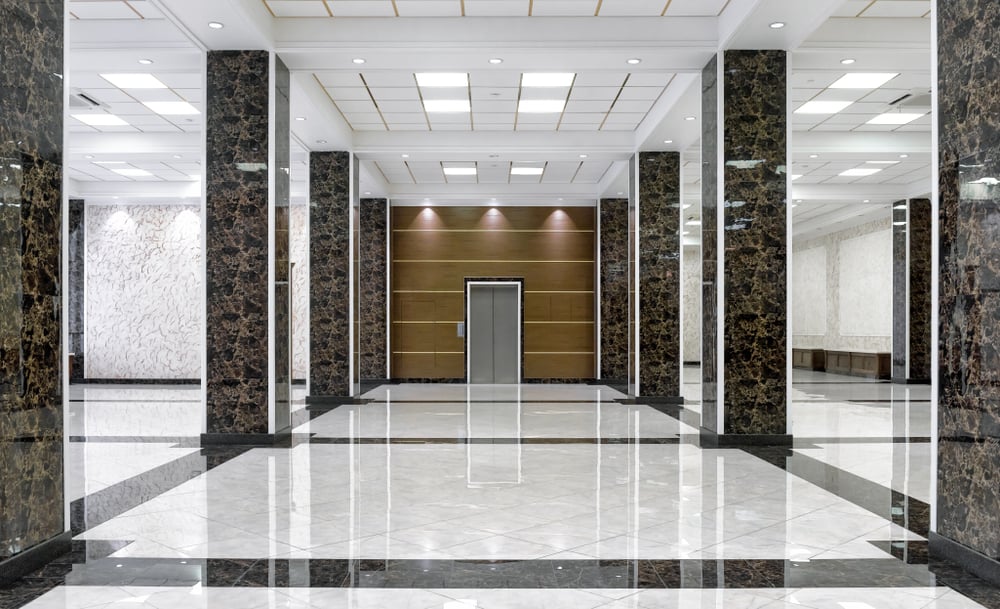
Spacious, modern building lobby with shiny marble floors enhanced by expert stone restoration NYC, dark marble columns, and bright ceiling lights. An elevator with wooden paneling is centered at the far end of the room.

Still Have Questions?

We’re here to help. Reach out to our team anytime!

How is marble powder polishing different from diamond polishing?
Powder polishing uses a chemical-mechanical process that creates a hardened crystallized layer on marble’s surface. Diamond polishing physically grinds and smooths stone with progressively finer abrasives. Powder polishing is faster, less invasive, and works best for maintenance on surfaces already in decent shape but dulled from use. Diamond polishing is what you need for deep scratches, major etching, or floors neglected for years. Think of powder polishing as the tune-up between major overhauls. It doesn’t remove much material, so it can be done more frequently without thinning stone over time. Most well-maintained marble in NYC and Long Island benefits from powder polishing every 6-12 months with diamond restoration only when damage goes deeper.
No. Powder polishing is a surface treatment for light to moderate wear. If you have deep scratches you can feel with your fingernail, heavy etching that looks frosted, or areas where stone feels rough and uneven, you need diamond honing first. The powder process can’t fill in or remove significant damage—it enhances surfaces that are structurally sound but visually dull. If you’re not sure what your floor needs, a professional assessment will determine whether powder polishing alone works or if you need more extensive restoration before crystallization. Trying to skip necessary prep just leads to disappointing results and wasted money. For NYC properties with severe winter damage or years of neglect, expect to start with diamond work.
That depends on traffic, use, and maintenance. In a residential entryway with moderate foot traffic, expect 6 to 12 months of good shine. A busy commercial lobby in Manhattan might need touch-ups every 3-6 months. The crystallized layer is harder than untreated marble, but it’s not permanent. Acidic spills, abrasive cleaners, and heavy grit still cause damage over time. The key is using pH-neutral stone cleaners, wiping spills immediately, and keeping dirt off floors with entry mats and daily sweeping. Properties in NYC and Long Island that stay on top of basic care get much longer intervals between polishing services than those that don’t. High-traffic areas always wear faster regardless of treatment quality.
Powder polishing works on calcium-based stones like marble, limestone, and travertine. It does not work on granite, slate, or other non-calcium stones because the chemical reaction requires calcium carbonate. Even within marble types, some respond better than others. Softer marbles with high porosity may need different techniques than dense, compact varieties. White Carrara, Calacatta, and most common residential marbles handle the process well. Exotic or rare marbles sometimes require testing first. We know which approach works for your specific stone and won’t apply one-size-fits-all methods that could cause problems. Never let someone powder polish granite—the chemistry doesn’t work and you’ll waste money.
You can buy polishing powders and rent equipment, but getting professional results takes experience. The process requires controlling heat, pressure, and timing to create the right chemical reaction without damaging stone. Too much heat or uneven application leaves swirl marks, hazy spots, or areas that don’t match. Consumer-grade equipment lacks the weight and precision of commercial machines, and most DIY attempts end up with mediocre results needing professional correction anyway. If you have a small area and experience working with stone, you might manage acceptable results. For whole floors, high-visibility spaces in NYC or Long Island, or valuable marble, hiring someone who does this regularly is smarter and usually cheaper than fixing DIY mistakes.
The crystallization process creates a harder surface layer, but it doesn’t seal stone the way penetrating sealers do. Most professionals recommend applying a quality impregnating sealer after polishing to protect against stains and moisture. The sealer doesn’t add shine—it provides invisible protection beneath the polished surface. How often you reseal depends on use and exposure. High-traffic areas and surfaces exposed to water, oils, or acidic substances need resealing every 6-12 months. Lower-traffic areas can go 1-2 years. A simple water-drop test tells you when it’s time: if water beads up, sealer is working. If it soaks in within minutes, you need to reseal. For NYC and Long Island properties dealing with winter salt and moisture, stay on the shorter resealing schedule.

Pin It on Pinterest

Share This