Serving NYC & Long Island info@nycstonecare.com
24/7 Availability

Travertine Restoration Service NYC & Long Island

Your Travertine Can Look Brand New Again

Dull floors, etched surfaces, and exposed holes don’t mean you need to replace your travertine. Professional restoration across NYC & Long Island brings back the shine, fixes damage, and protects your investment for years to come.

Over a Decade Serving NYC

Established expertise restoring travertine in homes and businesses across all five boroughs and Long Island with proven results.

Certified Stone Restoration Technicians

Trained professionals who understand travertine's unique properties and use proper techniques that won't cause further damage to your stone.

Eco-Friendly Stone-Safe Products

pH-neutral cleaners and breathable sealers protect your stone's integrity and your family's health without harsh chemicals or acids.

Free In-Home Consultation

Thorough assessment of your travertine's condition with transparent pricing and detailed service recommendations before any work begins.

Professional Travertine Restoration NYC & Long Island

Real Restoration That Fixes the Problem

Travertine loses its beauty over time. Acid spills etch the surface. Foot traffic wears down the finish. Natural holes reappear as factory fill pops out. Regular cleaning can’t fix these issues because they’re not dirt—they’re actual damage to the stone itself.

That’s where professional travertine restoration comes in. We use diamond honing techniques to remove etching and scratches, color-matched epoxy to repair holes and cracks, and commercial-grade sealing to protect against future damage. The result is travertine that looks the way it did when it was first installed.

Whether you’re dealing with dull floors in your home, etched countertops in your kitchen, or damaged surfaces in a commercial space, restoration costs a fraction of replacement while delivering results that last.

Travertine Floor Restoration Benefits

What You Get When Restoration Is Done Right

Professional travertine restoration doesn't just make your floors look better temporarily. It solves the underlying problems and gives you surfaces that stay beautiful with normal maintenance.

Your travertine regains its original shine and luster, transforming dull, tired-looking floors into surfaces that reflect light beautifully.
Etching and dull spots disappear completely through diamond honing, not just surface cleaning that leaves damage behind.
Holes and pits get filled with color-matched epoxy that blends seamlessly, creating smooth surfaces that don’t trap dirt anymore.
Cracks and chips are repaired properly, preventing them from spreading and causing more expensive damage down the road.
Professional sealing creates a protective barrier that makes your travertine more resistant to stains, moisture, and future etching.
Grout lines that stayed dirty no matter how much you scrubbed finally look clean because proper restoration removes embedded staining.

Travertine Polishing and Honing Services

Understanding What Your Travertine Actually Needs

Not all travertine damage is the same, and the fix depends on what’s actually wrong with your stone.

If your floors look dull or have wear patterns from foot traffic, honing removes the damaged top layer and reveals fresh stone underneath. We use diamond abrasive pads in progressive grits to smooth out scratches and even out the surface. Think of it like sanding wood—you start coarse to remove damage, then work through finer grits until the surface is smooth.

Polishing comes after honing if you want a glossy finish. We continue with even finer diamond pads and polishing compounds until the stone develops that mirror-like shine. If you prefer a matte look, we stop at the honing stage for a soft, velvety finish that’s less slippery and shows less wear over time.

Etching is different from dirt. When acidic liquids (coffee, wine, vinegar, citrus, even some cleaners) sit on travertine, they chemically react with the calcium in the stone and dissolve the surface. That creates dull white spots that no amount of cleaning will remove. The only fix is honing or polishing to remove the etched layer and restore the finish.

Travertine Repair and Restoration Process

What Happens During Professional Travertine Restoration

Proper restoration follows a specific sequence. Skipping steps or doing them out of order produces uneven results that don’t last.

First, we deep clean your travertine with pH-neutral, stone-safe products. This removes embedded dirt, soap residue, and old topical treatments that interfere with restoration work. High-speed scrubbers and gentle agitation lift grime from the stone’s pores without causing damage.

Next comes repair. We fill holes with color-matched epoxy, blending it into the surrounding stone so it’s barely visible once finished. Cracks get treated with penetrating epoxy for structural repairs, not just surface filler that pops out later. Damaged grout gets replaced or re-grouted with epoxy grout that won’t stain.

Then we hone and polish using professional diamond pads. This is where etching, scratches, and dull spots disappear. We work through multiple grit levels until we achieve the finish you want—whether that’s a soft matte hone or a high-gloss polish.

Finally, we seal the stone with commercial-grade penetrating sealers. These soak into the travertine and create a barrier against liquids and stains while still letting the stone breathe. Sealing isn’t optional—it’s essential for protecting your investment and making future cleaning easier.

Travertine Restoration Service Process

Simple Process, Professional Results

01

Free In-Home Assessment

We inspect your travertine, identify specific issues, and provide transparent pricing with detailed service recommendations tailored to your stone’s needs.

02

Professional Restoration Work

Our certified technicians clean, repair, hone, polish, and seal your travertine using commercial-grade equipment and stone-safe products designed for lasting results.

03

Final Inspection and Care Guidance

We review the completed work with you, ensure your complete satisfaction, and provide maintenance tips to keep your travertine looking beautiful.

Frequently Asked Questions

Find answers to common questions about our services, process, and how we work.
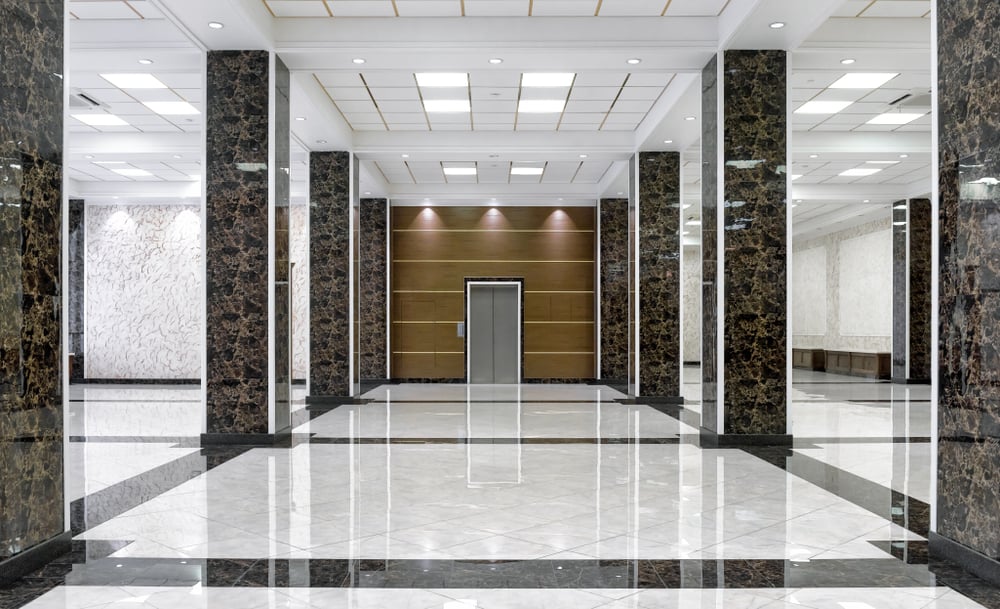
Spacious, modern building lobby with shiny marble floors enhanced by expert stone restoration NYC, dark marble columns, and bright ceiling lights. An elevator with wooden paneling is centered at the far end of the room.

Still Have Questions?

We’re here to help. Reach out to our team anytime!

Can you really remove etching from travertine, or will those dull spots always show?
Etching can absolutely be removed through professional honing and polishing. When acidic substances etch travertine, they chemically dissolve the surface layer of the stone, creating dull spots that cleaning can’t fix. The solution is to use diamond abrasive pads to carefully remove that damaged layer and reveal fresh, undamaged stone underneath. We then polish the surface to restore the finish. The etch marks disappear completely when this is done correctly. That said, sealing helps protect against future etching, but it won’t prevent it entirely—only avoiding acidic substances and cleaning up spills quickly does that. If you’re seeing white spots or dull patches on your travertine, those are almost certainly etch marks, and yes, we can fix them.
Restoration typically costs a fraction of what you’d pay for replacement. While exact pricing depends on your floor’s size and condition, you’re generally looking at a few dollars per square foot for restoration versus tens of dollars per square foot for removal and replacement when you factor in demolition, disposal, new materials, and installation labor. Beyond the cost savings, restoration is faster and less disruptive—no construction mess, no waiting for materials to arrive, and no need to move out during the work. Plus, you keep the original stone you invested in rather than starting over. For most homeowners, restoration makes financial sense unless the travertine is severely damaged beyond repair, which is rare. We’ll give you an honest assessment during your free consultation about whether restoration is the right choice for your specific situation.
Travertine naturally forms with holes and voids running through the stone—that’s part of what gives it character. Filled travertine has those holes filled with epoxy or grout during manufacturing or installation, creating a smooth surface. Unfilled travertine leaves the holes exposed for a more rustic, textured look. Over time, the factory fill in filled travertine can pop out due to foot traffic, temperature changes, or improper installation, leaving exposed holes that trap dirt and look unfinished. We can absolutely fix this through a process called travertine floating. We use color-matched epoxy to refill the holes, then blend and polish the repairs to match your floor’s existing finish. The result is a smooth surface that looks intentional, not damaged. If you have unfilled travertine and want it converted to a filled finish for easier cleaning, we can do that too.
Professional restoration should last for years when properly maintained. The honing and polishing work doesn’t wear off—we’ve physically removed damaged stone and revealed fresh material underneath. That stays until new damage occurs from wear, etching, or impact. Sealing is different. Penetrating sealers gradually wear down over time as they’re exposed to foot traffic, cleaning, and moisture. Most travertine needs resealing every one to three years depending on use. High-traffic areas like kitchen floors or commercial spaces need it more frequently. Low-traffic areas like bathroom walls can go longer. You’ll know it’s time to reseal when water stops beading up on the surface and starts soaking in instead. We can set up a maintenance schedule to keep your travertine protected, or you can reach out when you notice the sealer wearing thin. Regular resealing is much easier and less expensive than letting the stone go unprotected and needing full restoration again.
Yes, travertine restoration works in showers, bathroom floors, pool surrounds, and any other wet area. In fact, these spaces often need restoration more than dry areas because constant moisture exposure accelerates wear and makes etching more likely if acidic products are used. The process is the same—deep cleaning, repair, honing, polishing, and sealing—but we pay extra attention to grout condition and use sealers specifically formulated for high-moisture environments. Proper sealing is especially important in showers because it helps prevent water from penetrating the stone and causing staining, mold, or structural issues. We can also address soap scum buildup, hard water deposits, and grout discoloration that regular cleaning doesn’t touch. Just make sure to avoid acidic or harsh cleaners after restoration, and your shower travertine will stay beautiful.
Lippage is when tile edges don’t sit flush with each other, creating uneven surfaces where one tile is higher than its neighbor. It usually happens during installation if the tiles aren’t set properly or if the subfloor isn’t level. Lippage creates trip hazards, makes cleaning difficult because dirt gets trapped in the uneven edges, and just looks sloppy. You don’t necessarily need to fix lippage unless it bothers you or creates safety concerns, but many people choose to because it makes such a noticeable difference. We use diamond grinding technology to carefully grind down the higher tiles until everything is level and flush. Then we hone and polish the entire floor to restore a uniform finish. The result is a flat, smooth surface that’s easier to clean and safer to walk on. If your travertine floor has areas where you can feel the edges of tiles when you walk barefoot, that’s lippage, and yes, we can fix it.

Pin It on Pinterest

Share This