Serving NYC & Long Island info@nycstonecare.com
24/7 Availability

Travertine Restoration NYC & Long Island

Your Travertine Can Look New Again

Dull floors, visible cracks, stubborn etching—you see it every day. Professional travertine restoration in NYC & Long Island brings back the beauty you paid for without the cost of replacement.

Over a Decade Serving NYC

We understand the unique challenges travertine faces in this region—hard water, seasonal grit, heavy foot traffic, and the wear that comes with city living.

Trained Stone Care Specialists

Our technicians are continuously trained in the latest restoration techniques and use professional-grade equipment designed specifically for natural stone surfaces.

Eco-Friendly Restoration Methods

We use safe, environmentally responsible products and processes that protect your family, your home, and deliver results that last without harsh chemicals.

Transparent Pricing Always

You'll know exactly what you're paying for and why. No surprises, no upselling services you don't need—just honest communication from start to finish.

Professional Travertine Restoration Services

What Happens When Travertine Gets Ignored

Travertine is softer and more porous than most people realize. It’s basically calcium carbonate—the same stuff that dissolves when acid touches it. That morning orange juice? It leaves a dull spot. Wine stains won’t come out. Those natural holes keep reopening no matter how many times you’ve tried to fix them.

The damage builds slowly. A few scratches here, some etching there, grout lines that won’t come clean. Before long, your floors look tired and worn, and you’re wondering if replacement is the only option.

It’s not. Professional travertine restoration in NYC & Long Island addresses the root problems—not just the surface. We remove years of damage, restore the finish you originally fell in love with, and protect it so it actually stays that way.

Travertine Floor Restoration NYC & Long Island

What You Get With Professional Restoration

This isn't about making your floors "good enough." It's about bringing them back to the condition they were in when they were first installed—and keeping them there.

High-traffic areas regain their original finish instead of looking like worn pathways through your home.
Cracks and chips disappear completely with color-matched repairs that blend seamlessly into the surrounding stone.
Etching from acidic spills gets polished away, restoring the smooth, even finish across your entire floor or countertop.
Holes that constantly collect dirt and grime get filled properly with materials that actually stay in place.
Professional sealing creates a real barrier against stains, moisture, and everyday wear that regular cleaning can’t provide.
Daily maintenance becomes easier because sealed, properly finished travertine resists dirt and cleans up in half the time.

Travertine Polishing and Repair NYC

Why Surface Cleaning Doesn't Fix Real Problems

You can mop travertine every day and it still won’t bring back the shine. The problems aren’t on the surface. They’re in the stone itself.

Etching happens when acid dissolves a microscopic layer of calcium carbonate. It’s not dirt you can wipe away—it’s actual damage to the stone’s structure. Dullness comes from thousands of tiny scratches caused by grit, foot traffic, and improper cleaning methods. No amount of scrubbing fixes that.

Professional travertine polishing in NYC & Long Island uses diamond-impregnated pads in progressively finer grits to remove damaged layers and reveal fresh stone underneath. We’re not covering up the problem with wax or topical coatings that yellow and peel. We’re actually restoring the stone to its original condition. The difference is visible immediately—the stone reflects light again, colors look richer, and the surface feels smooth under your feet instead of rough and chalky.

Travertine Cleaning Service NYC & Long Island

What's Included in Professional Travertine Restoration

Every travertine restoration project starts with a thorough assessment. We need to see what we’re dealing with—how deep the scratches go, whether there’s structural damage, what finish you currently have, and what finish you actually want.

Deep cleaning comes first. We remove years of embedded dirt, soap residue, hard water deposits, and anything else that’s worked its way into the pores. This isn’t mopping. It’s restoration-grade cleaning using equipment and solutions designed specifically for natural stone.

Then comes repair work. Cracks get filled with color-matched epoxy that cures harder than the stone itself. Holes get filled and leveled. Broken or missing grout gets replaced. Lippage—those uneven tile edges that catch your toe—gets ground down flush. Honing and polishing follow, working through multiple grit levels to remove scratches, etching, and dullness, then polishing to your desired finish. Finally, we seal everything with professional-grade penetrating sealers that sink into the pores and create a barrier that repels liquids and stains.

Travertine Stone Care Process

How We Restore Your Travertine

01

Assessment and Deep Cleaning

We evaluate damage, test the stone, and perform deep cleaning to remove embedded dirt and prepare the surface for restoration work.

02

Repair and Surface Preparation

Cracks, chips, and holes get filled with color-matched materials. Uneven tiles are ground level. Grout is repaired or replaced where needed.

03

Honing, Polishing, and Sealing

Diamond pads remove scratches and etching in progressive grits. We polish to your desired finish, then seal with professional-grade products for lasting protection.

Frequently Asked Questions

Find answers to common questions about our services, process, and how we work.
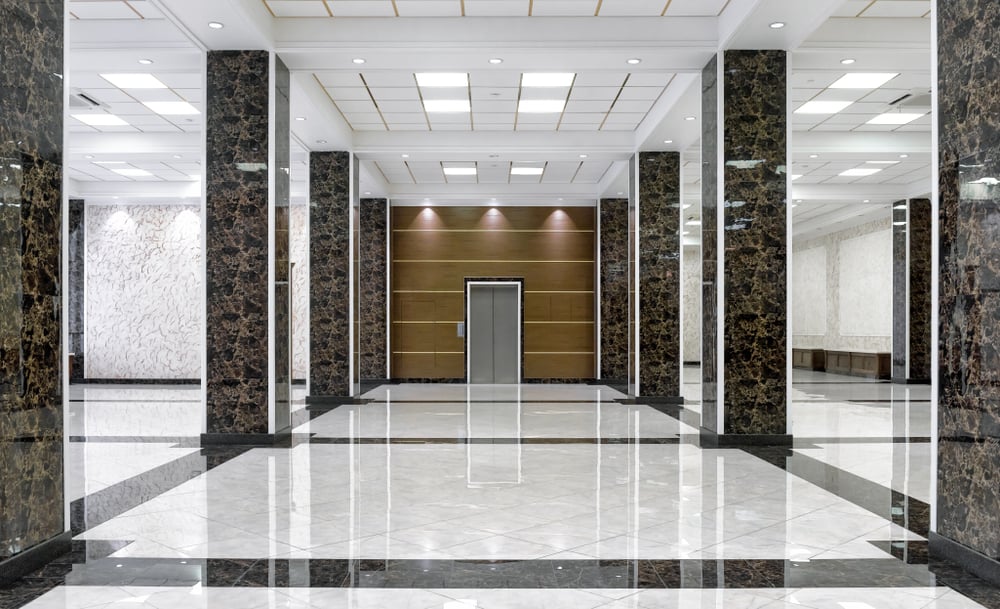
Spacious, modern building lobby with shiny marble floors enhanced by expert stone restoration NYC, dark marble columns, and bright ceiling lights. An elevator with wooden paneling is centered at the far end of the room.

Still Have Questions?

We’re here to help. Reach out to our team anytime!

How much does travertine restoration cost in NYC and Long Island?
Most travertine restoration projects in NYC and Long Island range from $5 to $15 per square foot depending on the condition of your stone and what services are needed. A typical residential floor restoration averages between $800 and $2,500 for the complete process. That includes deep cleaning, repairs, honing or polishing, and sealing. If your travertine only needs cleaning and sealing—not full restoration—the cost is lower. If there’s extensive crack repair, lippage removal, or stain treatment required, it may be higher. We provide transparent pricing after assessing your specific situation. The investment makes sense when you consider that full travertine replacement can cost $15 to $30 per square foot just for materials, plus installation labor. Professional restoration extends the life of your existing stone by 10 to 15 years at a fraction of replacement cost.
Yes, we can remove most etch marks and many types of stains, but the approach differs for each. Etching is physical damage where acid has dissolved the calcium carbonate in the stone, leaving a dull, rough spot. This requires honing and polishing with diamond pads to remove the damaged layer and reveal fresh stone underneath. It’s not something you can clean away—the stone needs to be refinished. Stains are different. They’re substances that have been absorbed into the pores. For stains, we use poulticing methods that draw contaminants out of the stone, sometimes combined with specialized cleaning agents. Deep stains that have penetrated far into the stone may not come out completely, but we can usually reduce their appearance significantly. The key is addressing these issues professionally rather than trying DIY methods that often make things worse. Acidic cleaners, abrasive scrubbing, and harsh chemicals can cause additional etching and damage that’s harder to repair.
Most residential travertine floor restoration projects take one to three days depending on the square footage and scope of work. A straightforward cleaning, polishing, and sealing job for an average-sized room might be completed in a single day. More extensive restoration involving crack repairs, lippage removal, and multiple finish levels takes longer. You can typically walk on your floors immediately after the work is done, but we recommend limiting traffic for the first few hours. If we’ve applied sealer, you’ll want to keep the surface dry for at least 12 to 24 hours to allow proper curing. We’ll give you specific timing based on the products used and the conditions in your space. For commercial properties or larger residential projects, we can often work in sections so the entire area doesn’t need to be off-limits at once. We’ll discuss scheduling during the assessment to minimize disruption to your daily routine.
Sealing travertine isn’t optional if you want it to stay looking good. Travertine is highly porous—it’s filled with tiny interconnected channels that act like sponges. Without sealer, those pores absorb everything: water, wine, coffee, oils, cleaning products, even the minerals in your tap water. Once absorbed, these substances cause stains, discoloration, and in some cases structural damage like mold growth or efflorescence. Sealing fills those pores with a protective barrier that repels liquids instead of absorbing them. When you spill something on properly sealed travertine, it sits on the surface long enough for you to wipe it up before it penetrates. The sealer also makes routine cleaning easier because dirt and grime can’t embed into the stone. Professional-grade penetrating sealers need to be reapplied every three to five years depending on traffic and use. High-traffic areas may need more frequent resealing. We can test your current sealer during an assessment to see if it’s still providing adequate protection or if it’s time for a fresh application.
Honed travertine has a matte, smooth finish with little to no shine. It’s created by stopping the polishing process at a lower grit level, which leaves the surface flat and even but not reflective. Honed finishes are popular in high-traffic areas, bathrooms, and anywhere you want slip resistance. They also hide minor scratches and etching better than polished finishes, so they’re more forgiving in busy households. Polished travertine has a glossy, reflective finish that shows off the stone’s colors and patterns more dramatically. It’s achieved by continuing the polishing process through very fine grits, sometimes finishing with polishing compounds. Polished travertine looks more formal and elegant, but it shows scratches, etching, and wear patterns more easily. It’s also more slippery when wet, so it’s not the best choice for shower floors or entryways. Most people choose based on the room’s function and their aesthetic preference. We can show you examples and help you decide which finish makes sense for how you actually use the space.
Travertine forms naturally with voids and holes created by gas bubbles during its formation in hot springs. When travertine is cut into tiles, manufacturers usually fill these holes with grout or epoxy to create a smoother surface. The problem is that these fillers break down over time from foot traffic, expansion and contraction, and cleaning. As the filler material degrades or pops out, the original holes reappear. This is completely normal and doesn’t mean your travertine is defective—it’s just the nature of the stone. Professional hole filling uses high-quality, flexible epoxy resins that are color-matched to your specific travertine and cure with stronger adhesion than factory fills. These repairs last significantly longer because they’re designed to flex slightly with the stone’s natural movement rather than cracking and popping out. After filling, we hone and polish the area to blend it seamlessly with the surrounding surface. Regular sealing also helps protect filled areas by preventing moisture from working underneath the filler and loosening it.

Pin It on Pinterest

Share This