Serving NYC & Long Island info@nycstonecare.com
24/7 Availability

Limestone Restoration NYC & Long Island

Dull, Etched, Stained Limestone Restored to Original Condition

Professional limestone restoration in NYC & Long Island that removes etching, eliminates deep stains, repairs damage, and brings back the smooth finish—without replacement costs.

Decade of Stone Expertise

Over 10 years specializing in natural stone restoration throughout NYC and Long Island, working with limestone, marble, granite, and travertine daily.

Non-Acidic Methods Only

We use pH-neutral solutions and professional diamond honing that restore your limestone without the chemical damage that vinegar and acidic cleaners cause to calcium-based stone.

State-of-the-Art Equipment

Professional-grade diamond grinding technology and breathable penetrating sealers deliver results that last, not temporary fixes that fade in months.

Customized Restoration Process

We provide thorough assessment before any work begins to ensure the right approach for your specific limestone type, damage level, and desired finish.

Professional Limestone Restoration NYC

Fixing What Vinegar, Traffic, and Time Do to Limestone

Limestone is beautiful, but it’s also soft and reactive. Acidic spills leave dull etch marks that won’t clean away. Foot traffic creates visible wear patterns. Moisture brings stains that penetrate deep into the porous surface. And if you’ve been using the wrong products—vinegar, lemon-based cleaners, even some “natural” solutions—you’ve likely caused permanent damage without realizing it.

We specialize in limestone restoration in NYC & Long Island for residential and commercial properties. Our process handles everything from minor surface dullness to deep staining, cracks, chips, and uneven tiles. Professional limestone cleaning, honing, polishing, repair, and sealing bring your stone back to its original condition using methods that respect limestone’s natural composition.

Whether it’s a kitchen floor that’s lost its luster, a bathroom countertop covered in etch marks, or a commercial lobby showing years of heavy use, the right restoration process brings it back. No shortcuts, harsh chemicals, or guesswork.

Limestone Floor Restoration NYC Results

The Results You'll Actually See and Feel

Limestone restoration in NYC & Long Island brings back the surface you paid for and protects it so it stays that way—here's what that looks like in your space.

Etch marks from wine, citrus, and acidic cleaners disappear as diamond honing removes the damaged layer and reveals smooth, fresh stone underneath.
Deep stains from coffee, oils, and hard water are extracted using professional techniques that pull contaminants out without damaging the porous limestone.
Cracks and chips blend seamlessly into the surrounding stone after repair with color-matched materials and precision honing.
Worn, scratched areas from foot traffic regain their original finish as progressive diamond grits reveal undamaged stone beneath the surface layer.
Your limestone resists future staining and moisture damage once professional sealing fills the pores with breathable protection.
Uneven tiles that catch feet or make cleaning difficult become flat and level after lippage removal grinding.

Limestone Cleaning NYC & Long Island

The Right Cleaning Methods Save Your Stone

Here’s what most people don’t know: limestone is made of calcium carbonate, which reacts chemically with anything acidic. Vinegar, lemon juice, most bathroom cleaners, even some “stone-safe” products—they all cause etching. That dull spot isn’t dirt. It’s permanent surface damage from a chemical reaction.

Our professional limestone cleaning in NYC & Long Island uses only non-acidic, pH-neutral solutions designed specifically for calcium-based stone. Deep cleaning removes dirt, grime, and buildup from the pores without stripping the surface or degrading sealers. For floors, countertops, showers, and other limestone surfaces, this means thorough cleaning that protects your investment instead of slowly destroying it.

If your limestone already has etch damage from improper cleaning, honing can remove the damaged layer and restore the original finish. But only if you stop using acidic products now. Limestone cleaning near you should always mean pH-neutral methods from technicians who understand the stone’s chemistry.

Limestone Polishing & Sealing Services

Custom Finishes Plus Long-Term Protection

Limestone polishing in NYC & Long Island isn’t one-size-fits-all. Some limestone was installed with a matte honed finish. Some has a soft polish. Some clients want a satin sheen, others prefer semi-gloss. We match the finish to what you started with—or change it to something new if you’re ready.

We use progressive diamond-infused pads and professional compounds to achieve the exact level of smoothness and shine you’re looking for. For honed finishes, we stop at the grit level that gives you that velvety, non-reflective surface. For polished finishes, we continue with finer grits and polishing compounds to create a lasting sheen.

Then comes limestone sealing in NYC & Long Island properties. Limestone is porous—liquids soak in and cause stains if the stone isn’t protected. We apply breathable penetrating sealers that fill microscopic pores without sitting on top of the surface. This gives you stain resistance while still allowing the stone to release moisture naturally. Sealing doesn’t prevent etching (that’s a chemical reaction with the stone itself), but it buys you time when spills happen, making cleanup easier and preventing permanent discoloration. Limestone restoration near you should always include proper sealing as the final protection step.

Limestone Repair NYC & Long Island

The Process That Brings Your Limestone Back

01

Assessment and Damage Evaluation

We inspect your limestone to identify etching, stains, cracks, wear patterns, and previous damage—then give you a clear explanation of what’s needed and why.

02

Deep Cleaning and Repair

We use non-acidic solutions to clean the surface thoroughly while filling cracks and chips with color-matched compounds and blending them to match the surrounding stone.

03

Honing, Polishing, and Sealing

We use diamond pads to remove scratches and etches, revealing fresh stone. We polish it to your desired finish, then apply professional-grade breathable sealing to protect it.

Frequently Asked Questions

Find answers to common questions about our services, process, and how we work.
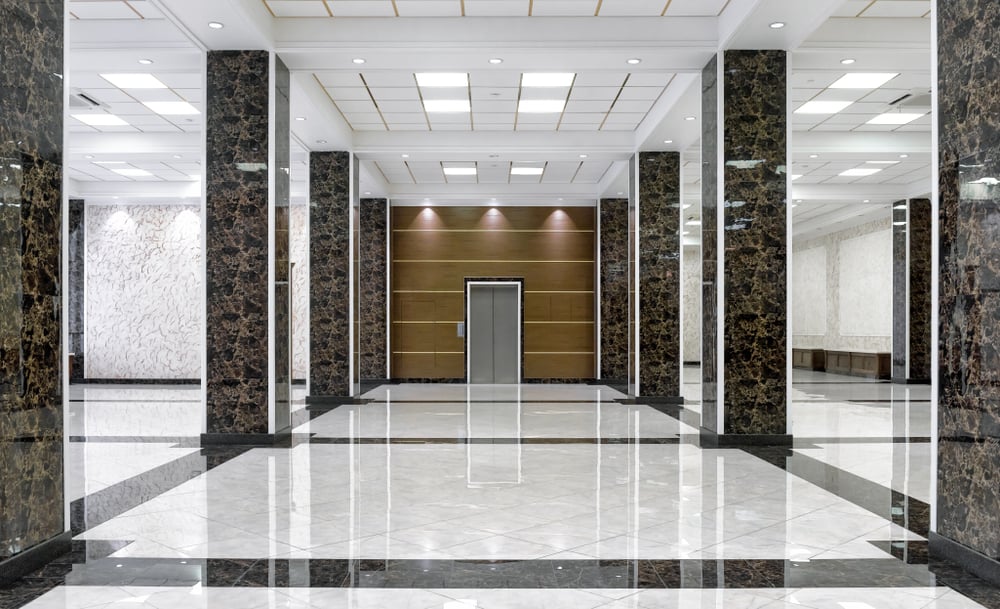
Spacious, modern building lobby with shiny marble floors enhanced by expert stone restoration NYC, dark marble columns, and bright ceiling lights. An elevator with wooden paneling is centered at the far end of the room.

Still Have Questions?

We’re here to help. Reach out to our team anytime!

Can etching from acidic spills on limestone actually be fixed or is it permanent?
Etching is permanent in the sense that cleaning won’t remove it—it’s not a stain, it’s chemical damage to the surface layer. But it’s absolutely fixable through professional restoration. When acidic substances like vinegar, lemon juice, wine, or tomato sauce contact limestone, they react with the calcium carbonate and dissolve the polished surface, leaving dull spots or rings. We fix this using a process called honing, where we use progressively finer diamond abrasive pads to remove the damaged layer and reveal fresh, undamaged stone underneath. Then we re-polish the area to match the finish on the rest of your surface. The key is stopping the use of acidic cleaners immediately and calling in professionals who understand the chemistry. DIY etch removal products can help with very minor marks, but deeper etching requires the right equipment and expertise to restore properly without creating uneven spots or making the damage more visible.
Most residential limestone benefits from resealing every one to three years, depending on location and use. Kitchens and bathrooms—where you have more moisture and potential for spills—tend to need sealing on the shorter end of that range. Entryways and high-traffic floors may also need more frequent attention. Commercial properties with heavy foot traffic often need annual sealing to maintain protection. The water test tells you when resealing is due: place a few drops of water on the surface and watch what happens. If the water beads up and sits on top, your sealer is still working. If it darkens the stone or soaks in within a minute or two, it’s time to reseal. Keep in mind that sealing protects against staining by filling the pores, but it doesn’t prevent etching, which is a chemical reaction with acids. Both protection and proper cleaning habits matter for long-term results.
Limestone cleaning removes dirt, grime, and surface buildup using appropriate non-acidic cleaning solutions and professional equipment. It’s maintenance that keeps your stone looking good between restoration services. Limestone restoration addresses actual damage—etching, deep stains, scratches, wear patterns, cracks, chips, and dullness that cleaning alone can’t fix. Restoration involves mechanical processes like honing (using diamond abrasives to remove damaged surface layers), polishing (refining the surface to your desired finish), crack and chip repair (filling damage with color-matched compounds), lippage removal (grinding uneven tiles flat), and professional sealing. Think of cleaning as regular upkeep, while restoration is the repair work needed when the stone has been damaged by time, traffic, improper care, or acidic substances. Most limestone needs professional restoration every few years depending on use, with regular cleaning in between to maintain the results and protect your investment.
Those dull areas are almost always traffic patterns—the natural result of foot traffic wearing down the surface in high-use zones. Limestone is relatively soft, and when people walk across it, tiny particles of dirt and grit on shoes act like sandpaper, creating microscopic scratches that accumulate over time. These scratches scatter light instead of reflecting it, which makes those areas look dull compared to low-traffic zones near walls or under furniture that still have their original finish. This happens in entryways, hallways, in front of sinks, and anywhere people walk regularly. It’s completely normal and fully reversible through professional honing and polishing. We use diamond abrasive pads in progressive grits to remove the scratched layer and reveal fresh, smooth stone underneath, then polish it back to match the original finish. Once restored, proper sealing and the use of entry mats to trap grit before it reaches your limestone can slow down future wear significantly. Limestone floor restoration in NYC & Long Island specifically addresses this wear pattern issue.
Most limestone stains can be removed, but the process depends on what caused the stain and how deep it has penetrated. Limestone is porous, which means liquids soak into the stone if it’s not properly sealed. Common stains include coffee, wine, oils, hard water deposits, rust, and organic matter like leaves or food. For surface-level stains, professional deep cleaning with the right pH-neutral solutions often does the job. For stains that have penetrated deeper into the pores, we use poultice treatments—absorbent materials mixed with specific cleaning agents that draw the stain back out through the surface. Oil-based stains need different treatment than organic stains, which is why identifying the source matters. Some discoloration, especially from prolonged moisture exposure or certain minerals, may require more aggressive treatment or light honing to remove. The key is acting quickly when spills happen and making sure your limestone is properly sealed to give you time to clean up before liquids soak in. Prevention through proper limestone sealing is always easier than stain removal.
Professional limestone restoration costs significantly less than replacement, often a fraction of what you’d pay to remove old stone, purchase new materials, and reinstall everything. Restoration typically ranges from a few hundred to a few thousand dollars depending on the size and damage extent, while replacement can easily run into tens of thousands once you factor in demolition, disposal, new stone, installation labor, and the disruption to your home or business. Beyond cost, restoration preserves the original stone you chose for its specific color, pattern, and character—replacement means starting over with new material that may not match exactly, especially if your limestone is older or from a specific quarry. Restoration also takes much less time, usually completed in a day or two for most residential projects, compared to weeks for full replacement. The only time replacement makes more sense is when the stone has severe structural damage, widespread cracking from settling, or incorrect installation. For etching, staining, scratches, dullness, and normal wear, restoration is the smarter, more cost-effective choice that delivers results that look as good as new.

Pin It on Pinterest

Share This