Logo featuring the text "NYC Stone Care" with the "Y" in "NYC" stylized in red. The white background and green border highlight this stone restoration NYC brand’s professional look.

Stone Restoration New Jersey

Your Stone Doesn't Have to Stay Dull

That marble floor used to shine. Your granite counters had depth and richness. Now they look tired, scratched, and nothing like what you paid for. Professional natural stone restoration in New Jersey brings them back without the cost of replacement.

Diamond Abrasive Grinding Process

We use professional-grade diamond abrasives to remove surface damage and reproduce the original factory finish your stone had when new.

Specialized Stone Knowledge

Marble needs different treatment than granite. Travertine isn't the same as limestone. We know the difference and treat each stone type correctly.

No Dust, No Mess

Our dustless restoration process protects your home and delivers even results without the cleanup headaches that come with grinding and polishing.

Complete Satisfaction Guarantee

We don't consider the job done until your stone looks the way it should. If you're not satisfied, we keep working until you are.

Natural Stone Restoration in New Jersey

Restoration Costs Less Than You Think

Most people assume damaged or dull stone means replacement. It doesn’t. Stone restoration in New Jersey removes scratches, etching, and dullness by resurfacing the stone itself, not covering it with coatings that wear off.

The process uses diamond grinding to take off a thin layer of damaged surface and reveal fresh stone underneath. Then we polish it to the finish you want—high gloss, satin, or honed matte. Finally, we seal it to protect against future stains and moisture.

You get stone that looks new again, for a fraction of what replacement would cost. Most restoration projects run $5 to $15 per square foot. Replacement starts at $10 and can hit $100 per square foot depending on the material. The math makes sense.

Stone Polishing and Repair NJ

What Restoration Actually Fixes

This isn't surface-level cleaning. We're removing the damaged layer of stone and bringing back the finish that made you choose natural stone in the first place.

Dull, lifeless floors and counters get their shine back—the kind of reflection you saw when the stone was first installed.
Scratches from years of use disappear as we grind down to smooth, undamaged stone and repolish the surface.
Etch marks from wine, lemon juice, or harsh cleaners are removed, not just covered up or temporarily buffed.
Stains that have penetrated the stone get pulled out through proper treatment, and sealing prevents new ones from setting in.
Uneven tile floors get leveled through precision grinding, eliminating lippage where tiles meet at grout lines.
Your stone lasts decades longer when properly restored and sealed, protecting the investment you made in quality materials.

Marble and Granite Restoration New Jersey

Not All Stone Damage Is Permanent

Here’s what most people get wrong: they see dull spots or scratches and assume the stone is ruined. It’s not. What looks like permanent damage is usually just surface-level wear that restoration fixes completely. Etching happens when acidic substances react with calcium-based stones like marble, travertine, and limestone. It’s not a stain—it’s a chemical burn that dulls the surface. You can’t clean it off because there’s nothing to clean. The surface itself changed. Restoration removes that damaged layer and repolishes the stone. Scratches work the same way. They’re not in the stone—they’re on it. Diamond grinding smooths them out progressively, starting with coarser abrasives and working up to finer grits that create the polished finish. Even deep stains can be addressed. Oil-based stains, water rings, and discoloration often penetrate porous stone, but proper treatment draws them back out before we seal the surface to prevent it from happening again. The key is understanding what type of damage you’re dealing with and using the right method to fix it. That’s where professional stone restoration in New Jersey makes the difference.

Stone Repair Service Near You

What's Included in Professional Restoration

Stone restoration isn’t one-size-fits-all. What your floors need might be different from what your counters need. What works on marble won’t work the same way on granite. Here’s what the process actually involves. First, we assess the stone type and the extent of damage. Marble and limestone are softer and more porous than granite, so they require different abrasives and techniques. Travertine has natural pitting that we work around rather than trying to eliminate. Terrazzo is a composite that polishes differently than solid stone. Then comes grinding. We use diamond abrasives in progressive grits to remove scratches, lippage, and surface damage. This is a dustless process that doesn’t leave your home covered in stone dust. Each pass smooths the surface more until we’re ready for polishing. Polishing brings back the shine. Depending on what finish you want—high gloss, satin, or honed matte—we use specific compounds and techniques to achieve it. This isn’t a coating. It’s the stone itself, polished to reflect light.

Finally, we seal the stone. Sealing doesn’t prevent etching (that’s a chemical reaction), but it does protect against stains by creating a barrier that gives you time to wipe up spills before they penetrate. Depending on use, you’ll want to reseal every 6 to 12 months.

Natural Stone Polishing Process

How We Bring Your Stone Back

01

Assessment and Evaluation

We inspect your stone to identify the type, finish, and extent of damage so we know exactly what methods and abrasives to use.

02

Diamond Grinding and Honing

Progressive diamond abrasives remove scratches, etching, and surface damage while leveling uneven areas and preparing the stone for polishing.

03

Polishing and Sealing

We polish the stone to your preferred finish and apply professional-grade sealer to protect against stains, moisture, and daily wear.

Frequently Asked Questions

Find answers to common questions about our services, process, and how we work.
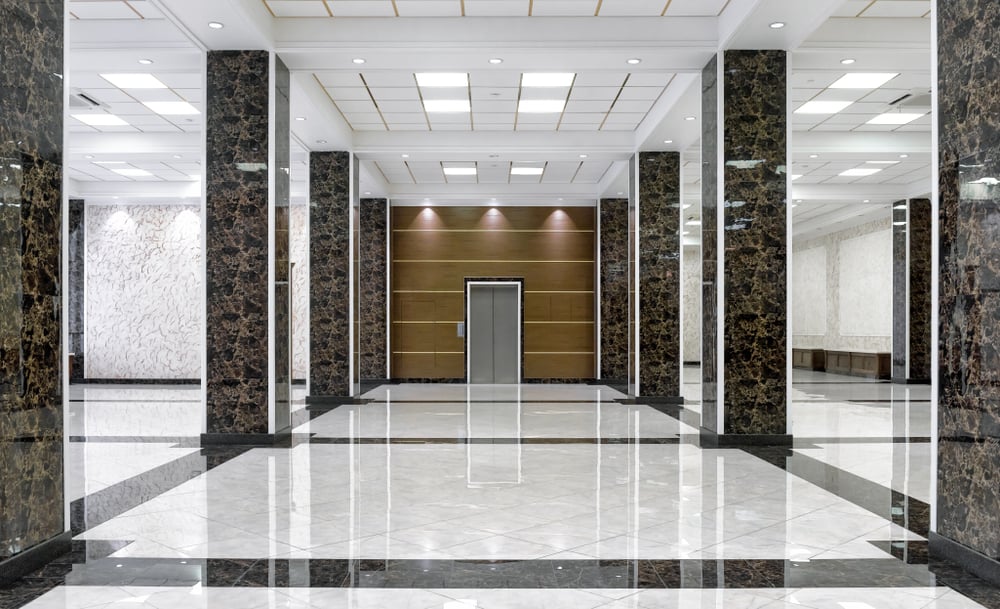
Spacious, modern building lobby with shiny marble floors enhanced by expert stone restoration NYC, dark marble columns, and bright ceiling lights. An elevator with wooden paneling is centered at the far end of the room.

Still Have Questions?

We’re here to help. Reach out to our team anytime!

How much does stone restoration cost compared to replacement in New Jersey?
Stone restoration in New Jersey typically costs between $5 and $15 per square foot, depending on the type of stone and the extent of damage. Replacement, on the other hand, starts at $10 per square foot for basic materials and can easily reach $100 per square foot for premium marble or granite—plus you’re paying for removal, disposal, and installation. Most homeowners save 50% to 70% by restoring instead of replacing. Beyond cost, restoration is faster, less disruptive, and keeps the original stone you invested in. If your stone has sentimental value or you can’t find a match for discontinued materials, restoration is often the only realistic option.
Etching and staining look similar but they’re completely different problems. Etching happens when acidic substances like lemon juice, wine, vinegar, or harsh cleaners react chemically with calcium-based stones like marble, travertine, and limestone. The acid literally eats away a thin layer of the surface, leaving dull spots or water rings. Etching is always lighter in color than the surrounding stone. Staining, on the other hand, happens when a substance penetrates into the pores of the stone and leaves behind color or residue. Stains are always darker than the stone. You can’t clean off etching because it’s actual surface damage, not dirt. It requires grinding and repolishing. Stains can often be drawn out with poultices before sealing. Knowing which one you’re dealing with determines the right fix.
Yes, scratches and dull spots can be removed from granite countertops through professional polishing. Granite is extremely hard, which means scratches are usually surface-level rather than deep gouges. We use diamond polishing pads in progressive grits to smooth out scratches and restore the shine. Light scratches often disappear after just a few passes with the right abrasives. Deeper scratches may require more aggressive grinding before polishing. Dull spots on granite are typically caused by etching (less common on granite than marble, but it happens) or by buildup from improper cleaners. Restoration removes that damaged layer and brings back the glossy finish. The process takes a few hours for most countertops, and the results are immediate. Once restored, proper sealing and pH-neutral cleaners keep your granite looking sharp.
Most residential stone restoration projects take anywhere from a few hours to a full day, depending on the size of the area and the extent of damage. A standard kitchen countertop might take 3 to 5 hours. A large marble floor could take a full day or more. The process involves multiple steps—grinding, honing, polishing, and sealing—and each one takes time to do correctly. We don’t rush. Cutting corners leads to uneven results, burn marks from friction, or finishes that don’t last. For commercial projects like lobbies or high-traffic areas, we often work in sections or during off-hours to minimize disruption. The good news is that once restoration is complete, you can use the surface right away. There’s no curing time or waiting period like there would be with replacement.
Most natural stone should be resealed every 6 to 12 months, depending on how much use it gets. High-traffic areas like kitchen counters, entryway floors, or commercial lobbies may need sealing closer to every 6 months. Low-use areas like bathroom vanities or decorative stone features can often go a full year or longer. The easiest way to test if your stone needs resealing is the water test: pour a small amount of water on the surface and let it sit for 30 minutes. If the water darkens the stone or leaves a ring, it’s penetrating and it’s time to reseal. If the water beads up, your sealer is still doing its job. Sealing doesn’t prevent etching—that’s a chemical reaction—but it does protect against stains by giving you time to wipe up spills before they soak in.
Restoration works on all natural stone types, including travertine, limestone, terrazzo, slate, and onyx. Each stone has unique characteristics that require specific techniques, but the core process is the same: remove the damaged surface layer, polish to the desired finish, and seal for protection. Travertine, for example, has natural pitting that we work around rather than trying to eliminate. Limestone is softer and more porous than granite, so we use gentler abrasives. Terrazzo is a composite material made of stone chips set in resin or cement, and it polishes beautifully with the right approach. The key is understanding what each stone needs. That’s why experience matters. A company that only works with marble might not know how to handle slate. We’ve worked with every common stone type, and we adjust our methods accordingly.
Logo featuring the text "NYC Stone Care" with the "Y" in "NYC" stylized in red. The white background and green border highlight this stone restoration NYC brand’s professional look.

100 Park Ave.
New York, NY 10017

Opening Hours

Monday: 8:00am – 5:00pm
Tuesday: 8:00am – 5:00pm
Wednesday: 8:00am – 5:00pm
Thursday: 8:00am – 5:00pm
Friday: 8:00am – 5:00pm

Pin It on Pinterest

Share This