Serving NYC & Long Island info@nycstonecare.com
24/7 Availability

Soapstone Repair NYC & Long Island

Scratches Gone, Character Restored

Your soapstone develops personality over time, but deep scratches and uneven wear shouldn’t define it. We restore the smooth, rich surface you fell in love with—without replacing what’s already there.

Decades of Stone Experience

We've worked with soapstone long enough to know it behaves differently than marble or granite. That experience protects your investment.

Proper Tools and Techniques

Diamond abrasives, controlled grit progression, and stone-safe products. We use what actually works, not what damages your countertop.

No Harsh Chemicals Ever

Soapstone doesn't need aggressive acids or sealers. We respect the stone's natural properties and work with them, not against them.

Honest Damage Assessment

We'll tell you exactly what's fixable and what's not. No upselling, no unnecessary treatments—just straight answers about your stone.

Professional Soapstone Restoration Services

Built for a Stone That Ages Differently

Soapstone isn’t like other countertops. It’s softer, it darkens over time, and it develops a patina that some people love and others want to control. That’s exactly why it needs someone who understands how it behaves. We’ve spent years working with soapstone restoration across NYC & Long Island—restoring scratched surfaces, removing deep stains, fixing uneven darkening, and bringing back the smooth matte finish this stone is known for. Whether your countertop has light surface wear or deeper damage from years of use, we know how to assess it, repair it, and get it back to a condition you’re proud of.

Soapstone Countertop Repair NYC

What You Actually Get From Restoration

Not just a cleaner surface—a countertop that looks cared for, feels smooth again, and holds up to daily use without constant worry.

Scratches from knives, pots, and daily wear disappear through proper grinding and refinishing.
Uneven oil stains or blotchy darkening get corrected so your entire surface looks consistent.
Dull, faded areas regain their depth and rich color with the right treatment.
Chips and gouges are repaired so you don’t see or feel the damage anymore.
You’ll understand how to maintain it properly going forward—oil, clean, or leave it natural.
Your countertop lasts decades longer without needing replacement, saving you thousands.

Soapstone Cleaning Service NYC

Why Soapstone Scratches So Easily

Soapstone sits at about a 1 or 2 on the Mohs hardness scale. For context, your fingernail is around 2.5. That means this stone scratches easier than almost any other countertop material. A butter knife dragged across the surface will leave a mark. So will sliding a cast iron pan, dropping your keys, or even scrubbing too hard with the wrong sponge. But here’s what most people don’t realize: those scratches aren’t permanent damage. Because soapstone is so soft, it’s also one of the easiest stones to repair. We can sand out surface scratches, blend deeper ones, and restore the finish without replacing anything. The key is using the right grit progression and knowing when to stop. Go too aggressive and you’ll create low spots. Not aggressive enough and the scratch stays visible. That’s where experience matters.

Soapstone Polishing Long Island

What's Actually Included in Soapstone Repair

When we restore soapstone in NYC & Long Island, we start by assessing the damage—scratches, stains, chips, uneven darkening. Then we clean the surface to remove any buildup, oils, or residue that’s masking the real condition. For scratches, we use diamond abrasives in a controlled grit progression, starting coarse and moving finer until the surface is smooth again. Deep stains get treated with poultices or alkaline cleaning before we refinish. If there are chips or cracks, we repair those with color-matched materials so they blend in. Once the surface is restored, we can apply mineral oil if you want that darker, richer look—or leave it natural if you prefer the lighter gray tone. We’ll also walk you through maintenance so you know how to care for it without creating new problems. The goal isn’t just to fix what’s broken. It’s to give you a surface that works the way you need it to.

Soapstone Stone Care Process

How We Restore Your Soapstone

01

Surface Assessment and Cleaning

We inspect the damage, identify what’s causing it, and deep clean the surface to see what we’re really working with.

02

Repair and Refinishing

Scratches are sanded out, stains are treated, chips are filled. We bring the surface back to smooth and even.

03

Final Treatment and Guidance

We apply mineral oil if requested, inspect the finished surface, and show you how to maintain it properly.

Frequently Asked Questions

Find answers to common questions about our services, process, and how we work.

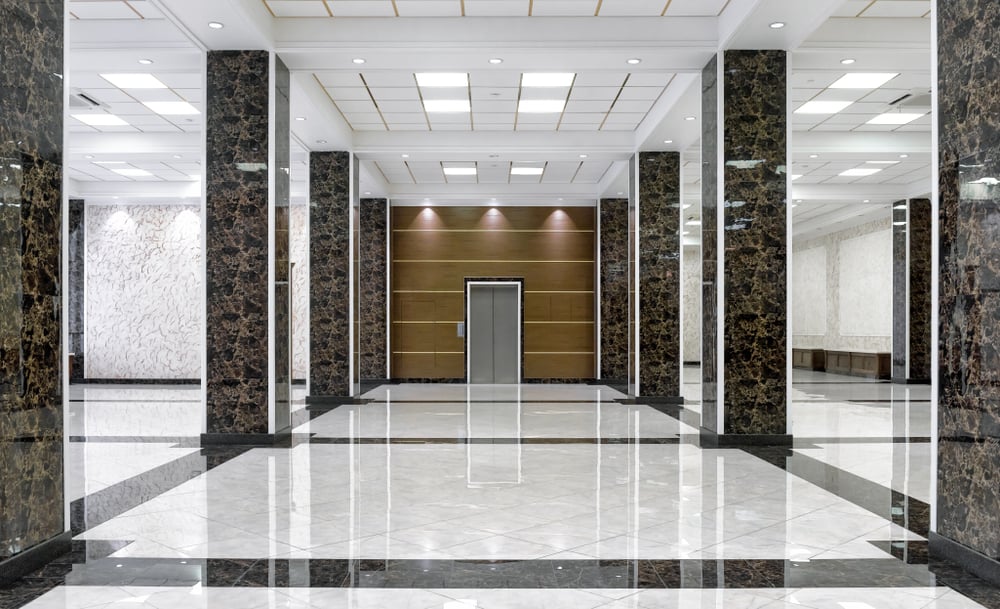
Spacious, modern building lobby with shiny marble floors enhanced by expert stone restoration NYC, dark marble columns, and bright ceiling lights. An elevator with wooden paneling is centered at the far end of the room.

Still Have Questions?

We’re here to help. Reach out to our team anytime!

Can deep scratches in soapstone countertops actually be removed?
Yes. Because soapstone is soft, scratches—even deep ones—can usually be sanded out. We start with a coarser grit sandpaper (around 100-200 grit) to remove the scratch, then move to finer grits (up to 400) to smooth the surface. After sanding, we can apply mineral oil to blend the repaired area with the rest of the countertop. The key is using the right progression and not over-sanding, which can create low spots. If a scratch is extremely deep (more than 1/32 inch), we may need to fill it with a color-matched epoxy before sanding. Most scratches you see in daily use—from knives, pots, utensils—are well within the range of what we can fix completely.
Uneven darkening usually happens when mineral oil is applied inconsistently, or when cooking oils (from fish, meat, etc.) seep into untreated areas. To fix it, we start by deep cleaning the entire surface with a degreasing agent or alkaline cleaner to strip away the oils. This brings the stone back to a more uniform, lighter baseline. From there, we can either leave it natural or apply mineral oil evenly across the entire surface to create consistent darkening. The process can take a few applications to get it right, especially if the stone has been absorbing oils unevenly for years. Once it’s balanced, we’ll show you how to maintain that consistency—whether you want to keep oiling it or let it develop a natural patina over time.
No. Soapstone is naturally non-porous, which means it doesn’t absorb liquids the way marble, granite, or limestone do. Because of that, sealing isn’t necessary—and in many cases, it doesn’t even work well because the sealer can’t penetrate the dense surface. What soapstone does benefit from is mineral oil, but that’s not a sealer. It’s a treatment that darkens the stone and brings out its color. The oil sits on the surface and in micro-fissures, creating that rich, deep look people associate with aged soapstone. But it’s optional. If you prefer the lighter, natural gray color, you can skip the oil entirely and just clean the surface with soap and water. Either way, the stone itself is already stain-resistant and doesn’t need chemical sealers to protect it.
Restoration is almost always cheaper than replacement—usually 50 to 70 percent less. Replacing soapstone countertops means removing the old ones, ordering new slabs, fabricating them to fit, and installing everything from scratch. That’s expensive, time-consuming, and disruptive. Repairing and restoring what you already have skips all of that. We’re working with the surface in place, fixing the damage, and bringing it back to life without tearing anything out. The exact cost depends on the extent of the damage—light scratches and surface dullness cost less to fix than deep gouges, chips, or severe staining. But even in cases where the damage is significant, restoration is still the more cost-effective option. Plus, you’re keeping the original stone, which often has character and patina that new slabs don’t.
Yes. Chips and cracks in soapstone can be repaired using color-matched epoxy or resin that blends with the stone’s natural color and veining. We fill the damaged area, let it cure, then sand and refinish the surface so the repair is smooth and nearly invisible. Because soapstone is softer than other stones, it’s more prone to chipping—especially on edges or corners—but that same softness makes it easier to work with during repairs. The repaired area won’t be weaker than the rest of the stone. In fact, once it’s filled and finished, it’s structurally sound and blends in visually. If the chip is along an edge, we may also slightly reshape or round the edge to prevent future chipping in the same spot.
If you’re oiling your soapstone regularly, it can take about six to eight months for the stone to reach its final, permanent dark color. Each time you apply mineral oil, the stone gets a little darker and holds the oil a bit longer. Eventually, the stone becomes saturated and stays dark on its own, even without continued oiling. If you’re not oiling it and just letting it age naturally, the darkening process takes much longer—sometimes years—and happens gradually as the stone absorbs oils from cooking, handling, and everyday use. The final color depends on the specific soapstone you have. Some slabs are naturally darker to begin with, while others start out light gray or even greenish. Either way, the aging process is part of what gives soapstone its character.

Pin It on Pinterest

Share This