
Stone Restoration in Upper West Side, NY
Your Stone Surfaces Restored to Factory-Original Condition
Hear from Our Customers
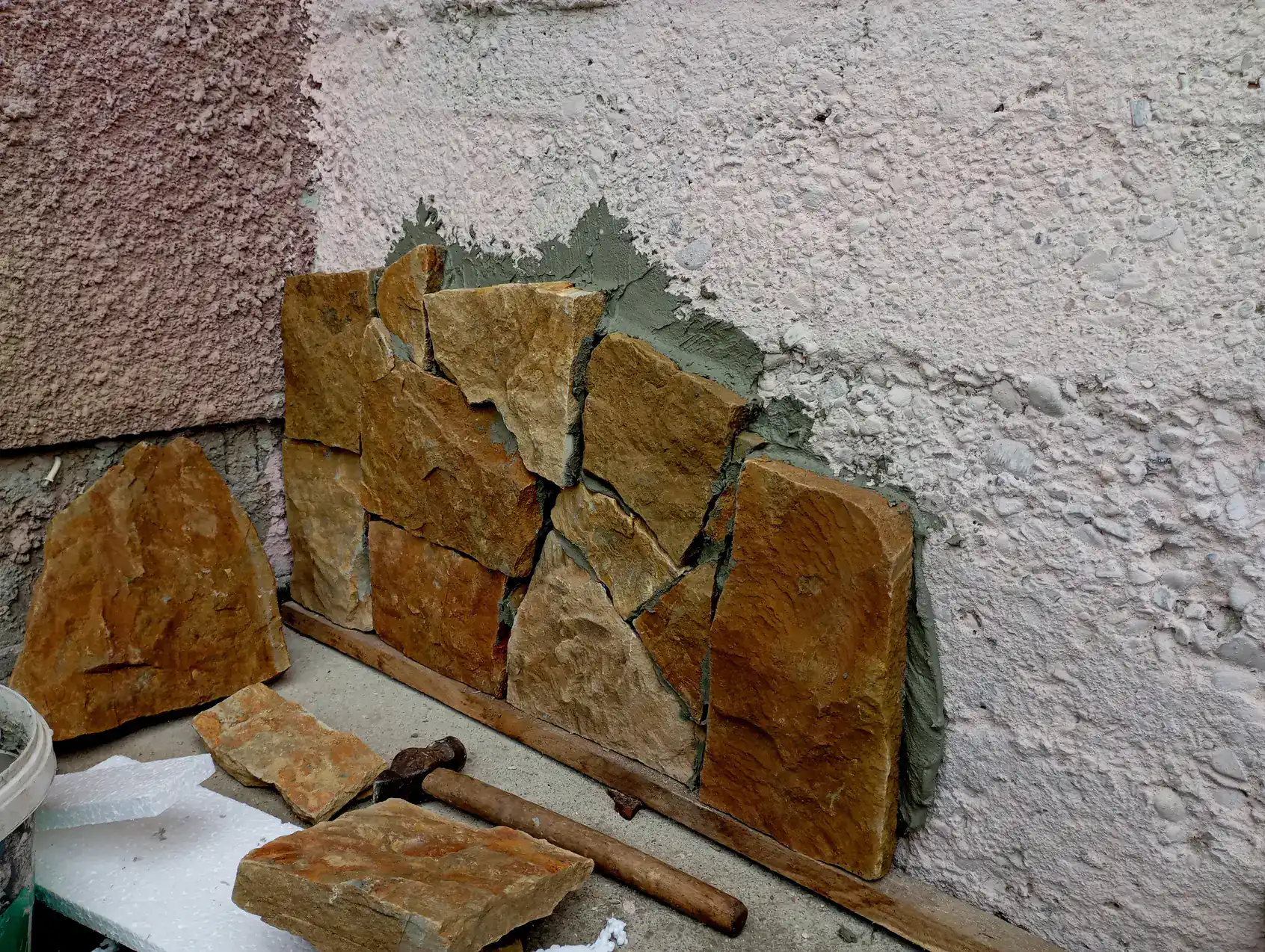
Natural Stone Restoration Upper West Side
You’re not looking at full replacement. You’re looking at whether the stone you already own can look new again and whether it’ll stay that way.
It can, and it will. Diamond abrasive grinding removes years of damage, etching, and dullness from marble, granite, limestone, and other natural stone surfaces in Upper West Side apartments and brownstones. What you get is the original factory finish smooth, even, and protected. Not a temporary shine that fades in three months.
This is stone surface restoration that addresses the actual problem: damaged stone structure. We’re not buffing over scratches or applying coatings that peel. We’re removing the damaged layer and rebuilding the surface using the same methods factories use to finish stone before it ships. That’s why it lasts. That’s why your marble floors in a Central Park West co-op can look like they did in 1925 or better.
Stone Restoration Company Upper West Side
NYC Stone Care is a family-owned stone restoration service in Upper West Side, NY, operated by a master craftsman with over 40 years of experience. We’ve worked in landmark museums, historic theatres, pre-war co-ops, and modern condos across Manhattan.
Upper West Side buildings have some of the most beautiful natural stone in the city and some of the oldest. Whether you’re in a Riverside Drive brownstone with original marble or a Columbus Avenue high-rise with limestone lobbies, we understand what these surfaces need. Not every stone restoration company in Upper West Side has worked on landmark properties where one mistake is permanent.
We’re not the cheapest option, and that’s intentional. You’re hiring experience that prevents costly errors, uses professional-grade equipment, and delivers results that hold up in high-traffic Manhattan homes.
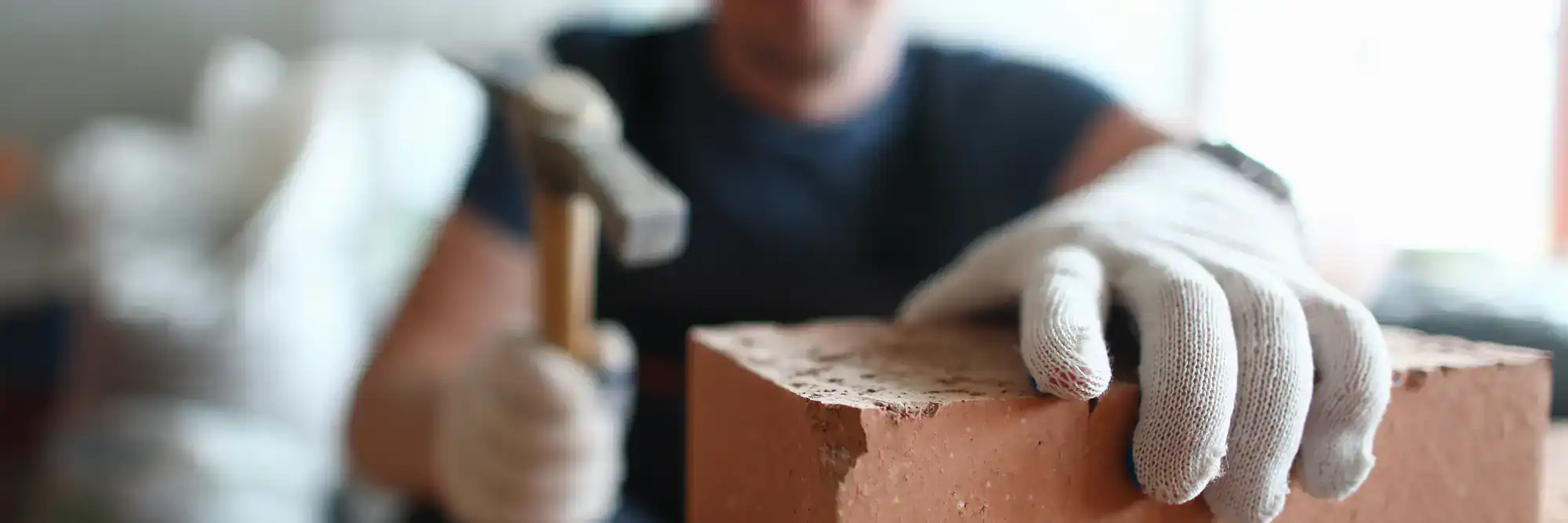
Stone Refinishing Process Upper West Side
First, we assess the stone type and damage level. Marble, granite, limestone, slate, and soapstone all require different approaches. We identify etching, scratches, stains, and structural issues before we touch the surface.
Next comes diamond abrasive grinding. This isn’t a surface-level polish it’s a controlled removal of the damaged stone layer using progressively finer diamond pads. We’re essentially resurfacing the stone to expose the undamaged material underneath. This is the same process factories use, and it’s why the results look factory-original.
After grinding, we hone and polish the stone to your preferred finish level. Some Upper West Side clients want a high-gloss shine for formal spaces. Others prefer a honed matte finish for kitchens and bathrooms where slip resistance matters. We match the finish to how you actually use the space.
Finally, we seal the stone with a penetrating sealer that protects against stains and etching without changing the appearance. You’re left with restored stone that’s protected for years, not months.
Ready to get started?
Stone Restoration Service Upper West Side
You get a full assessment of your stone’s condition and a clear explanation of what’s fixable and what’s not. We don’t oversell services you don’t need, and we don’t promise results that aren’t realistic for your stone type.
The restoration itself includes diamond grinding to remove damage, honing to smooth the surface, polishing to your specified finish level, and sealing for long-term protection. We work on floors, countertops, vanities, fireplace surrounds, and any other natural stone surface in your Upper West Side home.
Upper West Side apartments deal with specific challenges: salt damage from winter sidewalks, hard water deposits from older plumbing, etching from acidic spills in kitchens. We address these issues as part of the restoration process, not as add-ons. If your marble has white crusty buildup from hard water or dull spots from lemon juice, that’s what we’re removing.
We also handle stone repair for chips and cracks before refinishing, so the final result is seamless. And because we’re working in occupied Manhattan buildings, we coordinate timing around your schedule and building rules. Most stone floor restoration projects in Upper West Side apartments take one to three days depending on square footage.
How much does stone restoration cost compared to replacing marble floors in Upper West Side?
Stone restoration in Upper West Side typically costs 40-60% less than full replacement, sometimes more depending on the stone type and installation complexity. Replacing marble floors means demo, disposal, new material, and reinstallation. You’re paying for labor to rip out stone that’s still structurally sound, plus the cost of new stone and the skilled installation required in pre-war buildings with uneven subfloors.
Restoration skips all of that. You’re paying for the expertise and equipment to refinish what you already own. For a 200-square-foot marble foyer in an Upper West Side co-op, replacement could run $8,000-$15,000. Professional stone floor restoration for the same space typically ranges $2,000-$5,000.
The other cost people forget: downtime. Replacement takes weeks when you factor in demo, subfloor prep, installation, and curing time. Stone restoration usually wraps in one to three days. If you’re living in the space, that difference matters.
Can you restore marble that's been damaged by acidic substances or etched from years of use?
Yes. Etching is one of the most common issues we fix during marble restoration in Upper West Side homes. Etching happens when acidic substances lemon juice, vinegar, wine, certain cleaners react with the calcium carbonate in marble and limestone. It leaves dull spots or rings that won’t buff out with regular cleaning.
Diamond abrasive grinding removes the etched layer entirely. We’re not covering it up or filling it in we’re grinding past the damaged surface to expose fresh, undamaged marble underneath. Then we hone and polish that new surface to match the surrounding area. The result is uniform and permanent.
This works for surface etching. If the etching is deep or if the marble has been ground down multiple times before, there’s a limit to how much material we can remove before compromising the stone’s integrity. That’s rare, but it’s why the assessment matters. We’ll tell you upfront if your marble is a good candidate for restoration or if you’re looking at replacement.
What types of natural stone can you restore in Upper West Side apartments and brownstones?
We restore marble, granite, limestone, slate, soapstone, and terracotta. Each stone type has different hardness, porosity, and finish requirements, so the restoration process adjusts accordingly.
Marble and limestone are softer and more prone to etching and scratching, but they polish to a high shine beautifully. These are common in Upper West Side pre-war lobbies, bathrooms, and formal spaces. Granite is harder and more stain-resistant, often used for kitchen countertops. It doesn’t etch like marble, but it can still dull over time or develop scratches from improper cleaning. Slate and soapstone are less common but show up in older brownstones they require honing rather than high-polish finishes.
If you’re not sure what stone you have, we’ll identify it during the assessment. A lot of Upper West Side residents assume they have granite when it’s actually marble, or vice versa. The stone type determines the restoration approach, so getting that right matters.
How long does restored stone last before it needs refinishing again in Upper West Side homes?
Properly restored and sealed natural stone in Upper West Side homes typically lasts 5-10 years before needing another full refinishing, depending on traffic and maintenance. High-traffic areas like entryway floors or kitchen countertops will show wear faster than a bathroom vanity or fireplace surround.
The sealer we apply after stone restoration protects against stains and etching, but it’s not permanent. Sealers break down over time, especially in kitchens and bathrooms where you’re using water and cleaning products daily. Resealing every 1-2 years extends the life of the restoration significantly. That’s a simple process you can do yourself or have us handle during a maintenance visit.
What kills restored stone prematurely is harsh cleaning products. Acidic or abrasive cleaners strip the sealer and damage the surface. If you’re using the wrong products, you’ll see dullness and etching return within months. We provide specific maintenance instructions after every stone restoration service in Upper West Side to prevent that.
Do you work around building rules and co-op board requirements in Upper West Side buildings?
Yes. We’ve worked in dozens of Upper West Side co-ops and condos, so we’re familiar with building access requirements, insurance certificates, noise restrictions, and elevator reservations. Most buildings require a certificate of insurance before contractors start work we provide that as a standard part of the process.
Timing is usually the bigger coordination issue. Some buildings restrict noisy work to specific hours or days. Diamond grinding equipment isn’t silent, so we schedule stone floor restoration in Upper West Side apartments during approved hours and communicate with building management ahead of time.
If your building requires a walkthrough or approval from a board or management company, we can attend those meetings or provide documentation. The goal is to make the process as smooth as possible for you and your building. We’ve done this enough times that we know what buildings need before they ask for it.
What's the difference between stone polishing and full stone restoration in Upper West Side?
Stone polishing is surface-level maintenance. It buffs the existing finish to restore some shine, but it doesn’t remove scratches, etching, or deep stains. Polishing works if your stone is in good condition and just needs a refresh. It’s faster and less expensive than full restoration.
Full stone restoration in Upper West Side involves diamond abrasive grinding to remove the damaged surface layer, then honing and polishing to rebuild the finish from scratch. This is what you need if your marble has visible scratches, dull spots from etching, or uneven wear patterns. Polishing won’t fix those issues it’ll just make them shinier.
A lot of companies offer “marble polishing” when what you actually need is restoration. If someone quotes you for polishing without assessing the damage level first, that’s a red flag. We evaluate the stone’s condition during the initial visit and recommend polishing or full restoration based on what the stone actually needs, not what’s easier to sell.
Other Services we provide in Upper West Side