
Stone Restoration in West Harlem, NY
Your Stone Looks Damaged It's Not Beyond Repair
Hear from Our Customers
Natural Stone Restoration in West Harlem, NY
Your stone looks dull, etched, or stained. You’ve tried cleaners that didn’t work. Maybe you’re wondering if replacement is the only option.
It’s not. Stone floor restoration in West Harlem, NY brings back the original finish the one the factory put on before installation. That means no dull spots from lemon juice. No water rings around the faucet. No salt stains tracked in from winter sidewalks.
You get a surface that looks new again. More importantly, you avoid spending thousands on replacement and weeks of construction dust. Restoration takes a fraction of the time and cost, and when it’s done right, the results are identical to new stone.
Most people don’t realize how much can be fixed. Etching, scratches, stains, even chips these aren’t permanent. They’re surface-level problems that respond to the right process. You’re not stuck with damaged stone. You just need someone who knows how to reverse it.
Stone Restoration Company in West Harlem, NY
NYC Stone Care is a family-owned stone restoration service in West Harlem, NY, run by a master craftsman with over 40 years of hands-on experience. We’ve worked in this neighborhood for nearly 15 years, restoring stone in brownstones, townhouses, and commercial buildings.
West Harlem has a lot of historic stone. The brownstones here weren’t built yesterday, and the marble, limestone, and granite inside them need people who understand how these materials age and how to bring them back. We’ve seen every type of damage this climate causes winter salt, hard water buildup, acidic spills, heavy foot traffic.
We’re not the cheapest option. We’re the one that doesn’t leave until the job is done right. That’s not a tagline it’s how we operate. If you’re not satisfied when we’re finished, we keep working.
Stone Refinishing Process in West Harlem, NY
First, we assess the damage. Not every stone needs the same treatment. Etching requires different work than staining. Scratches need a different approach than dullness. We figure out what’s actually wrong before we start grinding.
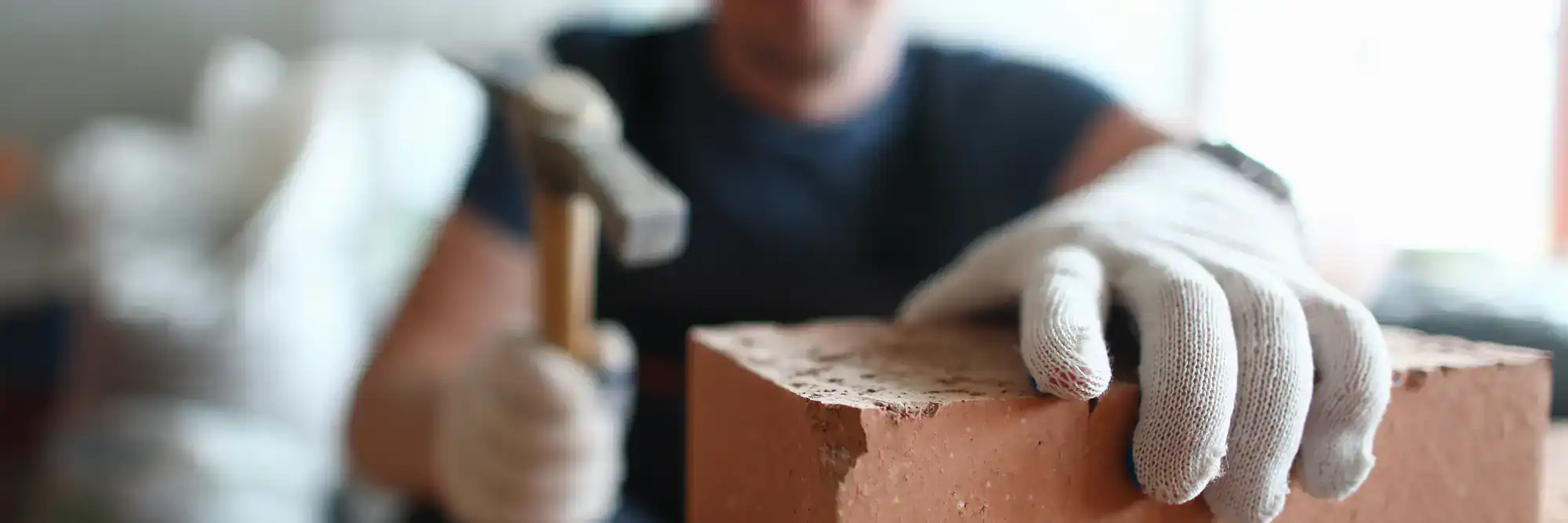
Then we use diamond abrasive grinding to remove the damaged layer. This isn’t a topical fix we’re taking off the compromised surface and exposing fresh stone underneath. The process is methodical. We work through progressively finer abrasives until the stone is smooth and even.
After grinding, we hone or polish depending on the original finish. Honed stone gets a matte surface. Polished stone gets a reflective one. We’re reproducing the factory finish, not guessing at what looks good.
Finally, we seal the stone if it needs it. Not all stone should be sealed, but most benefit from a penetrating sealer that protects against stains without changing the appearance. You’re left with stone that looks like it did the day it was installed and it’s protected going forward.
The whole process usually takes a day or two depending on square footage. You’re not dealing with weeks of construction or replacing subfloors. It’s faster, cleaner, and a lot less expensive than starting over.
Ready to get started?
Stone Surface Restoration in West Harlem, NY
We handle marble, granite, limestone, slate, soapstone, and terracotta. If it’s natural stone, we’ve worked on it. That includes floors, countertops, vanities, showers, walls, and fireplace surrounds.
The most common issue we see in West Harlem, NY is etching from acidic liquids lemon juice, vinegar, wine, even some cleaners. These eat into the stone and leave dull spots that won’t buff out with regular cleaning. We remove the etched layer and restore the polish.
Hard water is another big one. New York water leaves crusty white deposits that build up around faucets and in showers. These don’t wipe off. They need to be ground out and the surface refinished.
Winter does a number on stone floors. Salt tracked in from sidewalks, moisture from boots, grit from the street it all adds up. We see a lot of marble floors that look worn and scratched by spring. Stone floor restoration in West Harlem, NY reverses that wear and brings back the shine.
Stains are trickier but usually fixable. Oil-based stains, rust, organic stains from leaves or food each one requires a different removal method. We’ve been doing this long enough to know what works and what doesn’t. If a stain can be removed, we’ll get it out.
You also get a 100% satisfaction guarantee. We don’t leave until you’re happy with the result. That’s not marketing language it’s how we’ve operated for nearly two decades.
How much does stone restoration cost compared to replacing the stone?
Restoration typically costs 30-50% of what replacement would run you. Replacement means demo, disposal, new material, new installation, and often subfloor work. You’re looking at weeks of disruption and several thousand dollars minimum.
Restoration skips all of that. We work with the stone that’s already there. No demolition. No construction mess. No waiting for new slabs to arrive. The work usually takes one to two days depending on square footage, and the cost reflects labor and materials not a full rebuild.
The bigger savings show up later. Restored stone lasts just as long as new stone because it is the original stone just refinished. You’re not replacing an inferior product. You’re fixing a high-quality material that’s built to last decades. That’s why restoration makes sense for most damage that isn’t structural.
Can you really remove etching from marble, or does it need to be replaced?
Etching is fixable. It looks permanent because it’s a chemical reaction the acid dissolves the calcium carbonate in the marble and leaves a dull spot. But that damage is only surface-level, usually a few millimeters deep at most.
We use diamond abrasive grinding to remove the etched layer. Once that’s gone, we’re working with undamaged stone. Then we hone and polish it back to the original finish. The etching disappears completely because we’ve taken off the damaged surface.
The key is doing it right. If you try to buff out etching with a random polishing compound, you’ll just make it worse. The process requires the right abrasives in the right sequence, and it requires experience knowing how much material to remove. That’s where the 40+ years of doing this comes in. We’ve seen every type of etching, and we know how to reverse it without creating new problems.
How long does restored stone last before it needs to be done again?
If the stone is properly sealed and maintained, restoration can last 10-15 years or longer. It’s not a temporary fix. You’re not covering up damage you’re removing it and exposing fresh stone that’s just as durable as it was originally.
How long it lasts depends on use and care. A marble countertop that gets hit with lemon juice weekly will etch again eventually. A limestone floor in a high-traffic entryway will show wear faster than one in a bedroom. But with reasonable care using the right cleaners, wiping up spills, putting mats at entryways you’re looking at years before you need another restoration.
Sealing helps a lot. A good penetrating sealer gives you time to clean up spills before they stain. It doesn’t make the stone invincible, but it makes it much more forgiving. We apply commercial-grade sealers that last longer than the stuff you buy at a hardware store. Resealing every few years extends the life of the restoration significantly.
What's the difference between honing and polishing, and which one do I need?
Honing gives you a matte finish. Polishing gives you a glossy, reflective finish. The difference is how fine we take the abrasives during restoration. Both are durable it’s a matter of what the stone originally had and what you prefer.
Polished marble is what most people picture shiny, mirror-like. It shows scratches and etching more easily because the surface is so smooth that any imperfection stands out. But it’s also easier to clean and looks more formal. Honed marble has a softer, more natural look. It hides minor wear better, but it can stain more easily if it’s not sealed.
We match the original finish unless you want something different. If your marble came polished, we’ll polish it. If it was honed, we’ll hone it. Some people switch finishes during restoration going from polished to honed for a less formal look, or vice versa. Both options are on the table. We just need to know what you’re after before we start the final passes with the abrasives.
Does stone restoration work on all types of natural stone?
It works on marble, granite, limestone, travertine, slate, soapstone, and terracotta. Each stone responds a little differently because of its composition, but the process is fundamentally the same remove the damaged surface, refinish to the original spec, seal if needed.
Marble and limestone are calcium-based, so they etch easily but polish beautifully. Granite is much harder and doesn’t etch, but it can still get dull or scratched over time. Slate and soapstone are softer and more porous, so they need different sealing approaches. Travertine has natural pits that can trap dirt, so cleaning and sealing are especially important.
We’ve worked on all of these for over 40 years. The techniques vary depending on hardness, porosity, and the type of damage, but the outcome is the same stone that looks like it did when it was first installed. If you’re not sure what type of stone you have, we can identify it during the assessment. Some stones are mislabeled or people assume it’s marble when it’s actually limestone. Knowing what you’re working with matters because the wrong approach can make things worse.
Will stone restoration fix chips or cracks, or just surface damage?
We can repair chips and small cracks. Larger structural cracks usually mean the stone needs to be replaced, but most damage people see isn’t structural it’s cosmetic and fixable.
For chips, we fill them with a color-matched epoxy or resin, then grind and polish the area so the repair blends in. You won’t get a perfectly invisible fix on every chip, especially if it’s in a high-visibility spot with dramatic veining, but the repair is solid and far less noticeable than leaving it alone.
Cracks depend on what caused them. Hairline cracks from settling or minor impact can be filled and stabilized. Cracks that run through the entire slab or are caused by structural movement underneath those are bigger problems. We’ll tell you honestly if a crack is fixable or if the stone needs to be replaced. There’s no point doing a repair that won’t hold. Most of the time, though, chips and small cracks are well within the scope of what stone restoration in West Harlem, NY can handle.
Other Services we provide in West Harlem