
Marble Polishing in Ditmas Park, NY
Your Marble Deserves Better Than DIY Fixes
Hear from Our Customers
Stone Polishing Service Ditmas Park
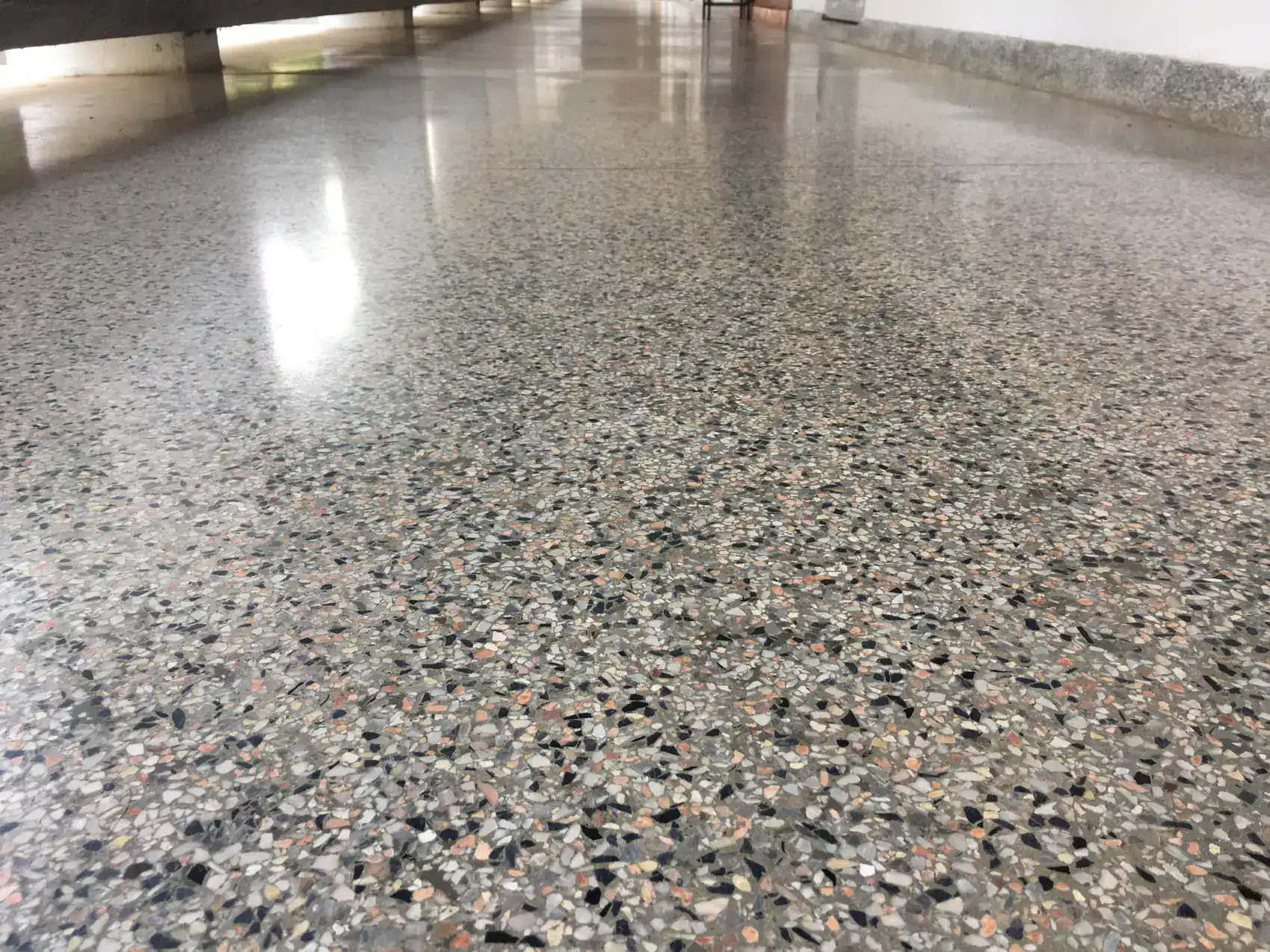
Your marble doesn’t just look better after professional polishing. It performs better. The shine you’re missing isn’t cosmetic it’s structural. When marble loses its luster, it’s because scratches have damaged the natural crystals in the stone. That damage lets moisture in, accelerates staining, and shortens the life of your floors or countertops.
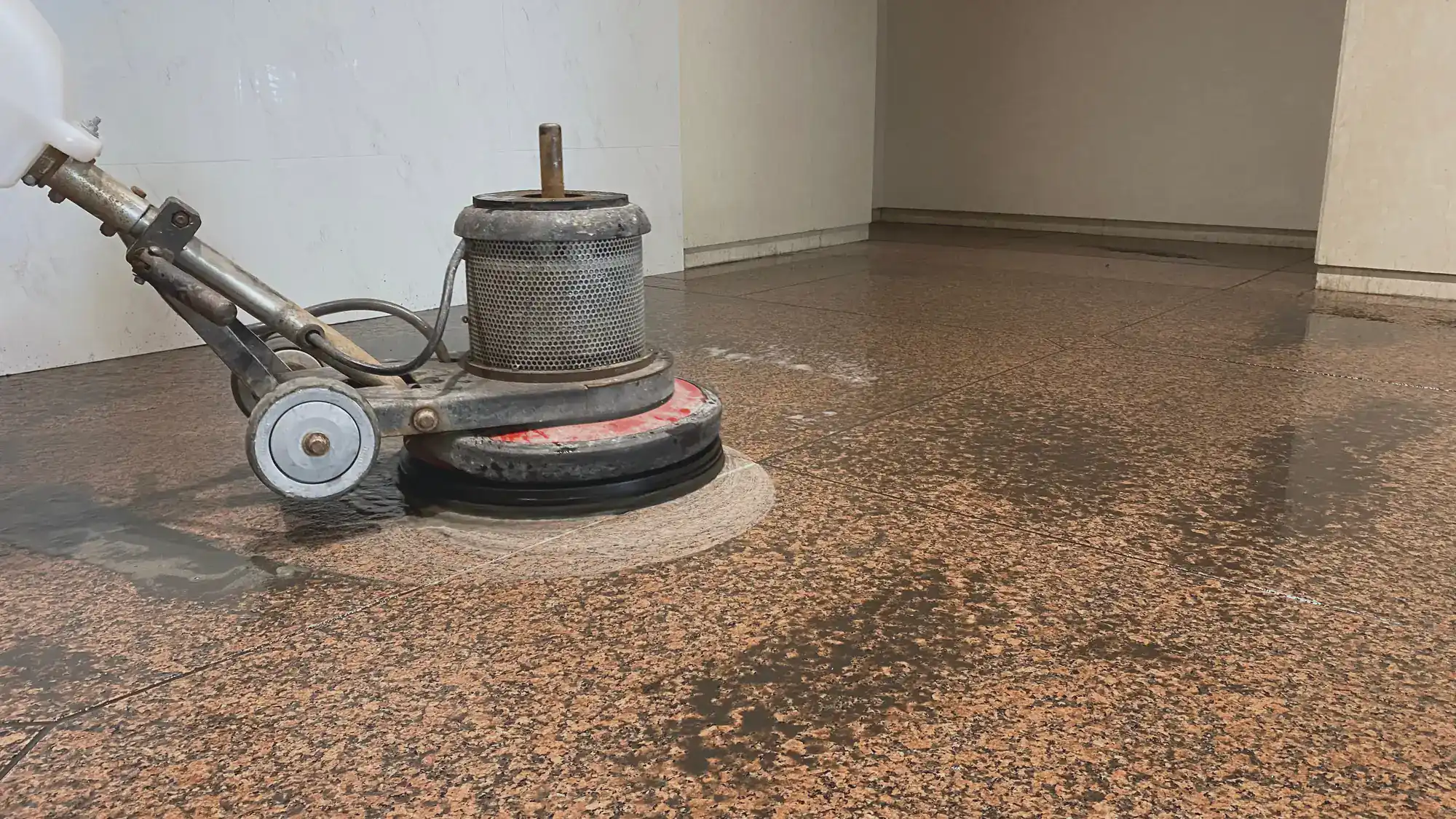
Professional marble surface polishing in Ditmas Park removes those damaged layers using diamond abrasive technology. This isn’t buffing or applying a topical shine that wears off in weeks. It’s grinding down to fresh stone, then polishing it to the reflective finish marble had when it was first installed.
You get floors that repel stains instead of absorbing them. Surfaces that stay cleaner between maintenance. And marble that holds its value instead of becoming a restoration project you keep putting off. Most Victorian homes in Ditmas Park have original marble that’s over a century old it doesn’t need replacement, it needs proper care.
Marble Floor Polishing Near You
We’ve spent over 40 years working on natural stone throughout New York City and the tri-state area. We’ve restored more than one million square feet of marble including landmark museums and historic theaters that can’t afford mistakes.
Ditmas Park’s Victorian homes present specific challenges. Uneven settling creates lippage where tiles meet. Original installations often used materials that react poorly to modern cleaning products. And the porch-and-garden lifestyle here means more dirt, moisture, and seasonal wear than typical NYC apartments see.
We’ve handled it all. Our team uses wet-sanding processes that eliminate dust, keep stone cool during grinding, and let diamond pads remove years of damage without creating new problems. You’re not getting a crew that learned marble polishing from YouTube you’re getting master craftsmen who’ve spent decades perfecting techniques most companies don’t even know exist.
Marble Polishing and Sealing Process
First, we assess the damage. Not all marble needs the same approach. Etching from acidic spills requires different treatment than scratches from grit. We identify what’s causing the dullness so we’re fixing the actual problem, not just treating symptoms.
Next comes grinding. We use progressively finer diamond abrasives to remove damaged stone and level uneven surfaces. This is where lippage gets corrected and deep scratches disappear. The process is wet, so there’s no dust coating your furniture or getting into your HVAC system.
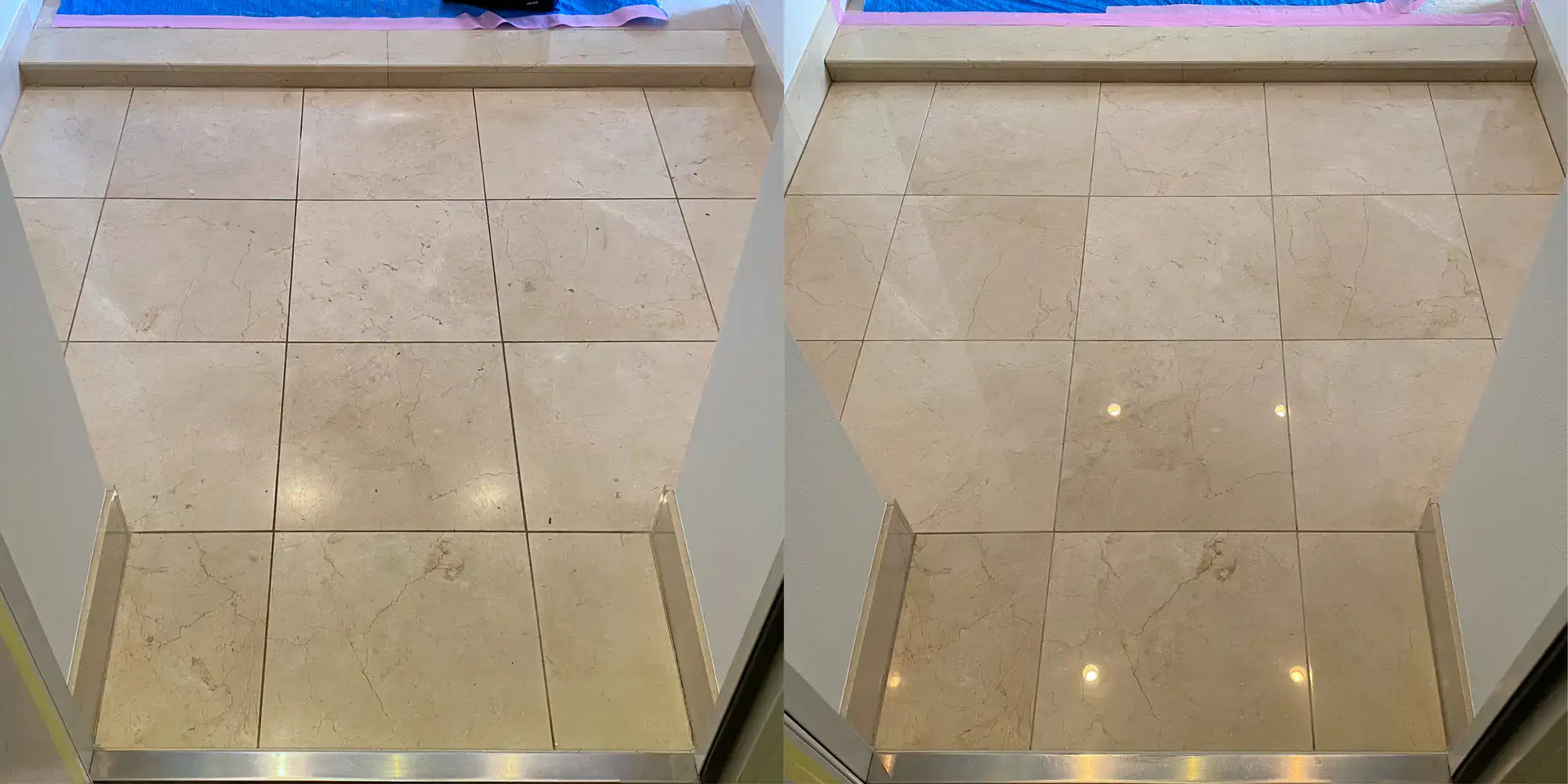
Then we polish. Multiple passes with increasingly fine diamond pads bring out the natural shine in the stone. This isn’t a coating it’s the actual marble reflecting light the way it’s supposed to. The result is a mirror-like finish that’s as durable as the stone itself.
Finally, we seal. Marble is porous, especially after polishing opens up the surface. Professional-grade sealers fill those pores and create a barrier against stains, moisture, and everyday wear. We don’t charge extra for crack filling or grout touch-ups during this step that’s included in every marble polishing and sealing job in Ditmas Park.
Ready to get started?
Stone Polishing Near You Ditmas Park
You’re getting complete restoration, not just surface buffing. That means repairing chips and cracks before polishing starts. It means addressing grout that’s turned black from moisture and dirt. And it means fixing installation problems like lippage that make floors look uneven no matter how much you clean them.
Ditmas Park homes often have marble in entryways, kitchens, and bathrooms all high-traffic or high-moisture areas that take serious abuse. Porches and mudrooms track in salt, sand, and organic debris that etches marble faster than most homeowners realize. We account for that in how we seal and protect your stone.
The service also includes education. Most marble damage happens because homeowners don’t know what products are safe to use. We’ll tell you exactly what to clean with, how often to maintain it, and when to schedule professional maintenance. Marble typically needs resealing every 6-18 months depending on use, and we’ll give you a realistic timeline based on your specific situation.
You’re also getting accountability. We don’t leave until you’re satisfied with the results. If something doesn’t look right, we fix it before we pack up. That’s not a marketing line it’s how we’ve operated for over 15 years serving residential and commercial clients throughout Brooklyn and the five boroughs.

How long does professional marble polishing take in a typical Ditmas Park home?
Most residential marble floor polishing jobs in Ditmas Park take one to three days depending on square footage and condition. A standard entryway or bathroom might be done in a day. Larger kitchen floors or multiple rooms usually need two days. Heavily damaged marble requiring extensive grinding and repair work can stretch to three days.
The timeline depends on how much material we need to remove. Light scratches and dullness polish out quickly. Deep etching, stains that have penetrated below the surface, or uneven floors with significant lippage take longer because we’re removing more stone to get down to clean material.
We work efficiently, but we don’t rush. Marble polishing is a process where each step has to be completed properly before moving to the next. Skipping grits or not letting sealer cure correctly means you’ll be calling someone back in six months to fix problems that shouldn’t exist. We’d rather take the time to do it right than leave you with a floor that looks good for a few weeks and then fails.
Can you remove stains from marble, or does it need to be replaced?
Most stains can be removed without replacing the marble. The key is understanding whether the stain is on the surface or has penetrated into the stone. Surface stains come out during the grinding and polishing process. Deeper stains often require poulticing a process where we apply a specialized paste that draws the stain out of the stone over 24-48 hours.
Common stains in Ditmas Park homes include rust from metal furniture on porches, organic staining from leaves and plant material near entryways, and etching from acidic foods and drinks in kitchens. All of these are treatable. Even marble that looks ruined completely dull, covered in water spots, or discolored from years of wrong cleaning products usually comes back to life once we remove the damaged top layer.
Replacement only makes sense if the marble is structurally compromised cracked all the way through, crumbling, or so thin from previous bad restoration attempts that there’s not enough material left to work with. That’s rare. Most Victorian-era marble in Ditmas Park is thick enough to handle multiple professional restorations over its lifetime. We’ve brought back marble that homeowners were ready to rip out, and it ended up looking better than the day it was installed.
What's the difference between polishing and honing for marble surfaces?
Polishing creates a high-gloss, reflective finish. Honing produces a matte or satin finish with no shine. Both processes use diamond abrasives to smooth the stone, but polishing takes it several steps further with finer grits to create that mirror-like surface.
The choice depends on where the marble is and how you use the space. Polished marble shows scratches more easily but looks more formal and elegant it’s what most people picture when they think of marble floors in historic homes. Honed marble hides wear better and provides more slip resistance, which makes it practical for bathrooms and outdoor areas where water is common.
Many Ditmas Park homeowners choose polished finishes for entryways and formal spaces, then opt for honed finishes in kitchens and bathrooms where function matters more than formality. There’s no wrong answer it’s about matching the finish to how you actually live in your home. We can also do combination finishes in the same space, like honed marble with polished borders, if you want the best of both approaches. The important thing is that both finishes require the same level of professional skill to execute correctly.
How do I know if my marble needs polishing or full restoration?
If your marble has lost its shine but the surface feels relatively smooth, polishing is usually enough. If you can feel scratches when you run your hand across it, see uneven areas where tiles meet, or notice chips and cracks, you’re looking at full restoration that includes grinding before polishing.
Water testing tells you a lot. Pour a small amount of water on the marble. If it beads up, your sealer is still working and you might just need polishing. If it soaks in and darkens the stone within a few minutes, the sealer is gone and you need polishing plus resealing. If the water sits on top but the marble looks terrible anyway, you’ve got surface damage that needs grinding to remove.
Ditmas Park’s older homes often have marble that’s been neglected for years or cleaned with the wrong products. That usually means full restoration. The good news is that once we bring it back, maintaining it is straightforward. Regular professional maintenance every 12-18 months keeps marble in the “polishing only” category instead of letting it deteriorate to the point where grinding becomes necessary again. An honest assessment during the first visit will tell you exactly where your marble stands and what it needs.
Is professional marble polishing worth the cost compared to DIY methods?
DIY marble polishing usually creates more problems than it solves. The equipment available to homeowners doesn’t have the power or precision to properly grind and polish natural stone. Most DIY products are either too aggressive and damage the marble, or too weak and just create a temporary shine that disappears in weeks.
The bigger risk is using the wrong compounds. Many products marketed for marble polishing contain acidic ingredients that etch the stone while claiming to restore it. We’ve restored countless Ditmas Park marble floors that were in decent shape until the homeowner tried to fix them with store-bought solutions. What would have been a straightforward polishing job becomes full restoration because the DIY attempt added etching and discoloration to the existing problems.
Professional marble floor polishing in Ditmas Park typically costs a fraction of what replacement would run, and it’s permanent when done correctly. You’re looking at results that last years, not weeks. The equipment we use industrial diamond grinders, specialized polishing pads, professional-grade sealers isn’t available at hardware stores, and the technique takes years to master. This isn’t painting a wall. It’s precision work on expensive natural stone in a historic home. The cost of doing it right the first time is always less than the cost of fixing a failed DIY attempt and then doing the professional restoration you should have started with.
How often does marble need professional maintenance in Ditmas Park's climate?
Plan on professional resealing every 6-18 months depending on traffic and exposure. Marble in high-use areas like kitchen floors or entryways near the street tends toward the 6-12 month range. Marble in bathrooms or less-trafficked spaces can often go 12-18 months between services.
Ditmas Park’s seasonal weather affects marble more than most homeowners realize. Winter salt tracked in from sidewalks is highly corrosive. Spring and fall moisture from all the gardens and tree cover creates conditions where mold and mildew can develop in grout lines. Summer humidity can cause issues with improperly sealed stone. All of this accelerates wear compared to marble in climate-controlled Manhattan apartments.
You’ll know it’s time for maintenance when water stops beading on the surface, when the shine starts looking dull in traffic patterns, or when you notice staining that didn’t used to happen. Don’t wait until the marble looks terrible by that point, you’re into restoration territory instead of simple maintenance. Regular professional care keeps marble in the maintenance category, which is faster, less expensive, and less disruptive than letting it deteriorate to where grinding and full restoration become necessary. Think of it like changing your car’s oil skip it long enough and you’re replacing the engine instead of just maintaining it.
Other Services we provide in Ditmas Park