
Stone Repair in Cobble Hill, NY
Historic Stone Restored to Original Condition
Hear from Our Customers
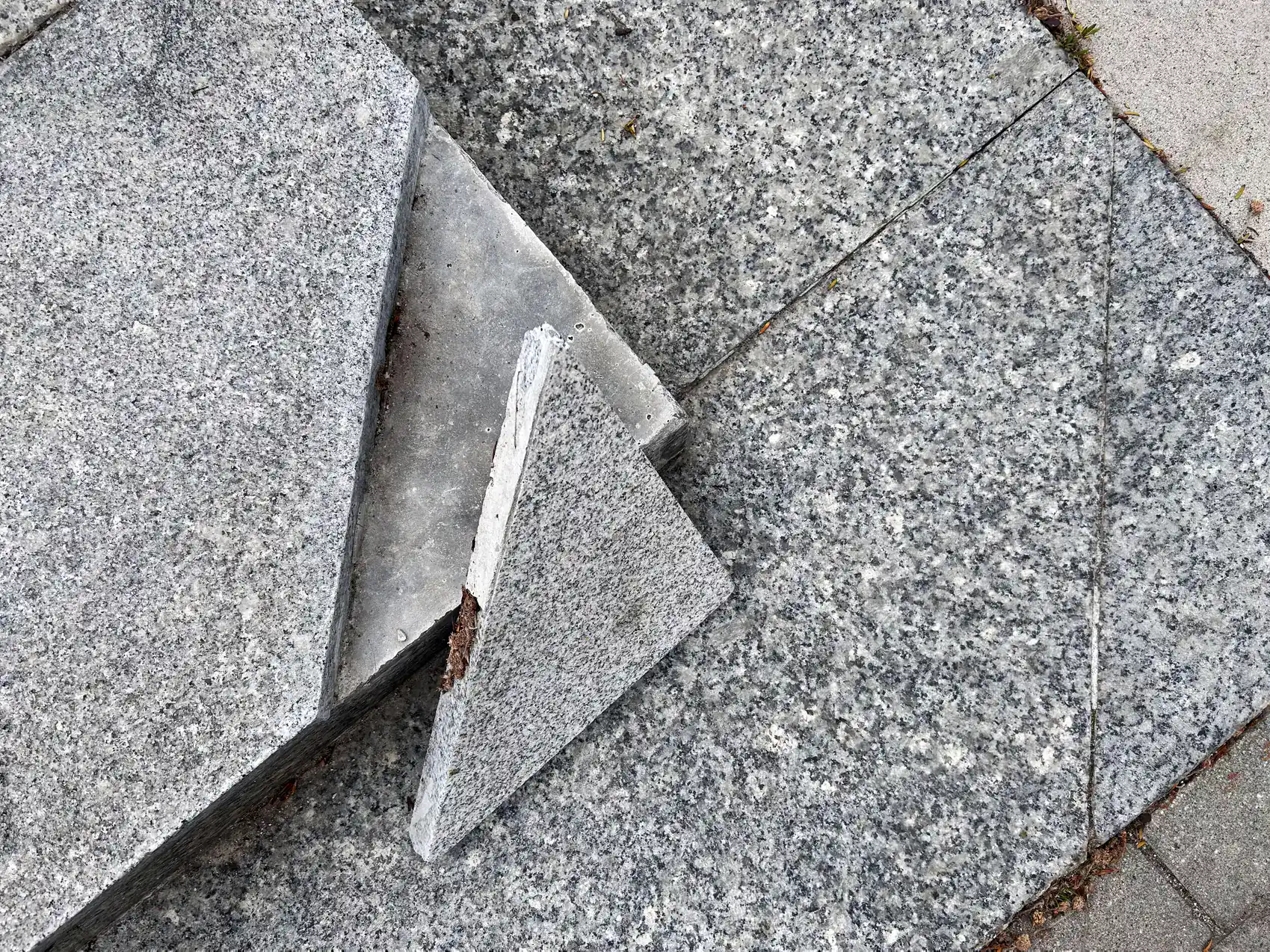
Natural Stone Repair Service Cobble Hill
You’re looking at cracks in your marble entryway. Or chips in your limestone facade. Maybe spalling on your brownstone steps that’s getting worse every winter.
Here’s what matters: the right stone repair in Cobble Hill, NY stops water from getting behind the surface. It prevents small damage from becoming structural problems. And it keeps your home looking like it belongs in this neighborhood not like it’s been patched with mismatched materials and shortcuts.
When stone floor repair near you is done correctly, you can’t tell where the damage was. The color matches. The finish matches. The repair holds up through freeze-thaw cycles, foot traffic, and everything else Brooklyn throws at it. That’s the difference between restoration and just filling holes.
Stone Damage Repair Experts Cobble Hill
We’ve spent over 40 years working on the exact type of properties you own in Cobble Hill, NY. Brownstones with Greek Revival details. Italianate row houses with limestone trim. Buildings where the Landmarks Preservation Commission actually reviews your repair work.
We’re a family-owned company, not a franchise. The same master craftsman who evaluates your stone damage is connected to the team doing the work. That matters when you’re dealing with historic materials that require lime-based mortars, period-appropriate techniques, and repairs that won’t get flagged during a facade inspection.
Most of our work in Cobble Hill comes from referrals. Homeowners who’ve seen our repairs on their neighbor’s stoop, or who asked their contractor who actually knows how to fix stone the right way.
Stone Crack Repair Process Cobble Hill
First, we assess what’s actually damaged and why. A crack in marble happens for different reasons than spalling on brownstone. The repair approach changes based on the stone type, the location, and what’s causing the problem.
Then we prep the area. That means removing failed material, cleaning out cracks properly, and making sure the substrate is sound. Shortcuts here are why you see repairs that fail in a year.
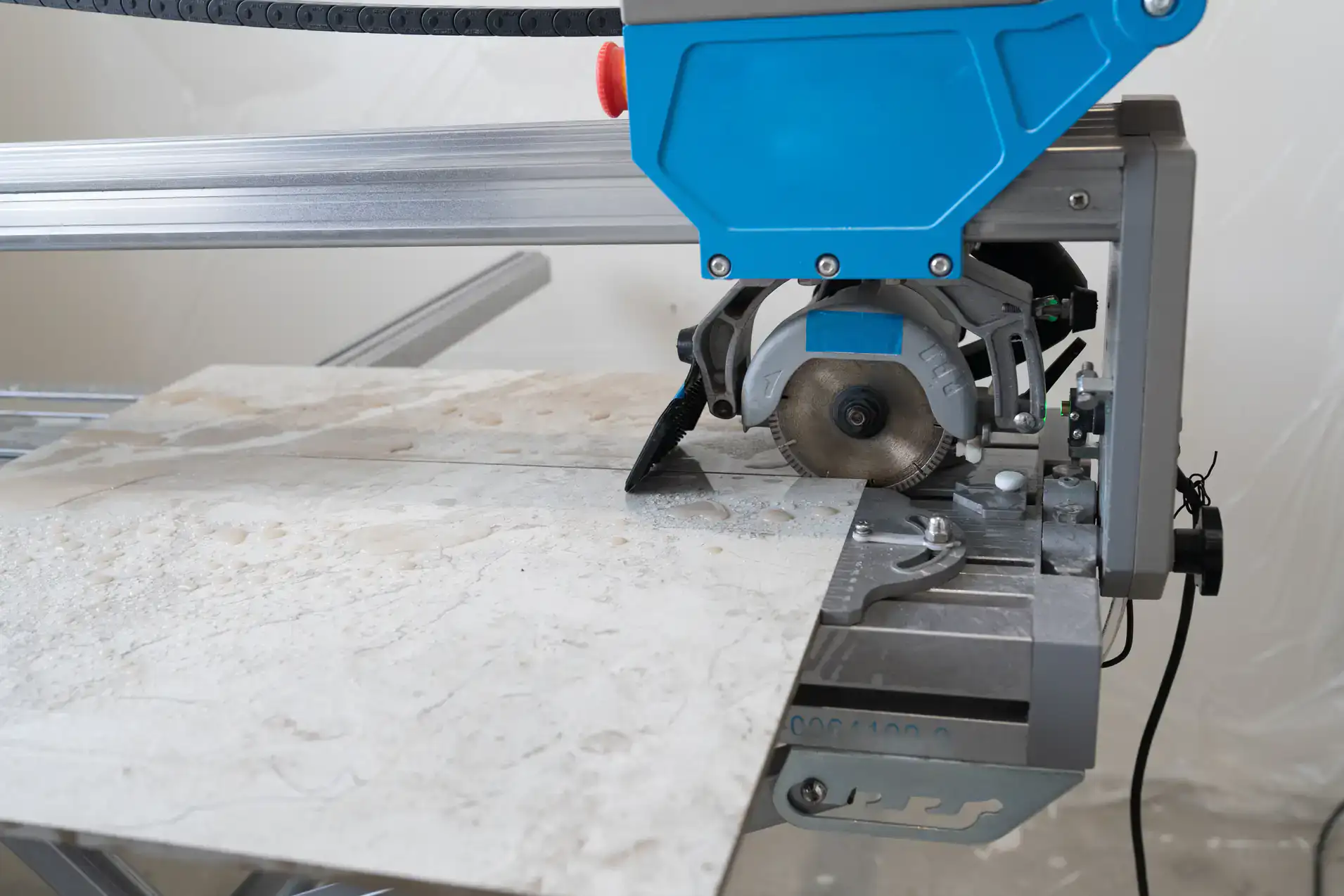
The actual stone repair in Cobble Hill, NY uses materials matched to your specific stone. For natural stone repair service work, we’re matching color, veining, and texture using UV-cured formulas that bond permanently. For mortar repairs, we’re using lime-based mixes that match the original not modern cement that’s too hard and causes more damage.
Finally, we restore the finish. If it’s a polished marble floor, we’re grinding and polishing to match the surrounding surface. If it’s honed limestone, same thing. The goal is invisible repairs that perform like original material.
Ready to get started?
Stone Chip Repair Services Cobble Hill
Stone floor repair near you covers more than just filling cracks. You’re getting damage assessment, proper surface prep, color-matched repair materials, and finish restoration that makes the repair invisible.
For Cobble Hill properties, that often means working within historic district guidelines. We know what the LPC requires. We know which materials are approved for landmark buildings. And we know how to document the work if you need it for permits or facade inspection compliance.
The stone crack repair near you also addresses what caused the damage in the first place. If it’s failing mortar letting water in, we’re repointing with the right materials. If it’s settlement cracks, we’re stabilizing before we repair. If it’s surface damage from wear, we’re restoring the protective finish.
You’re not just getting a patch job. You’re getting stone damage repair that lasts, maintains your property value in one of Brooklyn’s most expensive neighborhoods, and keeps your home looking the way it should.
How much does stone repair cost in Cobble Hill for typical brownstone damage?
Cost depends entirely on what’s damaged and how extensive the repair is. A small chip in a marble threshold might run a few hundred dollars. Repointing an entire brownstone facade with historic lime mortar and repairing spalled stone is obviously more.
Here’s what affects the price: stone type, damage extent, accessibility, and whether it’s a landmark building requiring special materials or LPC approval. Marble and limestone repairs using color-matched UV-cured materials cost more than basic mortar work, but they’re also invisible and permanent.
Most Cobble Hill homeowners spend between $800 and $3,500 for typical stone repair projects things like fixing cracked steps, repairing facade damage, or restoring damaged stone floors. Larger projects like full stoop restoration or extensive facade work run higher. We give you an exact price after seeing the actual damage, not estimates based on square footage alone.
Can you repair stone without replacing it, or do I need new stone installed?
Most stone damage can be repaired without replacement. We’re talking about cracks, chips, spalling, surface damage the common issues you see on Cobble Hill brownstones and historic homes.
Modern repair materials bond permanently to stone and can be color-matched so precisely you can’t see where the damage was. We use UV-cured formulas for natural stone repair service work that are actually stronger than the surrounding stone. For mortar repairs and spalling, we’re rebuilding the damaged areas with materials that match the original composition and appearance.
Replacement only makes sense when stone is structurally compromised beyond repair, or when the cost of repairing severely damaged stone exceeds replacement cost. That’s rare. Even stone that looks pretty far gone can usually be restored. We’ll tell you honestly which approach makes sense for your specific situation repair almost always costs less and maintains the historic integrity of your property.
Will stone repairs on my landmark building meet LPC requirements?
Yes, if they’re done correctly with appropriate materials. The Landmarks Preservation Commission cares about using historically accurate methods and materials that match the original construction.
For Cobble Hill properties in the historic district, that typically means lime-based mortars for repointing work, not modern cement. It means matching the original stone color and texture for repairs. And it means techniques that preserve the building’s historic character rather than altering it.
We’ve worked on landmark buildings throughout Cobble Hill and Brooklyn for over 40 years. We know what the LPC requires, which materials are approved, and how to document the work if you need permits. Most stone repair work doesn’t require LPC approval unless you’re doing major facade work or the building is individually landmarked, but when approval is needed, we handle projects that meet their standards. The key is using someone who understands historic restoration requirements, not just general stone repair.
How long does stone repair last on exterior surfaces exposed to weather?
Properly executed stone repair in Cobble Hill, NY should last decades. We’re seeing repairs we did 20+ years ago that still look good and perform well.
Longevity depends on using the right materials and techniques. UV-cured repair materials bond permanently they don’t separate or fail like epoxies or polyester fillers. Lime-based mortar for repointing is softer than the stone, so it sacrifices itself during freeze-thaw cycles instead of causing more stone damage. That’s how historic buildings were originally constructed, and it’s why they’ve lasted 150+ years.
The repairs that fail quickly are the ones done with wrong materials hard cement mortar that traps water and causes spalling, or cheap fillers that shrink and crack. Weather exposure isn’t the problem. Poor materials and shortcuts are the problem. When stone surface repair is done right with appropriate materials, Brooklyn weather isn’t going to undo it. You’ll see the same performance as the original stone.
What types of stone can you repair on Cobble Hill properties?
We repair all the stone types you’ll find on historic Cobble Hill properties: brownstone, limestone, marble, granite, slate, terracotta, and soapstone.
Each stone requires different repair approaches. Brownstone is soft and porous it needs gentle cleaning and lime-based repair materials. Limestone is harder but still vulnerable to acid rain and spalling. Marble can crack and stain, requiring color-matched fills and careful polishing. Granite is extremely hard and needs diamond abrasive techniques for surface repairs.
The stone chip repair process changes based on what we’re working with. For natural stone floors inside your home, we’re often dealing with marble or limestone that needs invisible repairs and finish restoration. For exterior facade work, it’s usually brownstone or limestone with weather damage and mortar failure. We handle all of it the same team has experience across every stone type common to this neighborhood. That matters because using the wrong technique or material on the wrong stone type causes more damage.
Do you handle emergency stone repairs for water damage or safety issues?
Yes. When you’ve got failing stone that’s letting water into your building, or loose stone that’s a safety hazard, that needs immediate attention.
Water infiltration from crumbling mortar is the number one cause of interior damage in brownstones. It starts as a small leak and becomes a major problem fast damaged plaster, ruined finishes, even structural issues if it’s not addressed. Emergency stone crack repair stops water from getting in and prevents the damage from spreading.
Safety issues like loose facade stone or unstable steps also can’t wait. If you’re facing a DOB violation from a facade inspection, or you’ve got stone that’s obviously failing, we can prioritize that work. The goal is stabilizing the immediate problem, stopping further damage, and then scheduling the complete repair properly.
For emergency stone damage repair in Cobble Hill, NY, we assess what needs to happen right now versus what can be scheduled as part of a larger restoration project. Sometimes temporary stabilization is the right move until weather permits proper repair. We’ll tell you what makes sense for your specific situation.
Other Services we provide in Cobble Hill