Serving NYC & Long Island
info@nycstonecare.com
24/7 Availability
Hear from Our Customers
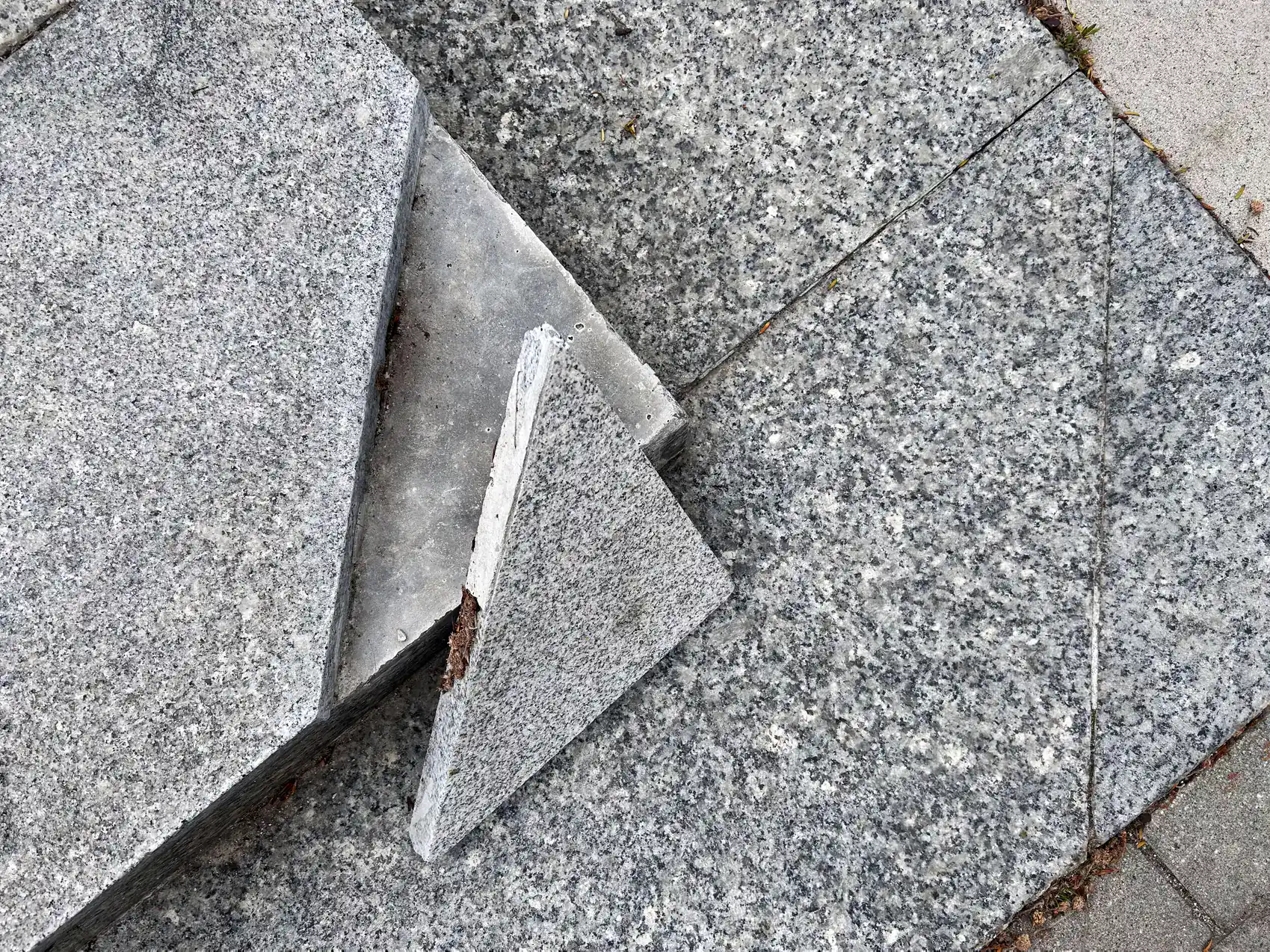
That crack in your marble countertop doesn’t mean you need to gut your kitchen. The chip near your sink doesn’t require a full replacement. You’re looking at stone damage and wondering what it’ll cost to fix or if you’ll have to live with it.
Here’s what actually happens when stone repair is done right. The crack disappears. The chip becomes invisible. The dull, scratched surface gets its shine back. Your stone looks the way it did when you first moved in or better.
This isn’t about hiding damage. It’s about restoring structural integrity and appearance using materials and techniques that last. You save thousands compared to replacement. You avoid weeks of construction mess. And you get your space back faster than you’d expect, with results that hold up under real-world use in Upper Manhattan homes.
We’ve spent more than ten years repairing marble, granite, and natural stone across Upper Manhattan. We’re fully licensed and insured, and we’ve worked in enough pre-war buildings, luxury co-ops, and historic townhomes to know what Upper West Side and Upper Manhattan stone actually needs.
Your building’s marble has been there for decades. It’s mellowed, settled, and developed its own character. Matching that takes skill not just with color, but with understanding how stone ages in New York’s climate and conditions.
We don’t upsell. We evaluate the damage, tell you what’ll actually fix it, and give you a clear timeline. If restoration makes more sense than replacement, we’ll say so. If a repair won’t hold up, we’ll tell you that too.
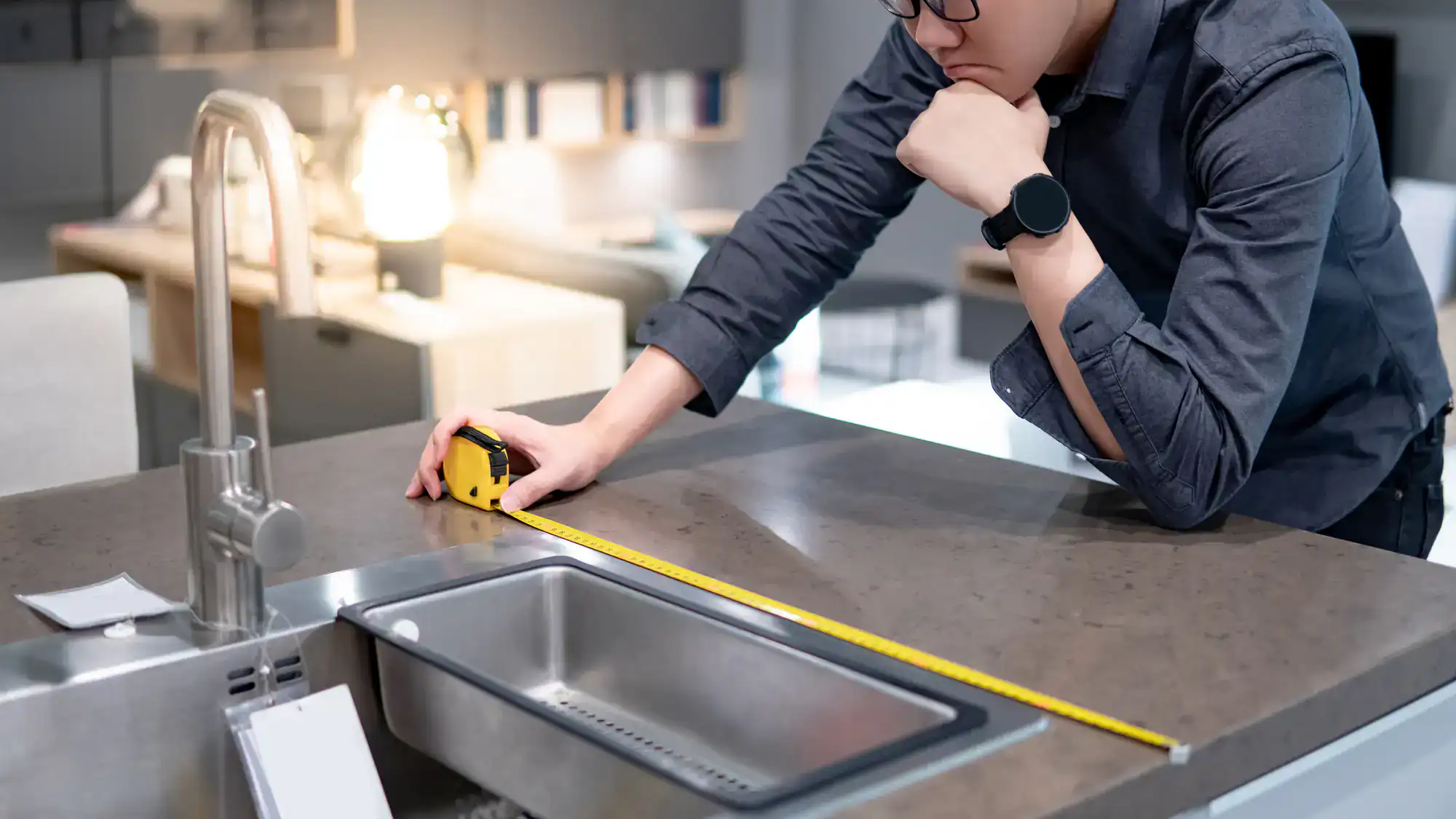
First, we assess the damage in person. Not every crack needs the same fix, and not every chip requires the same approach. We look at the stone type, the location of the damage, how it’s being used, and what caused it in the first place.
Then we prep the area. For cracks, that means cleaning out debris and stabilizing the stone. For chips, we’re shaping the damaged area so the repair material bonds correctly. This step matters more than most people realize it’s what separates repairs that last from ones that fail in six months.
Next comes the actual repair. We use UV-cured formulas that bond at the molecular level and match your stone’s exact color and veining. This isn’t filler that sits on top. It integrates with the stone itself. Once cured, we polish and finish the surface so the repair blends completely.
You’re left with stone that’s structurally sound and visually seamless. The repair is watertight, hygienic, and built to handle the same use as the rest of your surface whether that’s a busy kitchen counter or a high-traffic entryway floor.
Ready to get started?
Stone floor repair in Upper Manhattan often involves more than just fixing visible cracks. Floors take constant impact, especially in entryways and kitchens. We address the underlying support issues that caused the damage, not just the surface problem. That means checking for voids beneath the stone, ensuring proper substrate support, and reinforcing stress points around transitions and thresholds.
For countertops, stone chip repair focuses on high-use areas around sinks, near edges, and where cutting boards slide across surfaces. Granite chips frequently happen at sink cutouts when the stone wasn’t properly supported during installation. We fix the chip and address the structural issue so it doesn’t crack again in the same spot.
Stone surface repair also includes restoration work that goes beyond damage. Scratches from years of use, etching from acidic spills, dullness from wear these aren’t technically “damage,” but they make your stone look tired. We bring back the original finish, whether that’s a high polish for marble or a honed look for limestone.
Upper Manhattan’s older buildings present unique challenges. Historic marble has often settled or shifted slightly over decades. Color matching requires understanding how stone ages in these conditions, not just matching it to a factory sample.
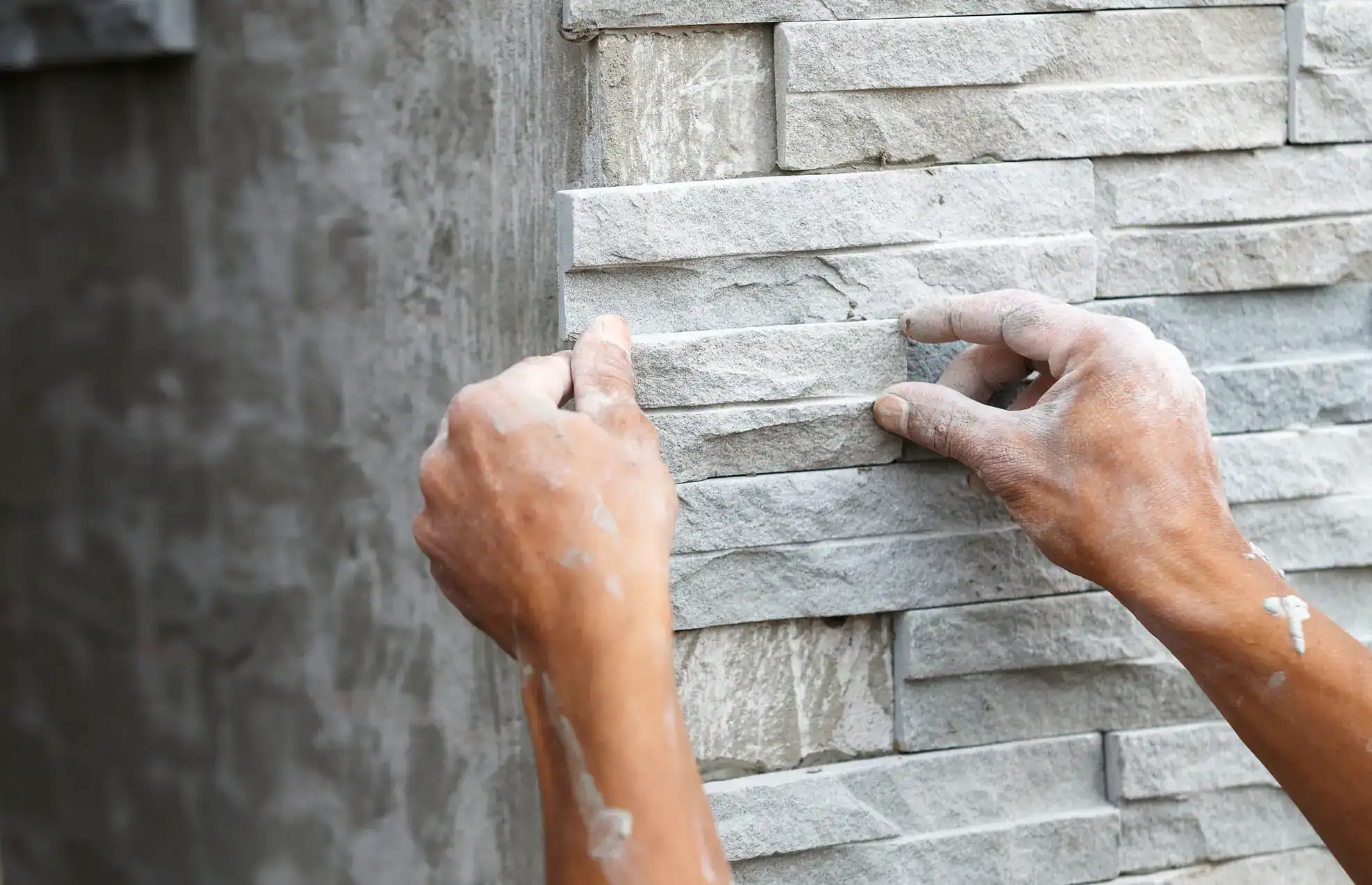
Most cracks can be repaired without replacing anything. The question isn’t whether it’s possible it’s whether the repair will hold up based on what caused the crack and where it’s located.
Cracks from settling or impact are straightforward. We stabilize the stone, fill the crack with a bonding material that matches your stone’s composition, and restore the surface. These repairs are permanent when done correctly. The stone often ends up stronger at the repair point than it was before.
Cracks from ongoing structural issues are different. If your granite cracked because the substrate underneath is failing, or your marble floor is cracking because the building is still settling, we need to address that first. Otherwise you’re just fixing the symptom. We’ll tell you upfront if there’s an underlying problem that needs attention before we repair the stone itself.
Most stone chip repairs take a few hours, and you can use the surface the same day. The actual repair work is fast it’s the prep and finishing that take time.
We use UV-cured materials that harden in minutes, not days. Once the repair is cured and polished, it’s fully functional. For a countertop, that means you can set things on it, wipe it down, and use it normally. For a floor, you can walk on it without worrying about damaging the repair.
The only exception is if we’re doing multiple repairs or dealing with extensive damage that requires more complex work. In those cases, we’ll give you a clear timeline upfront. But for a single chip or a small crack, you’re usually looking at a morning or afternoon appointment, and your stone is back in service by dinner.
A properly done repair should be nearly impossible to spot, even if you know where to look. That’s the standard we work to, and it’s what separates professional stone repair from DIY attempts or quick fixes.
The key is color and vein matching. Stone isn’t uniform it has variations, patterns, and subtle shifts in tone. We mix repair materials to match not just the overall color, but the specific area we’re working on. For veined stone like marble, we recreate the vein pattern through the repair so it flows naturally.
Upper Manhattan buildings often have stone that’s decades old and has developed a patina. Matching that aged look requires experience with how different stones weather in New York’s climate. We’re not matching your stone to a sample from the quarry we’re matching it to what’s actually in your home right now, with all its character and history.
Impact is the obvious one drop something heavy on marble or granite, and you’ll likely get a chip. But most of the stone damage we see in Upper Manhattan comes from installation issues or structural stress, not accidents.
Countertops crack around sink cutouts when the stone isn’t properly supported underneath. Granite is strong, but it needs solid substrate backing, especially around voids like sinks. Without it, the stone flexes slightly under normal use, and eventually that stress creates a crack. This is incredibly common in kitchen renovations where speed was prioritized over proper installation.
Floor cracks usually come from substrate problems. If there’s a void beneath the stone, or if the adhesive wasn’t applied correctly, the stone will eventually crack under foot traffic. Building settlement can also cause cracks, particularly in older buildings where slight shifts happen over time.
Chips happen at edges and corners because that’s where stone is most vulnerable. Countertop edges near sinks, floor tiles at thresholds, stair treads at the nosing these are high-impact zones that take constant abuse.
Replacement costs ten to twenty times more than repair, takes weeks instead of hours, and often creates new problems you weren’t expecting. Unless the stone is shattered beyond repair, fixing it makes more financial sense.
Here’s what replacement actually involves for a countertop: removing the damaged slab without breaking adjacent pieces, templating and ordering new stone, waiting for fabrication, scheduling installation, and dealing with the reality that new stone won’t match your existing stone exactly. Even if it’s from the same quarry, natural stone varies. Your new piece will look different.
For floors, replacement means pulling up tiles, which often damages surrounding tiles, then trying to match stone that may not be available anymore. If your floor is from an older building, good luck finding an exact match. You’ll end up replacing more than you planned.
Stone repair fixes the immediate problem without the cascade of complications. The damaged area is restored, the rest of your stone stays untouched, and you avoid weeks of construction disruption. For most damage we see in Upper Manhattan homes, repair isn’t just cheaper it’s smarter.
We repair marble, granite, limestone, travertine, slate, and most other natural stone you’ll find in Upper Manhattan homes. Each material requires different techniques and repair formulas, but the process is similar.
Marble is what we work with most often in this area it’s everywhere in older buildings, from lobby floors to bathroom vanities to kitchen countertops. It’s also softer than granite, which means it scratches and etches more easily, but it’s very repairable. Cracks, chips, scratches, and dull spots all respond well to professional restoration.
Granite is harder and more impact-resistant, but when it does crack or chip, the repair needs to be precise. Granite repairs require materials that can handle the stone’s density and hardness. Done right, they’re just as durable as the original stone.
Limestone and travertine are porous and softer, which makes them prone to different types of damage mostly surface wear, etching, and staining. These materials need gentler approaches and specific sealers after repair. We adjust our methods based on what your stone actually needs, not a one-size-fits-all approach.
Other Services we provide in Upper Manhattan