
Stone Restoration in West Village, NY
Your Stone Surfaces Restored to Original Condition
Hear from Our Customers
Natural Stone Restoration West Village
Your stone looks new again. Not “better than it was” actually restored to how it looked the day it was installed.
You skip the nightmare of replacement. No demolition, no weeks of contractors in your home, no disposing of perfectly good stone that just needs proper care. Stone floor restoration in West Village costs a fraction of what you’d spend ripping everything out and starting over.
Your property value stays protected. Well-maintained natural stone is one of those details that buyers notice immediately. In a neighborhood where median home prices hit $1.7M and landmark preservation matters, damaged stone surfaces stand out for all the wrong reasons. Restored stone tells a different story one of a property that’s been properly maintained.
The work holds up. Professional stone restoration service in West Village means using the right techniques for your specific material. Marble needs different treatment than granite. Limestone responds differently than travertine. Get it wrong and you’re looking at more damage. Get it right and your stone stays beautiful for years.
Stone Restoration Company West Village
We’ve spent over three decades working on natural stone surfaces across Manhattan. We’ve seen what works, what doesn’t, and what causes the most damage when people try to cut corners.
West Village properties come with their own considerations. Historic brownstones with original marble. Landmark buildings where you can’t just replace everything. High-end renovations where the stone cost more than most people’s cars. You need someone who understands what they’re working with.
We’re licensed, insured, and OSHA-certified. Our team gets continuous training on the latest stone care methods because this industry doesn’t stand still. What worked ten years ago might damage your stone today. We stay current so your surfaces don’t pay the price for outdated techniques.
Stone Refinishing West Village Process
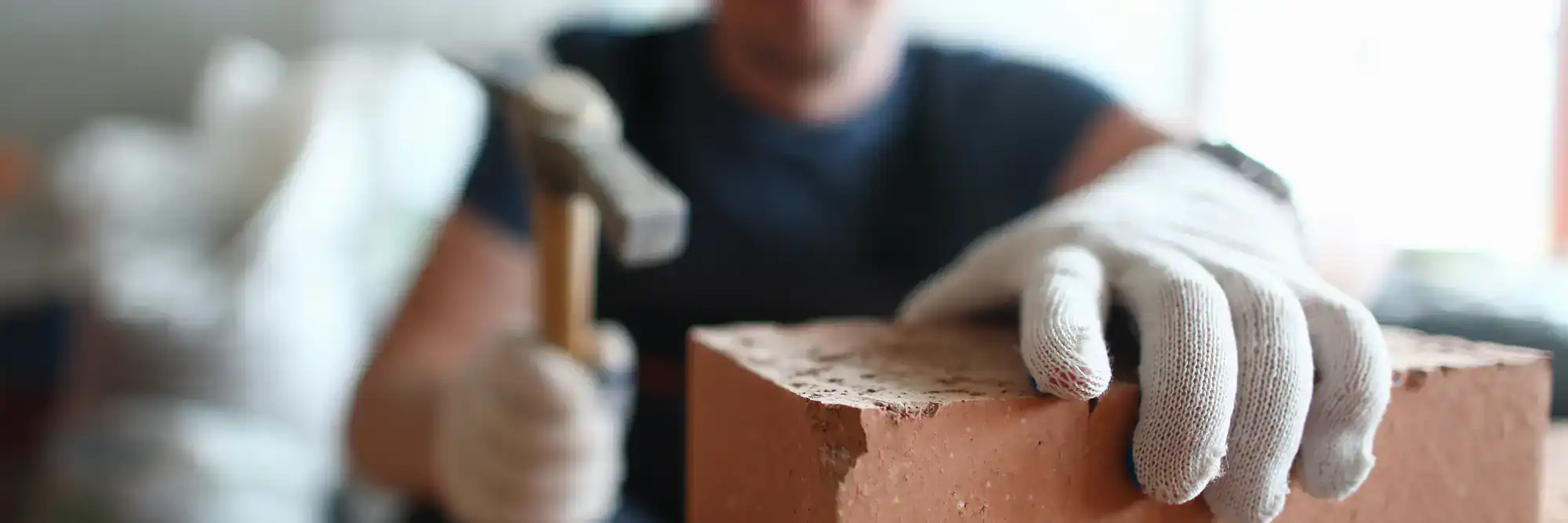
First, we assess your stone. Different damage needs different solutions. Etching from acidic spills, staining from penetration, physical scratches, or general dullness each one requires specific treatment. We identify your stone type, evaluate the damage, and explain exactly what we’ll do.
Then we clean and prep the surface. This isn’t about household cleaners. We’re removing everything that’s built up: hard water deposits, old sealers that have broken down, grit that’s been ground into the surface. Clean stone lets us see what we’re actually dealing with.
The restoration work depends on what your stone needs. Grinding removes deep scratches and lippage. Honing brings back a smooth, even surface. Polishing restores the shine. For marble restoration in West Village, we might need to address etching with specialized compounds. Granite often needs different polishing methods than limestone.
Repairs happen during this phase. Chips get filled. Cracks get stabilized. We match the color and texture so repairs blend into the surrounding stone. Done right, you won’t see where the damage was.
Finally, we seal the stone. Not all stone needs sealing, and not all sealers work the same way. We use the right product for your specific material and how you use the space. Then we walk you through maintenance so your stone stays in good shape.
Ready to get started?
Stone Surface Restoration West Village Services
You get comprehensive stone restoration service in West Village that covers the full scope of what your surfaces need. Cleaning, polishing, honing, grinding, sealing whatever brings your stone back to proper condition.
Stain removal targets specific problems. Oil-based stains need different treatment than organic stains. Rust stains, hard water deposits, and etching from acidic substances all require specialized approaches. We don’t guess. We know what works for each situation.
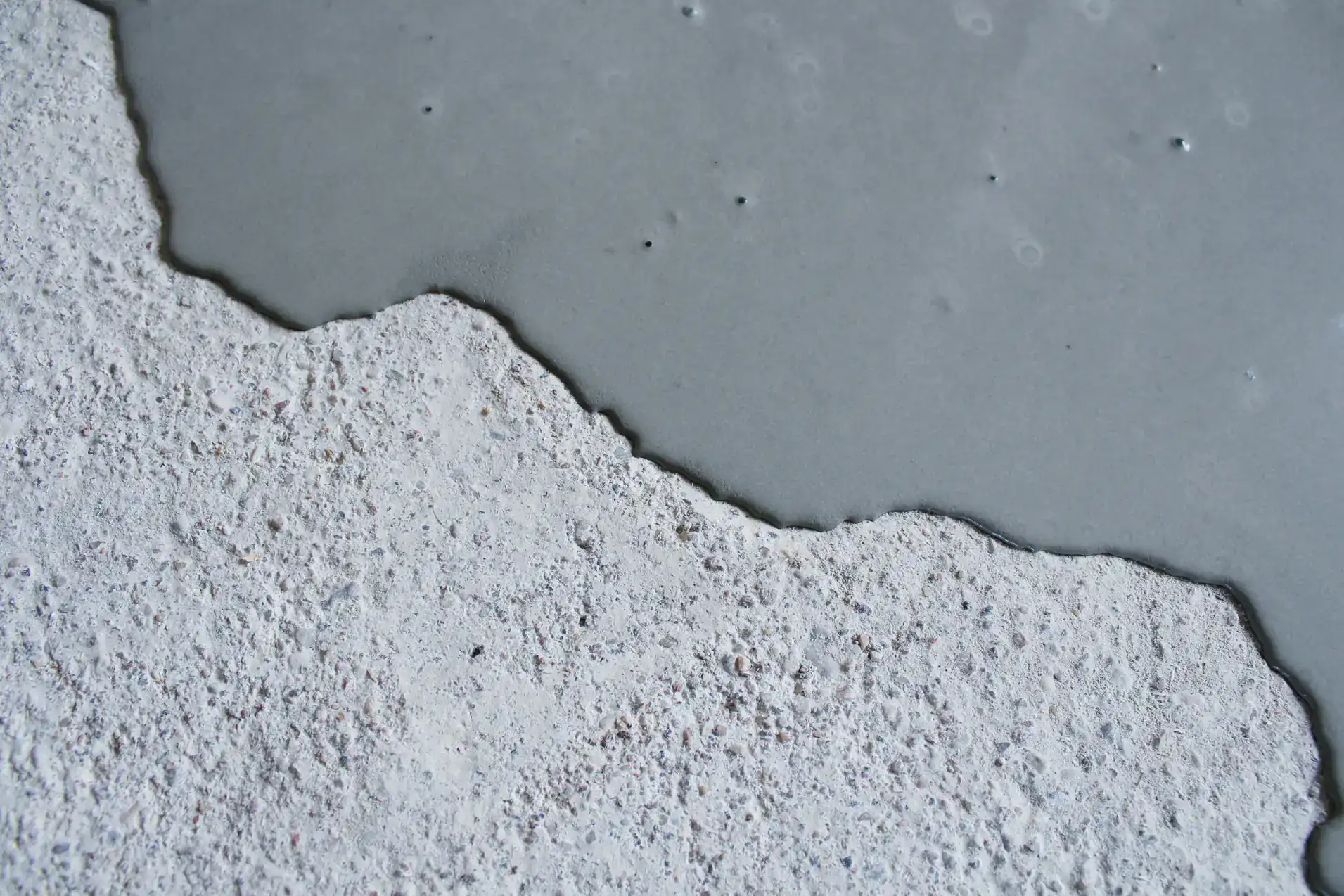
Crack and chip repair restores structural integrity and appearance. We stabilize damage, fill voids, and blend repairs into the existing surface. The goal is making the repair invisible matching veining, grain pattern, and finish so it disappears into the stone.
Color enhancement brings back depth and richness that fades over time. Anti-slip treatments add safety without compromising appearance. Grout restoration addresses the areas between stone tiles that often get overlooked but dramatically affect how the whole surface looks.
West Village properties often feature historic stone that needs careful handling. Federal-style brownstones, Greek Revival details, Italianate facades these aren’t generic suburban installations. We understand the architectural context and treat your stone accordingly. Landmark preservation requirements mean you can’t always replace damaged elements. Restoration becomes the only option, and it needs to be done right.
How long does stone restoration take compared to replacement?
Most stone restoration projects in West Village finish in one to three days depending on the size and condition of the area. You’re looking at minimal disruption to your daily routine.
Replacement takes weeks. You’ve got demolition, disposal, substrate prep, new stone installation, grouting, sealing, and curing time. That’s assuming the stone you want is in stock and the installer can start immediately. Most West Village properties don’t have that kind of flexibility, especially in landmark buildings where you need approvals.
The other factor is access. Many West Village buildings have narrow staircases, historic elevators with weight limits, or no elevator at all. Getting new stone in and old stone out becomes a logistical headache. Restoration happens in place. We bring in equipment and materials, do the work, and you’re done.
Can all types of stone damage actually be repaired?
Most damage can be repaired or significantly improved. Deep cracks that go all the way through the stone, structural failures, or stone that’s completely delaminated might need replacement. But that’s rare.
Scratches, etching, stains, chips, dullness, uneven sheen all repairable. We’ve restored stone that homeowners thought was beyond saving. The key is understanding what caused the damage and whether the stone still has enough material to work with.
Etching on marble happens when acid eats away the surface. We can hone and repolish to remove the damaged layer and bring back the shine. Stains that have penetrated deep into porous stone take more work, but specialized poultices can draw them out. Chips and cracks get filled with color-matched materials that blend into the surrounding stone.
The biggest limitation is stone thickness. If someone has already ground down your stone multiple times with aggressive methods, you might not have enough material left for proper restoration. That’s why working with experienced professionals matters from the start.
What's the difference between honing and polishing stone?
Honing creates a smooth, matte finish without shine. Polishing takes it further to create that glossy, reflective surface you see on high-end marble and granite.
Both processes use progressively finer abrasives to refine the stone surface. Honing stops at a certain grit level that leaves the stone smooth but not reflective. This works well for floors where you want slip resistance or for stone types that look better with a softer finish. Limestone and travertine often look more natural honed rather than polished.
Polishing continues with finer and finer abrasives, sometimes combined with crystallization compounds for marble, until the surface reflects light. This brings out the depth of color and veining in the stone. It’s what most people picture when they think of marble countertops or granite floors.
Your choice depends on the stone type, location, and how you use the space. Polished marble in a shower looks stunning but can be slippery. Honed marble gives you better traction. Polished granite on kitchen counters is standard because it’s easier to clean and resists staining better than a honed finish.
How do I know if my stone needs sealing?
Not all stone needs sealing, and some stone shouldn’t be sealed at all. Dense granite often doesn’t need it. Highly polished marble might not either. Porous stone like limestone, travertine, and some marbles definitely benefit from sealing.
The water test tells you what you need to know. Put a few drops of water on your stone and watch what happens. If the water beads up and sits on the surface, your stone is either sealed or dense enough that it doesn’t need sealing. If the water soaks in and darkens the stone within a few minutes, you need sealing.
Sealing doesn’t make stone stain-proof. It makes it stain-resistant by filling the pores and giving you time to wipe up spills before they penetrate. How long sealer lasts depends on the product, the stone, and how much traffic the area gets. Kitchen counters need resealing more often than a marble fireplace surround.
In West Village properties, we often see stone that’s been sealed with the wrong product or hasn’t been sealed in years. Old sealer can yellow, trap dirt, or create uneven absorption. We strip old sealer, restore the stone, and apply the right product for your specific situation.
Why does my marble have dull spots that won't polish?
Those dull spots are etching, and they happen when acidic substances react with the calcium carbonate in marble. Lemon juice, wine, vinegar, certain cleaners anything acidic literally dissolves a microscopic layer of the stone surface.
You can’t polish etching away with household products. The damage is in the stone structure itself, not on top of it. Rubbing harder or using abrasive cleaners makes it worse by creating scratches on top of the etched area.
Professional stone refinishing in West Village addresses etching by carefully removing the damaged layer and refinishing the surface. For light etching, we might use specialized compounds and polishing techniques. Deeper etching needs honing with progressively finer abrasives before we can bring back the polish.
Prevention matters more than correction. Use pH-neutral cleaners on marble. Wipe up spills immediately. Don’t put acidic foods directly on marble surfaces. Coasters and cutting boards aren’t just suggestions they’re how you avoid creating more etching that needs professional repair.
What maintenance does restored stone need to stay in good condition?
Daily maintenance is simple: dust mop or vacuum floors, wipe counters with a damp cloth and pH-neutral cleaner. That’s it. You’re not scrubbing or using harsh chemicals.
The pH-neutral part matters. Most household cleaners are too acidic or too alkaline for natural stone. Acidic cleaners etch calcium-based stone like marble and limestone. Alkaline cleaners can break down sealers and leave residue. Stone-specific cleaners exist for a reason they clean without damaging.
Avoid abrasive tools. No scouring pads, no abrasive powders, no melamine sponges. These create scratches that dull the surface over time. Soft cloths or non-abrasive sponges work fine for normal cleaning.
Reseal when needed based on the water test. High-traffic areas might need annual resealing. Low-traffic areas might go several years. Professional cleaning and repolishing every few years keeps stone looking its best, especially in West Village homes where the stone is a significant design element. Regular maintenance costs far less than restoration, and restoration costs far less than replacement.
Other Services we provide in West Village