
Marble Polishing in West Village, NY
Your Marble Restored to Its Original Shine
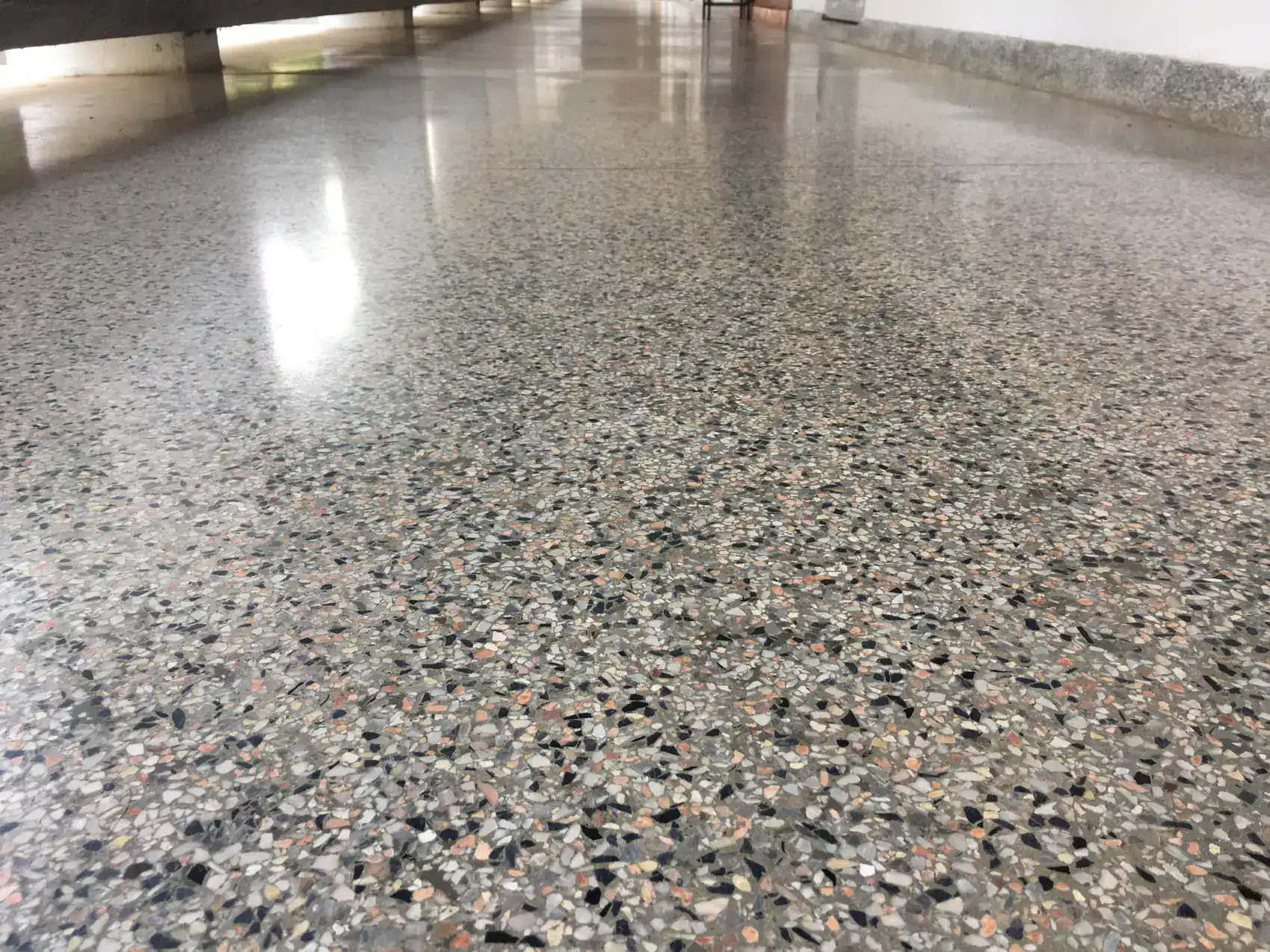
Hear from Our Customers
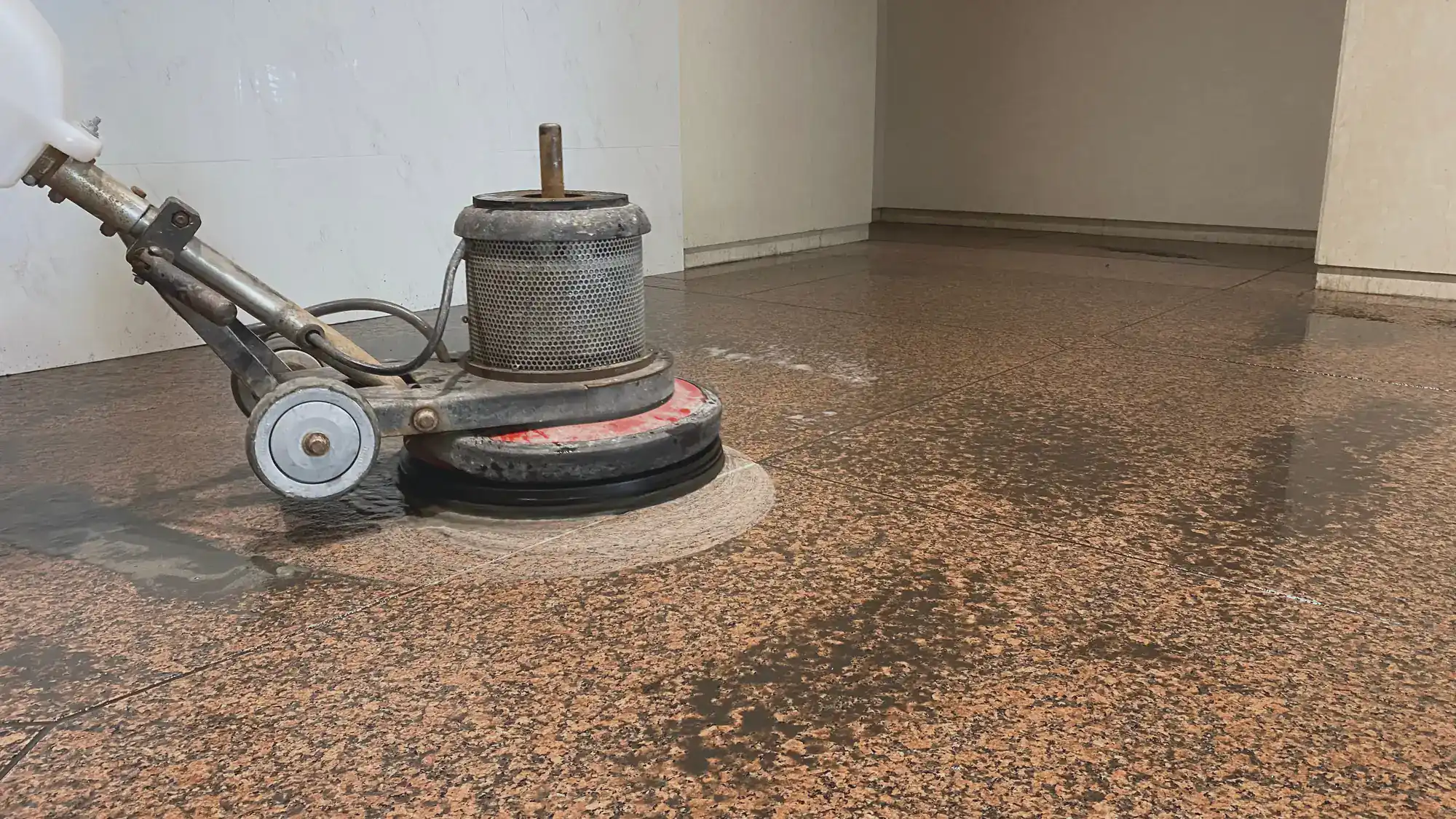
Stone Polishing Service West Village
Your marble loses its shine from foot traffic, acidic spills, and daily wear. That’s normal in West Village homes where pre-war elegance meets modern living. What’s not normal is letting it stay that way.
Professional marble floor polishing in West Village removes the damaged surface layer through diamond abrasive grinding. This isn’t buffing or coating it’s actually removing scratches and etching at the stone level. The result is marble that looks like the day it was installed, with the depth and clarity you paid for.
You’re not covering up damage. You’re eliminating it. The stone’s natural pattern comes back into focus. The reflection returns. And you stop wondering if you should’ve chosen something more forgiving.
Marble Polishing Near You West Village
We’ve been restoring marble in West Village, NY since before most restoration companies existed. We’re a family-owned operation with a master craftsman who’s spent over 40 years learning how different stones respond to different treatments.
That matters in a neighborhood where your floors might be original to a 1920s building or custom herringbone marble from last year’s renovation. The approach changes. The attention doesn’t.
We’ve worked in landmark museums and luxury residences across Manhattan. West Village properties get the same level of care whether we’re polishing 100 square feet or 10,000. No subcontractors. No guessing. Just stone technicians who know what they’re doing.
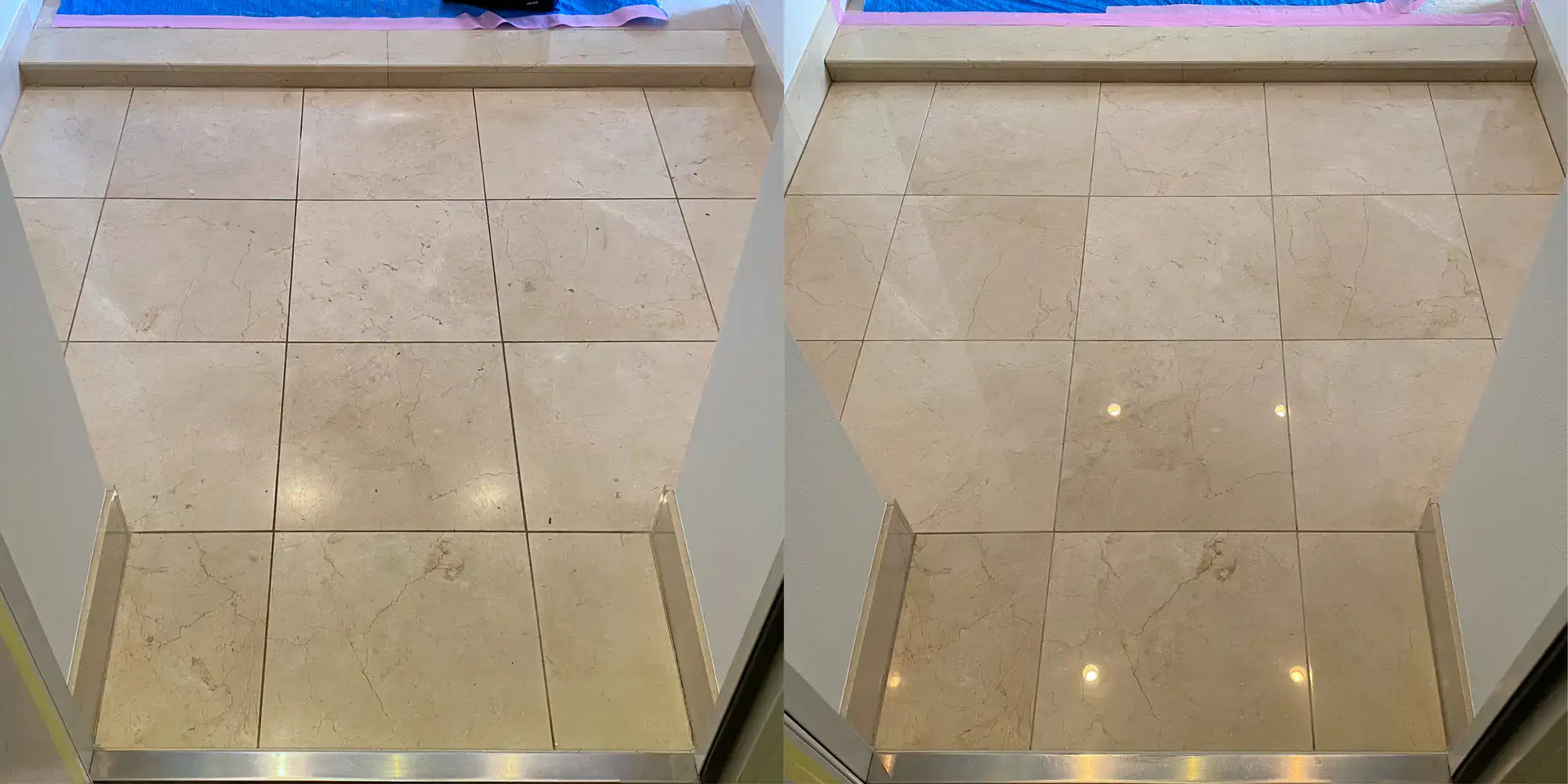
Marble Surface Polishing West Village Process
First, we assess your marble’s condition. Not every floor needs the same treatment. Light scratching needs different abrasives than deep etching. We determine how much material needs removing to get below the damage.
Then comes diamond abrasive grinding. We use progressively finer diamond pads to remove the damaged layer and smooth the surface. This is where scratches, etch marks, and dullness disappear. It’s methodical work rushing this step means uneven results.
After grinding, we hone the surface to the right finish level. Some marble looks best with high gloss. Some needs a softer hone. We match the original factory finish or adjust based on your preference.
Finally, we seal the stone. Marble is porous, especially after polishing. Sealing protects against stains and etching from everyday use. You get care instructions that actually make sense, and we schedule your next maintenance before the stone deteriorates again.
Ready to get started?
Marble Polishing and Sealing West Village
Every marble floor polishing near you in West Village includes damage assessment, diamond grinding, honing, polishing, and sealing. We also handle repairs if your marble has chips or cracks that need filling before we polish.
West Village properties face specific challenges. The neighborhood’s beautiful tree-lined streets mean leaves and moisture get tracked inside. Pre-war buildings often have steam heat, which affects humidity and how marble responds to treatment. We account for these factors.
You’ll also get realistic maintenance guidance. Most marble needs professional attention every 6 to 12 months depending on traffic. Kitchens and entryways wear faster than bedrooms. We’ll tell you what to expect based on your specific installation and how you use the space.
We work with all natural stone marble, limestone, granite, slate, soapstone, terracotta. If your West Village home has mixed stone surfaces, we handle everything in one visit. No coordinating multiple contractors.

How long does marble polishing take in a typical West Village apartment?
Most West Village apartments take one to two days depending on square footage and marble condition. A standard marble bathroom floor runs about four to six hours. A full kitchen with countertops and flooring usually needs a full day.
The timeline changes if your marble has significant damage. Deep etching or heavy scratching means we need to remove more material, which takes longer. We’ll give you an accurate estimate after seeing the space.
We work efficiently, but we don’t rush the process. Diamond grinding requires multiple passes with progressively finer abrasives. Skipping steps or moving too fast leaves visible lines and uneven shine. You’re better off blocking out the right amount of time than dealing with a mediocre result.
Can you remove water stains and etch marks from marble countertops?
Yes, if the damage is in the stone itself and not just surface residue. Water stains on marble usually come from minerals in the water sitting on the surface. Etch marks come from acidic substances like lemon juice, wine, or vinegar eating into the stone.
Both require removing the damaged layer through grinding and re-polishing. We can’t buff these out the damage goes deeper than surface level. The stone needs to be ground down past the affected area, then honed and polished back to match the surrounding surface.
If your marble has been sealed properly and maintained, etching is less severe and easier to address. If it’s been neglected, the damage goes deeper. Either way, marble surface polishing in West Village can restore the original appearance as long as there’s enough stone thickness to work with.
How much does professional marble floor polishing cost in West Village?
Marble floor polishing in West Village, NY typically runs $1,500 to $3,000 for a standard kitchen and $750 to $1,800 for a bathroom floor. Larger spaces or heavily damaged marble costs more because of the additional labor and materials.
The price reflects the actual work involved. We’re removing damaged stone, not applying a topical coating that wears off in six months. You’re paying for diamond abrasives, specialized equipment, and technicians who know how to use them without damaging your floors.
Compare that to replacement costs. New marble installation in West Village runs $15 to $30 per square foot for materials alone, plus demolition and installation labor. Restoration is almost always more cost-effective unless your marble is structurally compromised.
We provide free consultations and quotes. You’ll know exactly what the work costs before we start, with no surprises.
Will marble polishing remove all scratches from my floors?
It removes scratches that haven’t penetrated too deeply into the stone. Surface scratches and minor etching come out completely with proper grinding and polishing. Deep gouges that go beyond a few millimeters may not disappear entirely without removing excessive stone material.
The goal is restoring the marble to a uniform finish where scratches aren’t visible under normal lighting. Sometimes that means leaving very minor imperfections that would require removing too much stone to address. We’ll tell you what’s realistic for your specific situation.
Most scratches in West Village homes come from grit tracked in from outside or furniture being moved. These are surface-level and respond well to diamond abrasive grinding. You’ll see them disappear as we work through the finer grits. The stone’s natural pattern becomes clear again, and the surface reflects light evenly.
How often should marble be professionally polished in West Village homes?
Every 6 to 12 months for high-traffic areas like kitchens and entryways. Bathrooms and bedrooms can go 12 to 18 months between services if they’re not getting heavy use.
The frequency depends on your lifestyle and how well you maintain the stone between professional visits. If you’re diligent about cleaning up spills immediately and using pH-neutral cleaners, your marble holds up longer. If you have kids, pets, or entertain frequently, you’ll need more frequent attention.
West Village’s climate also plays a role. Winter means salt and moisture from outside. Summer humidity affects how sealers perform. Regular maintenance keeps small issues from becoming expensive problems. It’s easier and cheaper to maintain marble that’s in good condition than to restore marble that’s been neglected for years.
We can set up a maintenance schedule that makes sense for your specific property and usage patterns.
What's the difference between marble polishing and refinishing?
They’re essentially the same process removing damaged stone and restoring the original finish. Some companies use “refinishing” to describe more aggressive restoration work on heavily damaged marble. Others use the terms interchangeably.
What matters more than terminology is the actual method. True stone polishing near you in West Village uses diamond abrasives to mechanically remove scratches and etching. This reproduces the factory finish and brings back the stone’s natural depth and clarity.
Some companies apply topical coatings and call it polishing. That’s not restoration it’s a temporary cover-up that wears off quickly and often looks cloudy or uneven. Real marble polishing changes the stone’s surface at a structural level. The results last significantly longer and look like actual marble, not plastic film.
Ask specifically about the process any company uses. If they’re talking about coatings or crystallization without mentioning diamond abrasives, you’re not getting true restoration work.
Other Services we provide in West Village