
Marble Polishing in Midtown West, NY
Your Marble Restored to Mirror-Like Shine
Hear from Our Customers
Stone Polishing Service Midtown West
You’re looking at marble that’s lost its shine. Maybe it’s etched from spills, scratched from daily use, or just dulled down from years of foot traffic. The good news: that’s fixable without tearing anything out.
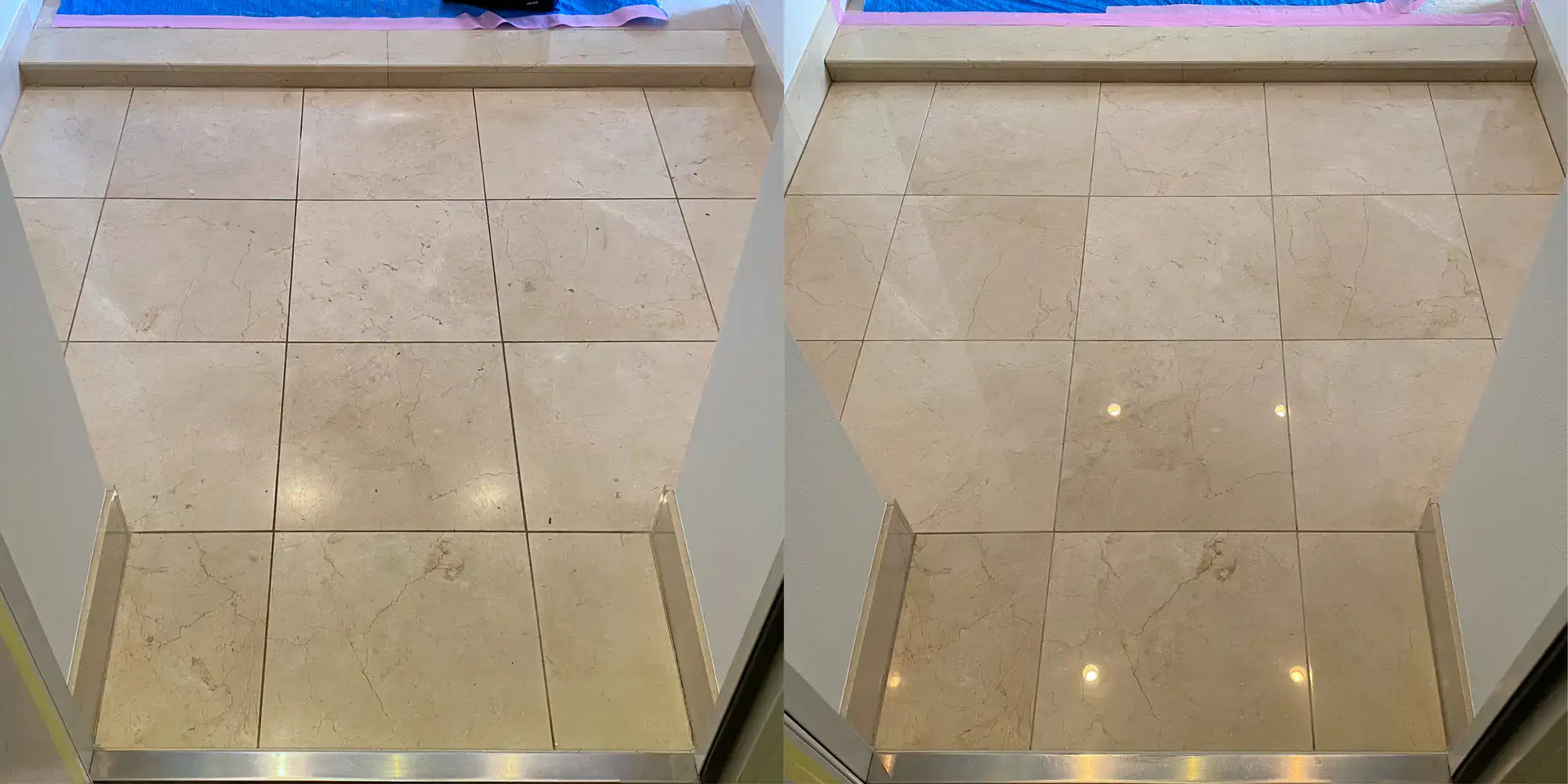
Professional marble floor polishing in Midtown West uses diamond abrasives to remove surface damage and restore the original finish. We’re talking about the same marble you already have, just brought back to the way it looked when it was first installed. No haze. No dull spots. Just clean, reflective surfaces.
The process removes etching from acidic spills, eliminates scratches and scuff marks, and brings back that deep, natural shine marble is known for. You get a floor or countertop that looks new again, and you skip the $15,000+ replacement bill. That’s the difference between restoration and renovation.
Marble Polishing Near You Midtown West
We’ve been handling marble surface polishing in Midtown West, NY since the late ’90s. We’ve worked in luxury condos, commercial lobbies, hotel bathrooms, and high-end kitchens across Manhattan. The kind of properties where marble isn’t just decorative it’s an investment.
Midtown West has some of the city’s most well-maintained buildings, and those building managers don’t call just anyone. They need crews who understand the difference between Carrara and Calacatta, who know when to hone vs. polish, and who can work around tenant schedules without disrupting business.
We’re licensed, insured, and we’ve seen every type of marble damage you can imagine. Etched bathroom vanities from cleaning products. Cracked kitchen islands from dropped pans. Lobby floors worn down by thousands of daily footsteps. All of it gets restored, not replaced.
Marble Floor Polishing Near You
First, we assess the damage. Not every marble problem needs the same fix. Light etching might only need polishing. Deep scratches require honing first. We figure out what your specific marble needs, then map out the process.
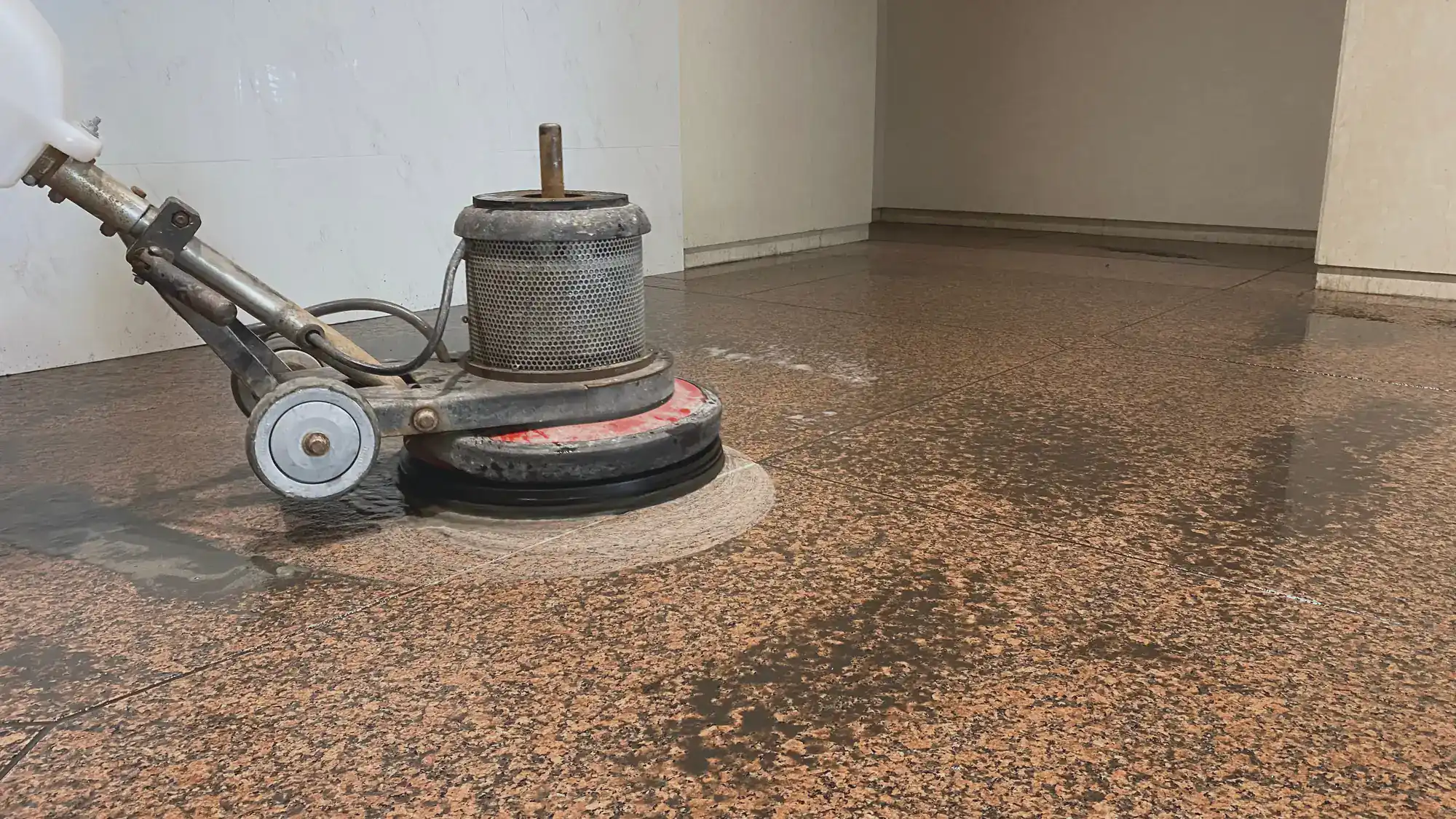
Next comes the actual restoration. For marble floor polishing in Midtown West, we start with diamond abrasives to remove the damaged surface layer. This isn’t buffing we’re actually grinding down to fresh stone. We work through progressively finer grits until the surface is completely smooth. Then we polish using high-grade diamond pads that create that mirror finish.
After polishing, we seal the marble. This step matters more than most people realize. A proper sealer creates a barrier against future staining and etching. It won’t make marble indestructible, but it gives you time to wipe up spills before they become permanent damage. We use commercial-grade sealers that last 12-18 months with normal use, and we can show you how to maintain the finish between professional services.
Ready to get started?
Marble Polishing and Sealing Midtown West
When we handle stone polishing service in Midtown West, NY, you’re getting a complete restoration. That means repairing chips and cracks before we polish, removing old sealers that have yellowed or worn unevenly, and addressing any specific problem areas like etched countertops or stained shower walls.
The polishing itself involves multiple passes with different diamond grits. We’re not just making it shiny we’re removing the damaged layer and exposing fresh marble underneath. For floors, this also means leveling any lippage where tiles meet unevenly. For countertops, it means restoring edges and backsplashes to match the main surface.
Midtown West properties often have high-traffic marble that takes a beating. Lobby floors see hundreds of people daily. Office building bathrooms get constant use. Restaurant kitchens deal with spills and impacts. We adjust our approach based on how the marble is used. High-traffic areas get extra attention on sealing. Commercial spaces get scheduled for off-hours. Residential jobs work around your schedule, not ours.
You also get guidance on maintenance. Most marble damage is preventable if you know what you’re doing. We’ll tell you which cleaners are safe, how often to reseal, and what to watch for. The goal is making this marble last another 20 years, not seeing you again in six months.

How long does marble polishing take for a typical Midtown West apartment?
A standard bathroom floor runs about 4-6 hours. A kitchen with countertops and a small floor area takes 6-8 hours. Whole-apartment jobs with multiple marble surfaces can take 1-2 days depending on square footage and damage level.
The timeline depends on what we’re fixing. Light polishing goes faster than deep restoration. If we’re repairing cracks or chips first, that adds time. If the marble hasn’t been maintained in years and needs aggressive honing, that’s slower than refreshing a well-kept surface.
We work in stages: prep and repair, honing (if needed), polishing, and sealing. Each stage has to be completed properly before moving to the next. Rushing through honing leaves scratches that show up after polishing. Skipping proper cleaning before sealing traps dirt under the sealer. We’d rather take an extra few hours and do it right than cut corners and have you call us back in three months.
Can you remove etching from marble countertops without replacing them?
Yes. Etching is surface damage, not structural damage. It happens when acidic substances like wine, coffee, or citrus juice dissolve the marble’s calcium carbonate. That leaves dull spots or rings where the acid made contact.
We remove etching by honing away the damaged layer, then polishing the fresh marble underneath. For light etching, we might only need to polish. For deeper etching, we hone first with coarser diamond pads, then work up through finer grits until we reach polishing stage.
The key is matching the finish across the entire surface. If we only fix the etched spot, you’ll have a shiny patch surrounded by duller marble. We blend the repair into the surrounding area so the whole countertop has a uniform finish. Most etching removal takes 2-4 hours depending on how many spots we’re fixing and how deep the damage goes.
What's the difference between honing and polishing marble?
Honing removes scratches, etching, and surface damage using coarser diamond abrasives. It levels the marble and creates a smooth but matte finish. Polishing comes after honing and uses finer diamond pads to create shine and reflection.
Think of honing as the repair stage and polishing as the finishing stage. If your marble is heavily damaged, scratched, or etched, it needs honing first. We grind away the damaged layer until we hit fresh, undamaged stone. Then we progressively use finer grits to smooth out the scratch patterns from the coarser pads.
Polishing takes that smooth surface and brings out the shine. We use very fine diamond pads sometimes up to 3000 grit or higher to create a reflective finish. Some people prefer a honed (matte) finish for floors because it’s less slippery. Others want high polish for that classic marble look. We can deliver either finish depending on what you want and where the marble is located.
How often does marble need to be resealed in Midtown West?
Every 12-18 months for most residential marble. High-traffic commercial marble might need sealing every 6-12 months. Bathroom marble exposed to constant moisture might need it annually. Kitchen countertops that see daily use typically fall in the 12-15 month range.
You can test if your marble needs resealing by putting a few drops of water on the surface. If the water beads up, your sealer is still working. If it soaks in within a few minutes and darkens the stone, it’s time to reseal.
Sealing isn’t optional if you want to protect your investment. Unsealed marble absorbs stains, etches more easily, and can develop moisture damage over time. In Midtown West apartments with marble showers, we’ve seen grout deterioration and stone discoloration from skipped sealing schedules. A $300 sealing service every year beats a $2,500 restoration job every five years because you let the marble go too long without protection.
Can marble polishing fix cracks and chips?
We can repair most cracks and chips before polishing, but the repair will be visible up close. We use color-matched epoxy or resin to fill the damage, then polish over it to blend it into the surrounding marble. From a few feet away, most repairs are nearly invisible. Up close, you’ll see a slight difference in texture or color.
The alternative is living with the crack or replacing the entire slab. For a small chip on a countertop edge, repair makes sense. For a major crack running across a floor tile, you might want to consider replacing just that tile if it’s accessible.
We’re honest about what repairs will look like. If you’re expecting perfection, replacement is your only option. If you’re okay with a repair that’s 90% invisible and saves you thousands, we can handle that. Most Midtown West clients choose repair for damage in low-visibility areas and replacement only for prominent cracks in highly visible locations.
What's the cost difference between polishing and replacing marble?
Polishing a typical Midtown West bathroom floor runs $750-$1,800. Replacing that same floor costs $3,000-$8,000+ depending on marble type and labor. Kitchen countertop polishing runs $1,500-$3,000. Replacement starts around $5,000 and goes up fast for premium marble.
The math is simple: restoration costs about one-third to one-half of replacement. You’re keeping the marble you already have, just bringing it back to original condition. No demolition. No disposal fees. No weeks of construction dust and contractors in your space.
Replacement makes sense if the marble is structurally damaged, badly cracked throughout, or if you genuinely want a different material. But if the issue is cosmetic dull finish, etching, scratches, stains polishing solves it for a fraction of the cost. In Manhattan where labor and materials run high, that difference can be $5,000-$10,000 saved by choosing restoration over replacement.
Other Services we provide in Midtown West