Serving NYC & Long Island
info@nycstonecare.com
24/7 Availability
Hear from Our Customers
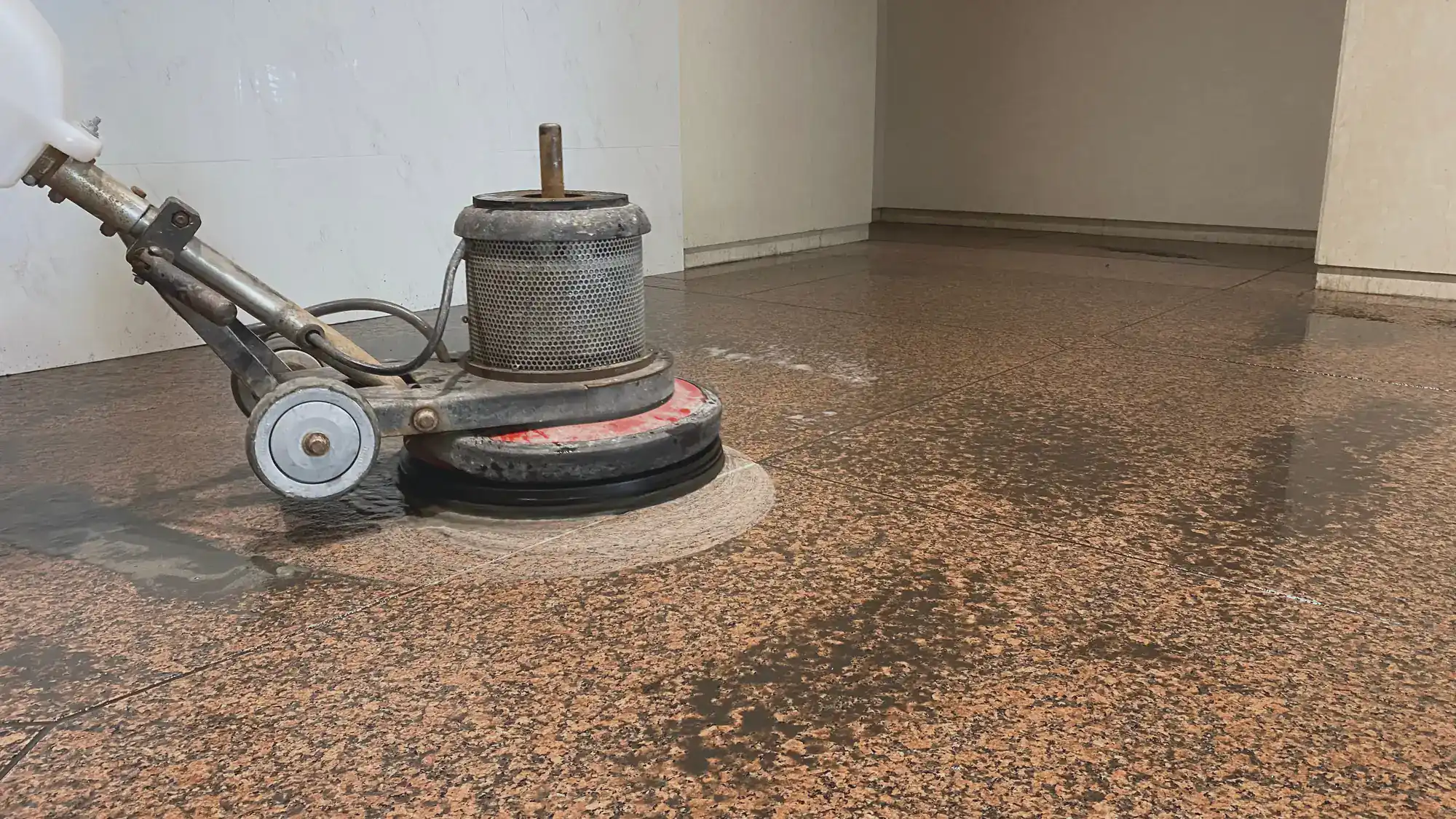
Your marble doesn’t stay shiny on its own. Daily foot traffic grinds microscopic scratches into the surface. Acidic spills etch the stone on contact. Over time, what once reflected light now looks cloudy and worn.
Professional marble floor polishing in Tenderloin, NY brings back that mirror-like finish. The process removes damaged layers, smooths out imperfections, and rebuilds the surface to its original clarity. You’re not covering up the problem you’re fixing it at the stone level.
The result is a floor or countertop that looks installed yesterday. No dullness. No haze. Just clean, reflective stone that makes the rest of your space look better too.
We’ve been handling marble surface polishing in Tenderloin, NY and throughout the tri-state area since we started. We work in residential homes, commercial buildings, hotels, and landmark properties where the standard is high and the margin for error is zero.
Our lead craftsman has over 40 years of hands-on experience with natural stone. That means we’ve seen every type of damage, every failed DIY attempt, and every stone variety that comes through New York properties. We know what works and what doesn’t.
You’re not getting a crew that learned marble restoration last year. You’re getting people who’ve spent decades perfecting the process.
We start with an assessment of your stone. Not every marble floor needs the same treatment, so we look at the level of damage, the type of finish you want, and any specific problem areas like etching or stains.
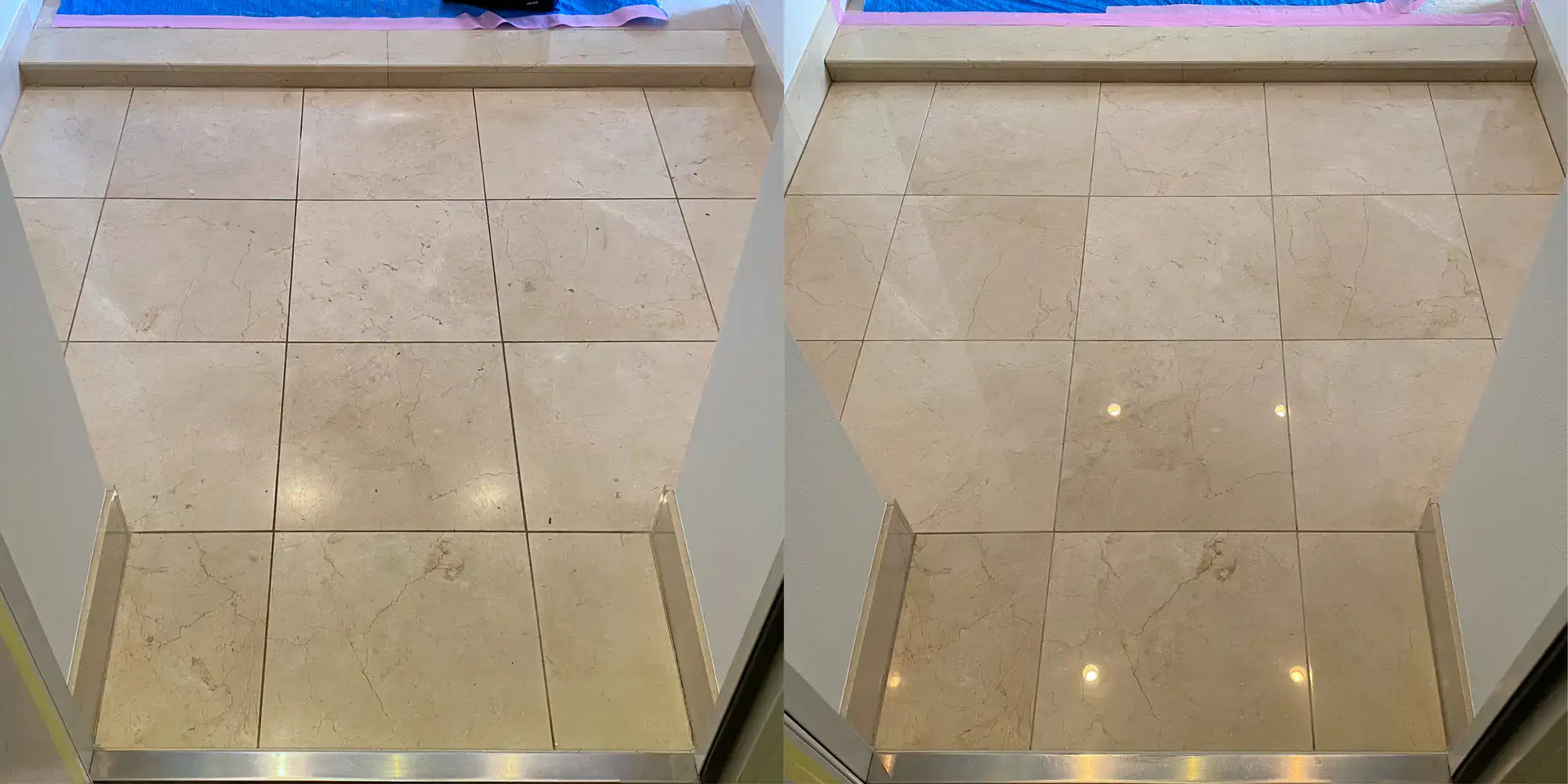
Next comes diamond abrasive grinding. This removes the damaged top layer of the stone the part with all the scratches, etch marks, and dullness. We work through progressively finer grits to smooth the surface and eliminate lippage, which is when tiles sit at uneven heights.
Once the stone is level and smooth, we move into honing and polishing. This is where the shine comes back. We rebuild the surface using diamond polishing pads until the marble reflects light the way it’s supposed to. If you want a matte or honed finish instead of high gloss, we stop at the appropriate grit level.
Finally, we clean everything and apply a sealer if needed. The sealer helps protect against future staining, especially in kitchens and bathrooms where spills happen. We don’t leave until the floor is clean, dry, and ready to use.
Ready to get started?
When we handle marble polishing in Tenderloin, NY, you’re getting a full restoration not a quick buff. That includes grinding down uneven surfaces, removing etch marks and scratches, honing the stone to the right smoothness, and polishing it to your preferred level of shine.
We also handle stain removal when possible. Some stains are surface-level and come out easily. Others have penetrated the stone and require more aggressive treatment. We’ll tell you upfront what’s realistic.
Grout cleaning and repair is part of the process too. Grout that’s turned black or started crumbling makes even polished marble look bad. We clean it, repair cracks, and make sure it’s sealed so it stays cleaner longer.
Tenderloin properties especially older buildings often have marble that hasn’t been maintained in years. That’s common in New York. The stone doesn’t get regular care until someone notices how bad it looks. By then, it usually needs full restoration, not just a polish. We handle that level of work regularly, and the stone comes back looking like it was just installed.

Most marble floors need professional attention every 12 to 18 months, depending on traffic. High-traffic areas like entryways and commercial lobbies wear faster and may need polishing closer to the one-year mark. Residential spaces with lighter use can often go longer.
The timeline also depends on how well the stone was maintained between services. If you’re wiping up spills quickly and using pH-neutral cleaners, the surface lasts longer before it needs grinding and polishing. If acidic cleaners or harsh chemicals have been used, the stone degrades faster.
You’ll know it’s time when the floor starts looking hazy or dull even after cleaning. That’s the surface layer breaking down. Waiting too long means more grinding is needed to get below the damage, which costs more and takes longer.
Yes. Etch marks happen when acidic substances like lemon juice, vinegar, or wine sit on marble and dissolve the surface. The stone loses its polish in that spot and looks dull or lighter in color.
We remove etch marks by grinding down past the damaged layer, then honing and polishing the stone back to match the surrounding area. For light etching, this can be done with minimal material removal. Deep etching requires more aggressive grinding.
The process works on countertops, vanities, and tabletops. The key is blending the repaired area so it matches the rest of the surface. That takes experience if the polish level or honing grit is off, you’ll see the repair. We make sure the finish is consistent across the entire surface so you can’t tell where the damage was.
Honing and polishing both smooth the stone, but they create different finishes. Honing stops at a lower grit level, leaving the marble smooth but matte. It doesn’t reflect light. Polishing continues through finer grits until the stone becomes glossy and reflective.
Honed marble is common in bathrooms and high-traffic areas because it hides scratches and wear better than polished marble. It also provides more slip resistance, which matters on floors. Polished marble is more formal and dramatic, which is why it’s popular in entryways and lobbies.
Both finishes require the same prep work grinding, leveling, and stain removal. The only difference is where we stop in the process. If you’re not sure which finish you want, we can show you samples or polish a small test area so you can see the difference in person before we do the whole floor.
Cost depends on the size of the area, the condition of the stone, and what type of finish you want. For residential floors, expect to pay between $750 and $1,800 for a standard bathroom and $1,500 to $3,000 for a kitchen, based on typical New York pricing.
Commercial spaces and larger areas cost more because of square footage and the logistics of working around business hours. If the marble has significant damage deep scratches, lippage, or heavy staining that adds time and labor, which increases the price.
We provide free quotes after seeing the space. That way, you know exactly what the job will cost before we start. No surprises, no upselling once we’re halfway through. We look at the stone, explain what it needs, and give you a number based on the actual work required.
Most DIY marble polishing products don’t work the way people expect. They’re usually topical coatings that add temporary shine without fixing the underlying damage. Some contain acidic ingredients that actually make etching worse.
Real marble polishing requires diamond abrasives and professional equipment to grind and smooth the stone at a microscopic level. Retail products can’t do that. They might make the floor look shinier for a few weeks, but the dullness and scratches are still there underneath.
We’ve restored plenty of marble floors where someone tried a DIY product first. In some cases, the coating made the stone look worse or created uneven patches that were harder to fix. If your marble is dull or damaged, the only real solution is professional grinding and polishing. Anything else is just a temporary cover-up.
Sealing depends on the type of marble and where it’s located. Most marble benefits from a sealer, especially in kitchens and bathrooms where spills are common. The sealer fills the pores of the stone and makes it harder for liquids to penetrate and cause stains.
Polished marble is less porous than honed marble, so it doesn’t always need sealing. But even polished stone can stain if something acidic or oily sits on it long enough. We recommend sealing in high-risk areas and skipping it in places like entryways where staining isn’t a concern.
We apply sealer after the polishing is complete and the stone is fully dry. It takes a few hours to cure, and then the surface is ready to use. The sealer doesn’t change the appearance of the stone or make it look glossy it just adds a layer of protection that buys you time to wipe up spills before they become permanent.
Other Services we provide in Tenderloin