
Stone Repair in St. Nicholas Historic District, NY
Your Historic Stone Restored to Original Condition
Hear from Our Customers
Natural Stone Repair Service St. Nicholas Historic District
You stop worrying about that crack getting worse every winter. The stone damage repair in St. Nicholas Historic District that we complete means water stops seeping behind your facade, freeze-thaw cycles stop causing more spalling, and your building stops looking neglected.
Your property value stays protected. When potential buyers or tenants see deteriorating stone, they see expensive problems and deferred maintenance. When they see properly restored surfaces, they see a well-maintained historic property worth paying for.
You stay compliant without the headache. Local Law 11 doesn’t care about your budget or timeline it requires unsafe stone elements to be repaired. Our stone crack repair in St. Nicholas Historic District meets those requirements while also satisfying Landmarks Preservation Commission standards, so you’re covered on both fronts.
Stone Floor Repair St. Nicholas Historic District
We’ve been doing stone repair in St. Nicholas Historic District and throughout Manhattan for over 40 years. That’s four decades of working with brownstone, limestone, marble, and terra cotta on buildings that matter buildings with landmark designations, architectural significance, and owners who actually care about doing restoration correctly.
You’re not getting a general contractor who subcontracts to the lowest bidder. You’re getting master craftsmen who understand the difference between Georgian Revival brownstone and limestone trim, who know which mortars match your building’s original construction, and who’ve worked on enough Striver’s Row properties to understand what the LPC expects.

Stone Chip Repair St. Nicholas Historic District
We start with an assessment of what’s actually wrong. Cracks, chips, spalling, erosion each problem has a cause, and fixing the symptom without addressing the cause just means you’re paying for the same repair twice. We identify whether you’re dealing with moisture infiltration, failed mortar joints, freeze-thaw damage, or structural movement.
Then we match materials to your building. Your 1891 brownstone wasn’t built with modern materials, and it shouldn’t be repaired with them either. We source stone and mortar that match your original construction in composition, color, and texture. For landmark properties in St. Nicholas Historic District, this isn’t optional it’s required.
The actual stone surface repair in St. Nicholas Historic District involves removing damaged sections, preparing the substrate properly, and installing replacement stone or filling damaged areas with matched material. We use diamond abrasive techniques for precision work and modern consolidants that meet preservation standards. You get repairs that look right, perform correctly, and last.
Ready to get started?
Stone Damage Repair St. Nicholas Historic District
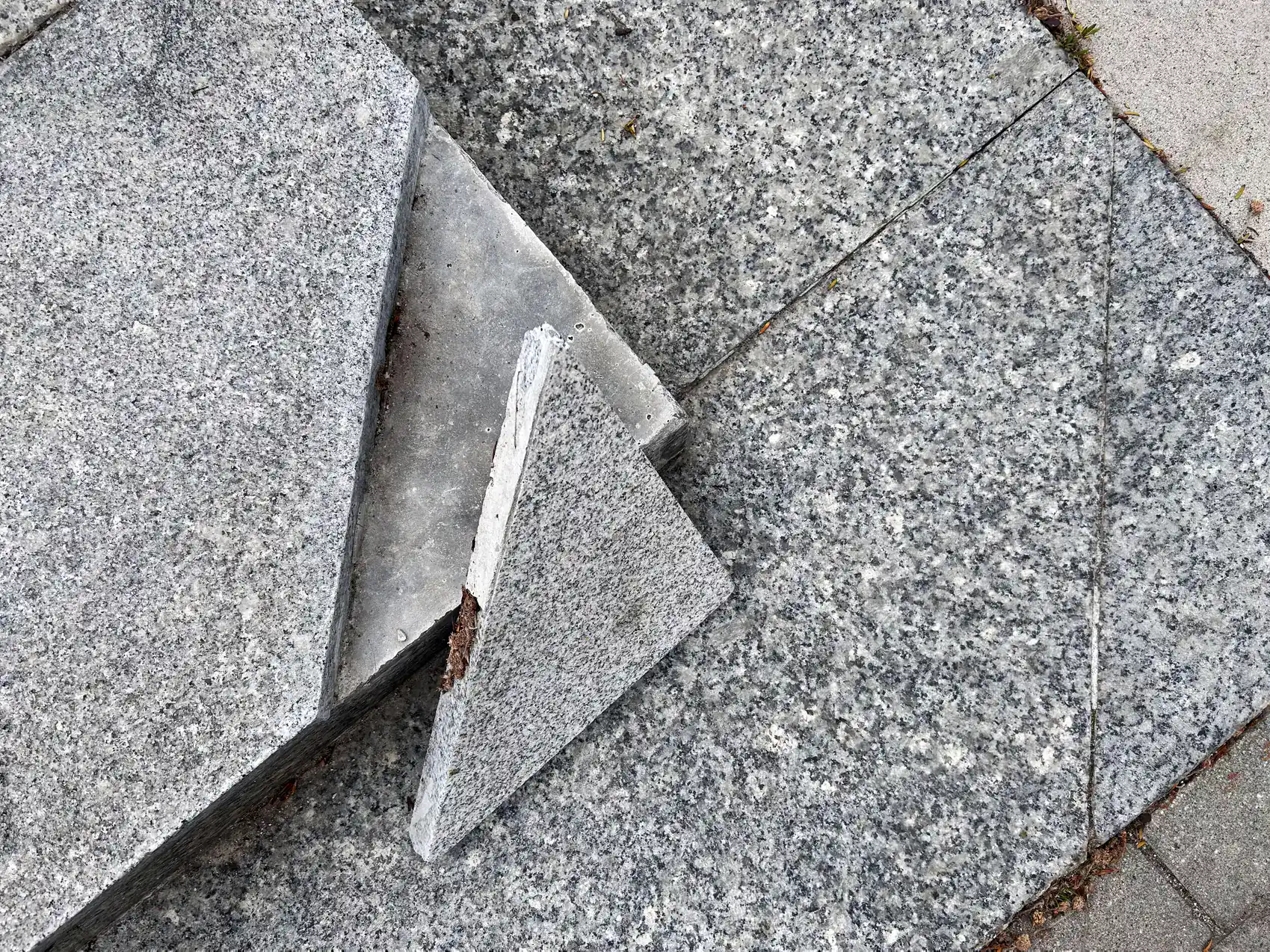
Your stone floor repair in St. Nicholas Historic District covers everything from cracked stoops to damaged interior marble. We handle brownstone that’s spalling from water damage, limestone that’s eroding from pollution exposure, and terra cotta that’s cracked from structural settlement.
The work includes proper surface preparation you can’t just slap filler over damaged stone and expect it to hold. We remove loose material, clean the substrate, and ensure proper adhesion. For cracks, we use consolidants that penetrate deep and actually strengthen the stone rather than just covering the problem.
St. Nicholas Historic District properties face specific challenges. Your buildings are over 130 years old, they’re exposed to harsh NYC weather cycles, and they’re subject to landmark regulations that limit what repairs are acceptable. We navigate those constraints regularly. The row houses on West 138th and 139th Streets have similar construction methods and materials, which means we’ve likely worked on buildings nearly identical to yours and know exactly what approaches the LPC approves.
How much does stone crack repair cost in St. Nicholas Historic District?
It depends entirely on the extent of damage and what’s causing it. A simple crack fill on a brownstone stoop might run a few hundred dollars. Repairing spalled limestone sections on your facade with proper material matching and landmark compliance could run several thousand.
Here’s what actually determines your cost: the amount of stone that needs repair, whether we’re filling cracks or replacing entire sections, how accessible the damage is, and whether your building requires landmarks approval. Scaffolding adds cost. Matching rare stone adds cost. Rush timelines add cost.
We don’t give ballpark estimates over the phone because they’re useless. Your 1891 brownstone has different needs than your neighbor’s limestone building. We assess the actual damage, identify the underlying cause, and give you a real number based on what your specific property needs not some generic average that doesn’t apply to your situation.
Will stone repair work match my historic building's original appearance?
Yes, if it’s done correctly with proper materials and techniques. That’s the entire point of historic stone restoration making repairs invisible while preserving architectural integrity.
We match stone by composition, color, texture, and finish. Your brownstone has specific characteristics based on the quarry it came from in the 1890s. We source replacement stone or repair materials that match those characteristics. For limestone and marble, we match the grain pattern and veining. The Landmarks Preservation Commission requires this level of matching for St. Nicholas Historic District properties, and we’ve been meeting their standards for decades.
The catch is that fresh stone repair always looks slightly different initially. Natural stone weathers and develops patina over time. A brand new repair on 130-year-old stone will look newer that’s unavoidable. But within a year or two of weather exposure, properly matched stone blends in completely. Poor matches never blend in, which is why material selection matters more than most contractors realize.
Do I need Landmarks Preservation Commission approval for stone repairs?
For St. Nicholas Historic District properties, yes most exterior stone repair requires LPC approval before work begins. The district has been landmark-designated since 1967, which means exterior alterations need permits.
Minor repairs sometimes qualify for staff-level approval, which is faster. More extensive restoration work requires full commission review. The difference depends on how much stone you’re replacing, whether you’re changing any architectural details, and how visible the work is from the public right-of-way.
We handle the LPC application process regularly. You’ll need documentation showing existing conditions, proposed repair methods, and material specifications. The commission wants to see that repairs match original materials and maintain the building’s historic character. They reject applications that propose inappropriate materials or techniques that would damage historic fabric. Since we know what they approve and what they don’t, we spec the work correctly from the start which means you’re not resubmitting applications or redoing rejected work.
How long does stone repair take on a historic property?
The actual repair work might take days or weeks depending on scope. The full timeline including permits and approvals can stretch months for landmark properties.
A straightforward stone chip repair in St. Nicholas Historic District fixing damaged corners on your stoop, filling cracks in brownstone might take a few days once we start. Extensive facade restoration involving multiple stone replacements, repointing, and structural repairs could take weeks. Weather matters too. We can’t do certain stone repair work in freezing temperatures because mortars and consolidants won’t cure properly.
For landmark properties, add time for LPC review. Staff-level approvals might take a few weeks. Full commission review can take two to three months. If your building needs Local Law 11 compliance and you’re facing deadlines, that timeline pressure is real. We prioritize projects with compliance deadlines, but the LPC moves at their own pace regardless of your urgency.
What causes stone damage on St. Nicholas Historic District buildings?
Water infiltration causes most of the stone damage we repair in Harlem’s historic district. Water gets behind the stone facing through failed mortar joints, cracks, or inadequate flashing. Then freeze-thaw cycles do the real damage water expands when it freezes, creating pressure that cracks stone and causes spalling.
Your brownstone and limestone are porous materials. They absorb water, especially after 130 years of weathering has opened up the stone’s surface. When that absorbed water freezes, the expansion forces literally break the stone apart from the inside. You see this as flaking surfaces, corner damage, and horizontal cracks.
Pollution accelerates deterioration too. Sulfur dioxide from vehicle exhaust and industrial emissions combines with moisture to form weak sulfuric acid. Over decades, this acid rain slowly dissolves limestone and marble. The white limestone trim on north-side buildings in St. Nicholas Historic District shows this erosion clearly fine details get softer and surfaces become pitted. Salt from winter sidewalk treatment also damages stone at ground level. It crystallizes inside the stone and creates pressure similar to freeze-thaw cycles, causing the same spalling and surface loss you’re trying to prevent.
Can you repair stone floors inside historic St. Nicholas District properties?
Yes. Interior stone floor repair in St. Nicholas Historic District is actually simpler than exterior work in some ways no weather exposure, no landmark approval requirements for interior alterations, and more controlled working conditions.
We repair cracked marble floors, chipped limestone thresholds, damaged slate tiles, and worn granite surfaces. Interior stone damage usually comes from impact dropped objects, furniture dragged across floors, or settlement cracks from structural movement. The repair approach depends on the damage type. Cracks get filled with color-matched epoxy or polyester resins. Chips get rebuilt with stone dust and resin compounds. Worn surfaces get reground and repolished using diamond abrasives.
The goal is making your interior stone look like the damage never happened. For floors, that means matching not just color but also finish level. Your marble entry floor probably has a polished finish. Your slate might be honed. We match that finish across the repair so you don’t see a glossy patch on a matte floor or vice versa. Many of the St. Nicholas Historic District row houses have original marble floors in entries and hallways those are worth restoring correctly rather than covering with carpet or replacing with modern materials that don’t match your building’s character.
Other Services we provide in St. Nicholas Historic District