Serving NYC & Long Island
info@nycstonecare.com
24/7 Availability
Hear from Our Customers
You’re not just fixing what’s broken. You’re protecting what you paid for.
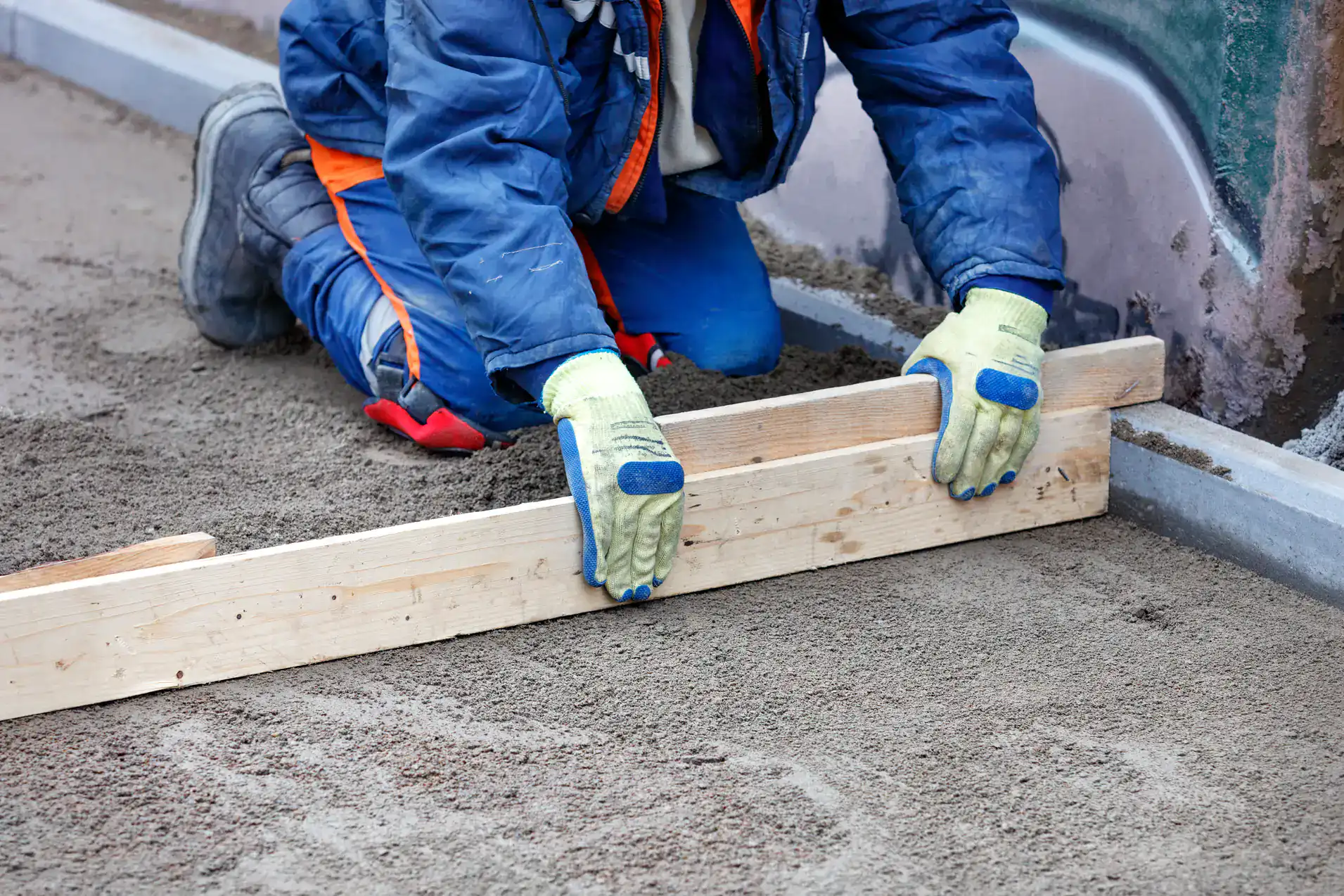
Stone restoration in St. Nicholas Historic District, NY means your marble floors look like they did in 1891 without the six-figure replacement bill. It means your limestone steps stop crumbling and start holding value again. It means you can walk through your home without wincing at every crack or stain that’s been eating at you for months.
Most people think restoration is about aesthetics. It is but it’s also about stopping small problems before they become structural ones. A crack in your marble foyer isn’t just ugly. Left alone, it spreads. Water gets in. The stone shifts. What could’ve been fixed in an afternoon becomes a multi-day job with scaffolding and permits.
Stone floor restoration in St. Nicholas Historic District saves you time and money because we’re catching the damage early. We’re using diamond abrasive grinding to remove years of wear without removing the stone itself. And we’re doing it in homes just like yours row houses built by the same crews, with the same materials, facing the same weather patterns for over a century.
NYC Stone Care is a family-owned stone restoration company. We’ve been working on natural stone surfaces across New York City for over 40 years, and a lot of that work has been right here in Harlem.
St. Nicholas Historic District isn’t just another job site for us. These row houses were built between 1891 and 1893 by David H. King Jr., and the stone used back then marble, limestone, terracotta requires specific knowledge to restore correctly. You can’t treat a 130-year-old limestone facade the same way you’d treat a granite countertop installed last year.
We’ve worked on landmark buildings, museums, and theaters across the city. But we’ve also worked on private homes along West 138th and 139th Streets where the stone is original, the owners care deeply about preservation, and the work has to meet Landmarks Preservation Commission standards. That’s the level of care we bring to every project, whether it’s a full brownstone facade or a single marble threshold that’s seen better days.
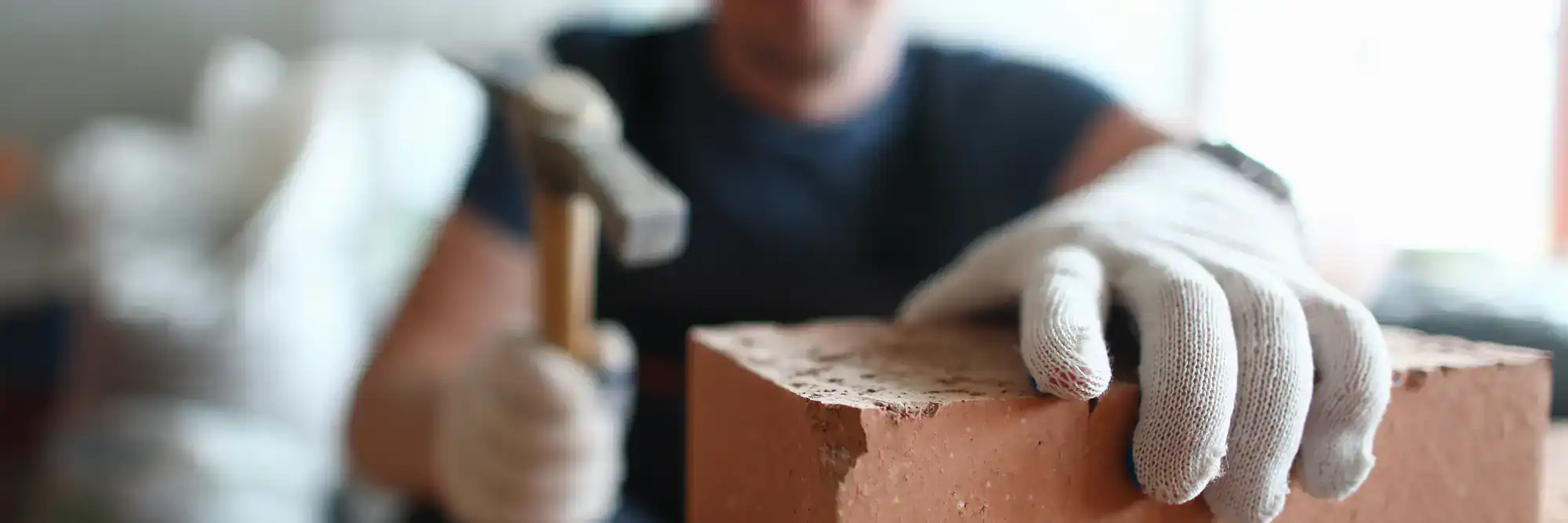
First, we come to you. We assess the stone in person no phone estimates, no guessing. We need to see the cracks, the staining, the wear patterns. We need to know if it’s surface damage or something deeper.
Once we know what we’re dealing with, we explain what needs to happen. If it’s a marble floor, we’re likely using diamond abrasive grinding to remove scratches and etching, then polishing it back to its original finish. If it’s limestone that’s flaking, we’re stabilizing it, filling voids, and matching the texture so the repair blends invisibly. If it’s a brownstone stoop with freeze-thaw damage, we’re addressing the underlying moisture issue before we touch the surface.
The work itself depends on the scope, but most stone surface restoration projects in St. Nicholas Historic District take anywhere from a few hours to a few days. We’re not tearing anything out. We’re not replacing sections unless the stone is truly beyond saving and that’s rare. What we’re doing is recovering the stone’s original look using techniques that have been refined over decades.
After we’re done, the stone isn’t just cleaner. It’s protected. We can apply sealants that prevent future staining. We can recommend maintenance schedules that keep the stone looking good without constant intervention. And if something does come up down the road, we’re still here.
Ready to get started?
Every stone restoration service in St. Nicholas Historic District starts with an honest evaluation. We’re not upselling you on work you don’t need, and we’re not cutting corners on work you do.
For marble restoration near St. Nicholas Historic District, that usually means grinding, honing, and polishing. We remove surface damage, restore clarity, and bring back the shine or leave it matte, depending on what you want. For limestone and brownstone, it’s more about stabilization and repair. We’re filling cracks, replacing missing sections with material that matches the original, and treating the stone so it doesn’t continue deteriorating.
Harlem’s climate is tough on stone. You’ve got freeze-thaw cycles in winter, humidity in summer, and a century of pollution baked into the surface. That’s why stone refinishing in St. Nicholas Historic District isn’t a one-size-fits-all process. A marble threshold that’s been exposed to road salt needs different treatment than an interior floor that’s just scratched from foot traffic.
We also handle terracotta, slate, granite, and soapstone. If it’s natural stone and it’s in your home, we’ve restored it before. And because we’ve been doing this in New York City for over 40 years, we know how to work within the constraints of landmark buildings tight timelines, strict material requirements, and the occasional surprise when we peel back a layer and find something unexpected.
Restoration costs a fraction of replacement usually somewhere between 20% and 40% of what you’d pay to tear out and reinstall new stone.
Replacing a marble floor means demolition, disposal, sourcing new material, fabrication, and installation. You’re looking at weeks of work and tens of thousands of dollars, depending on the size. Restoring that same floor means grinding, polishing, and sealing often done in a day or two, with no demolition and no downtime.
For brownstone or limestone facades in St. Nicholas Historic District, the cost difference is even more dramatic. Replacing deteriorated stone on a historic row house isn’t just expensive it often requires Landmarks Preservation Commission approval, which adds time and complexity. Restoration lets you keep the original material, maintain historical authenticity, and stay within budget.
Yes, but it takes experience. Matching 130-year-old stone isn’t about finding something that looks close it’s about understanding the quarry sources, the mineral composition, and the aging process.
A lot of the limestone used in St. Nicholas Historic District came from specific quarries that aren’t operating anymore. That means we’re either sourcing reclaimed stone from salvage yards or working with suppliers who carry historically accurate materials. We’re also matching texture, color variation, and weathering patterns so the repair doesn’t stand out.
For marble, it’s a bit easier because marble is still widely available, but matching the veining and finish requires skill. We’ve been doing this long enough that we know which suppliers carry what, and we know how to blend new sections with old stone so the transition is invisible.
Not if it’s done correctly. That’s the whole point of professional stone restoration we’re preserving the original material, not removing it.
Diamond abrasive grinding is a controlled process. We’re removing microns of surface material to eliminate scratches, etching, and stains. We’re not grinding down to fresh stone unless we have to, and we’re not using harsh acids or abrasives that eat away at the surface. A lot of “cleaning companies” will use aggressive chemicals that do more harm than good. We don’t.
For structural repairs like filling cracks or stabilizing flaking limestone we’re using materials that bond with the original stone without causing further stress. The goal is always to extend the life of the stone, not compromise it. And because we’ve worked on landmark buildings across New York City, we’re held to the same standards as museum-grade restoration work.
It depends on the scope, but most projects take anywhere from a few hours to a few days.
A single marble floor might be done in an afternoon. A full brownstone stoop with multiple damaged sections could take a week. The timeline depends on the size of the area, the extent of the damage, and whether we’re working on interior or exterior stone.
Exterior work in St. Nicholas Historic District sometimes requires permits, especially if the building is landmarked. That can add time to the process, but the actual restoration work is usually faster than you’d expect. We’re not tearing anything out, so there’s no demolition phase. We’re not waiting for new materials to be fabricated, so there’s no lead time. We show up, assess, restore, and you’re done.
It depends on what you’re doing. Routine maintenance and restoration usually don’t require Landmarks Preservation Commission approval, but any work that alters the appearance or involves replacement might.
If you’re restoring a marble floor inside your home, you’re fine. If you’re repairing cracks in your limestone facade without changing the material or finish, you’re also fine. But if you’re replacing sections of brownstone or altering the profile of your stoop, you’ll likely need to file with the LPC.
We’ve worked on enough landmark properties in New York City to know what triggers review and what doesn’t. If your building is within the St. Nicholas Historic District boundaries which it probably is if you’re on West 138th or 139th Street between Adam Clayton Powell Jr. Boulevard and Frederick Douglass Boulevard we can walk you through the process and make sure the work is compliant. The last thing you want is to invest in restoration only to get flagged for a violation later.
Keep it clean, keep it sealed, and don’t use the wrong products.
For marble and limestone, that means regular dusting or damp mopping with a pH-neutral cleaner. No vinegar, no bleach, no acidic cleaners. Those will etch the surface and undo the restoration work. For exterior stone like brownstone, it means periodic inspections to catch cracks or moisture intrusion early.
Sealing is important, especially for porous stones like limestone and marble. A good sealer prevents staining and makes routine cleaning easier, but it’s not permanent. Depending on the stone and the traffic it sees, you’ll want to reseal every few years.
We can set you up with a maintenance plan that makes sense for your home. Some clients want us to come back annually for a quick inspection and touch-up. Others just want to know what to do themselves. Either way, the goal is to keep the stone looking good without constant intervention.
Other Services we provide in St. Nicholas Historic District