
Marble Polishing in St. Nicholas Historic District, NY
Your Historic Marble Deserves More Than Generic Cleaning
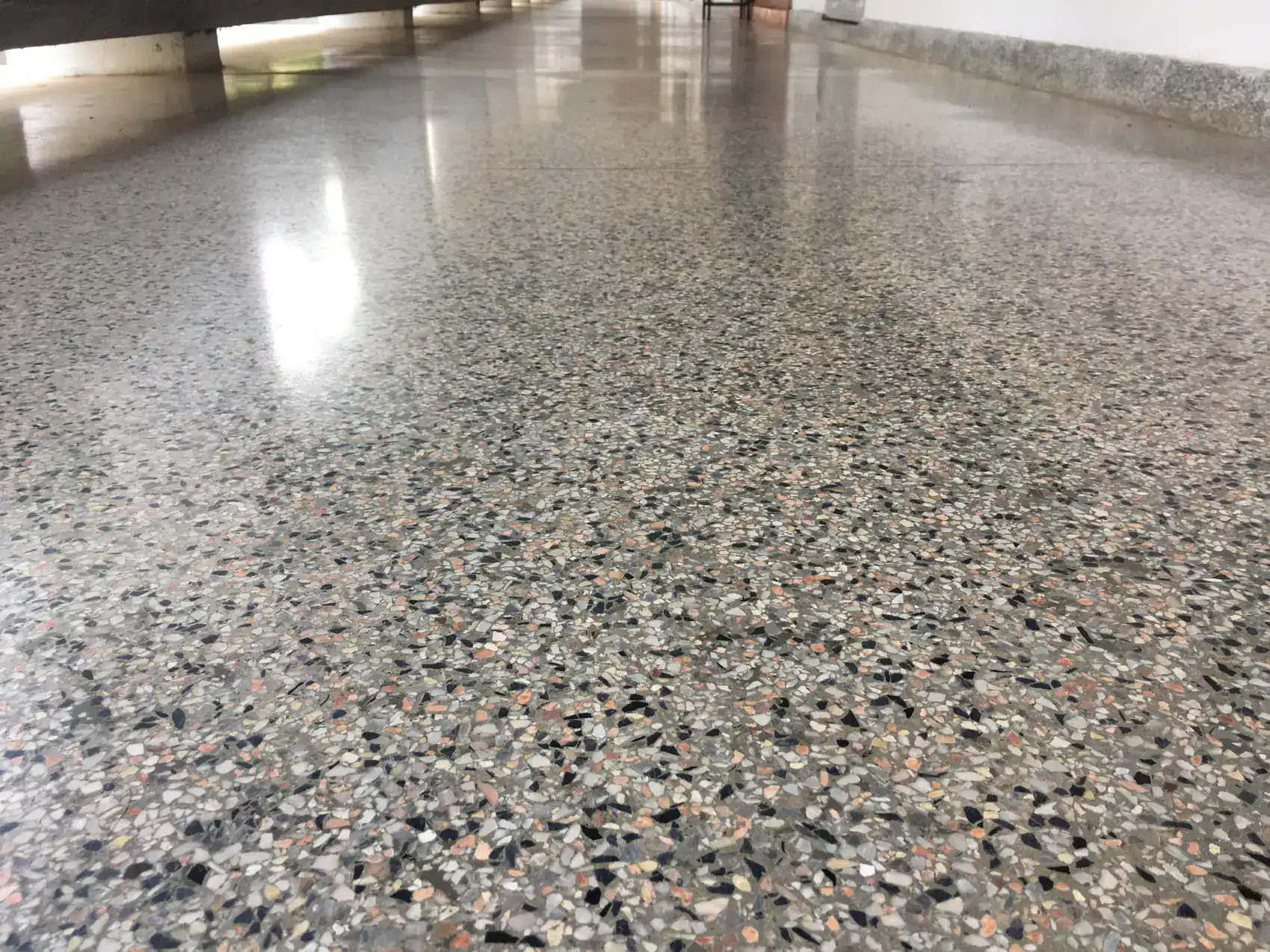
Hear from Our Customers
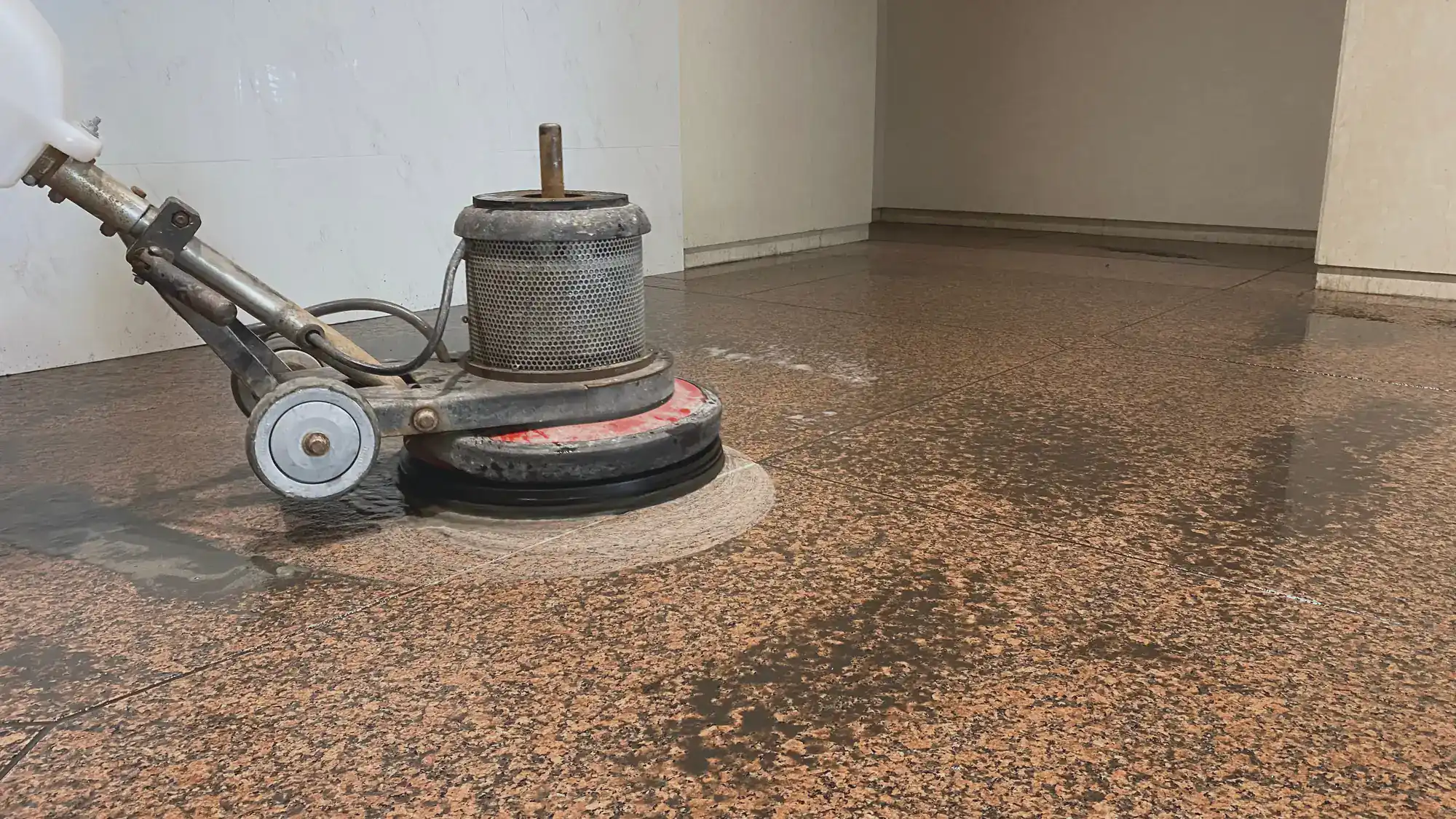
Stone Polishing Service St. Nicholas Historic District
Your marble loses its shine from daily foot traffic, acidic spills, and harsh winter conditions. Salt tracked in from sidewalks, moisture from boots, and low humidity all leave their mark. Most cleaning products make it worse because they contain acids that etch the surface.
Professional marble floor polishing in St. Nicholas Historic District brings back the depth and clarity you remember when you first moved in. The reflection comes back. The dull spots disappear. The surface feels smooth again under your feet.
This isn’t about making old marble “look okay.” Diamond abrasive grinding removes the damaged layer and exposes fresh stone underneath. The finish we create matches what the factory produced when your marble was first cut. You get decades more life from surfaces that seemed beyond repair.
Marble Polishing Near You St. Nicholas Historic District
We’ve spent over a decade working on natural stone throughout Manhattan. We understand what St. Nicholas Historic District homeowners face because we’ve worked in these historic row houses before. The marble in your home isn’t generic builder-grade material. It requires someone who knows the difference.
Our craftsmen use wet-sanding methods with diamond pads. No dust. No harsh chemicals. We protect your floors, walls, and furniture with proper coverings before we start. You won’t find subcontractors doing the work because we don’t use them.
The Striver’s Row area demands a higher standard, and your home’s marble reflects that. We show up on time, do the work right, and don’t leave until you’re satisfied with how it looks.
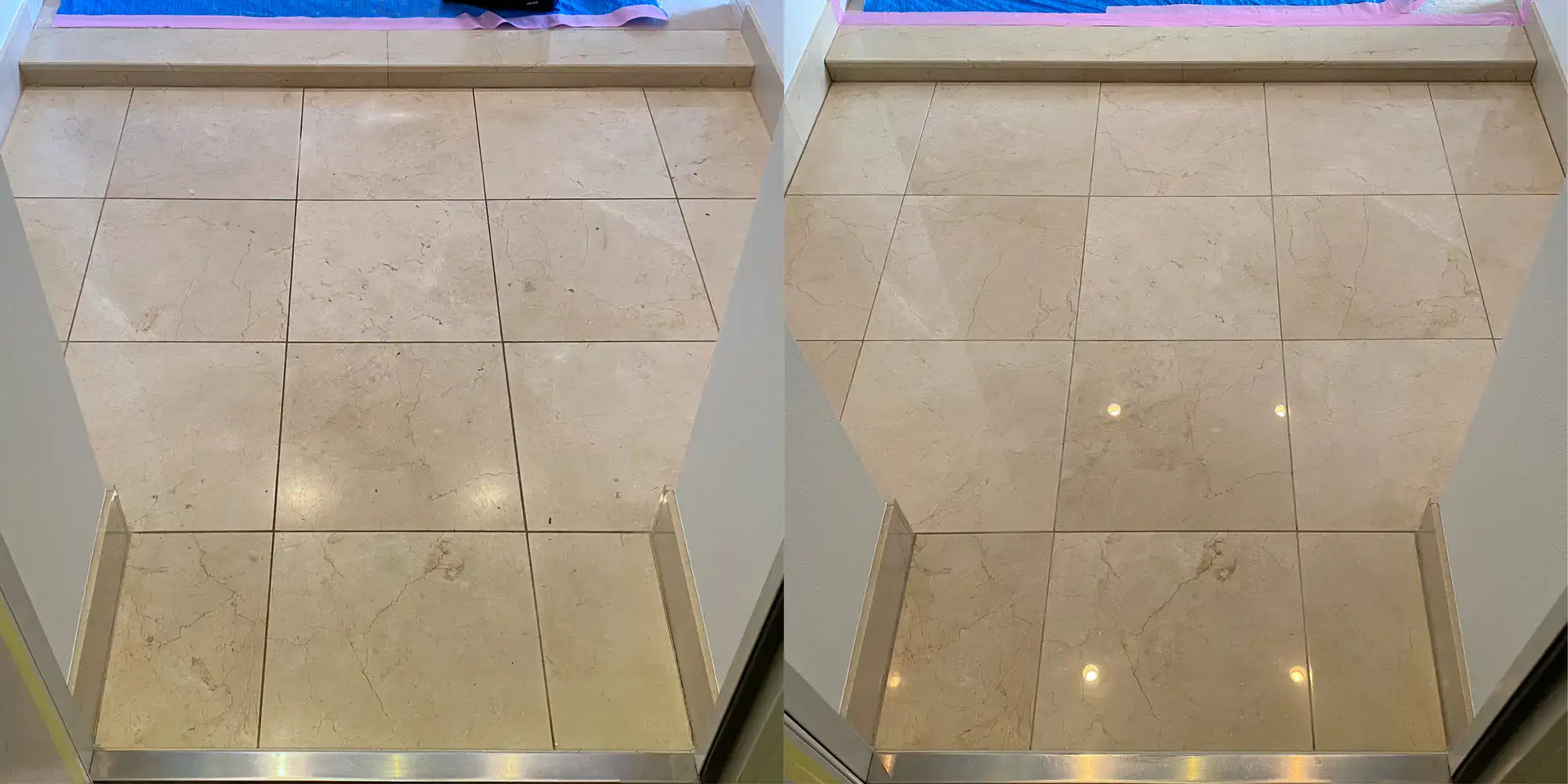
Marble Surface Polishing St. Nicholas Historic District
We start by protecting everything around the work area with plastic drop cloths and tape. Then we assess the damage level on your marble to determine which diamond grit sequence we’ll need.
The restoration uses progressively finer diamond abrasive pads with water. We start with coarser grits to remove etching, scratches, and stains. Each pass makes the surface smoother. The water keeps dust down and helps the diamonds cut more effectively. You can watch the dullness disappear as we work through the grits.
The final polishing stage brings out the natural shine in the stone. We’re not applying a coating that will wear off in six months. We’re creating a polished surface in the marble itself. After we finish, we clean everything thoroughly and remove all protective coverings. The whole process typically takes a day for an average-sized floor, depending on the condition and square footage.
Ready to get started?
Marble Polishing and Sealing St. Nicholas Historic District
Every marble floor polishing job in St. Nicholas Historic District includes a full assessment of your stone’s condition. We identify etching from acidic cleaners, stains from rust or organic materials, and scratches from furniture or grit. You’ll know what we’re fixing before we start.
The diamond abrasive grinding process removes surface damage down to fresh stone. We work through multiple grit levels until the marble is smooth and polished. Sealing comes after polishing if your stone needs it. Not all marble requires sealer, but we’ll recommend it if your specific stone type will benefit from the protection.
Historic homes in this area often have marble that’s been improperly maintained for years. Previous owners might have used acidic cleaners or let salt damage build up. We’ve seen marble that looked ruined come back to life after proper restoration. The stone in your entryway, bathroom, or kitchen can last another 50 years if you maintain it correctly. We’ll show you what products to avoid and how often your specific marble needs professional attention based on your household’s traffic patterns.

How often does marble flooring in historic homes need professional polishing?
Most marble floors in St. Nicholas Historic District homes need professional attention every 12 to 18 months. High-traffic areas like entryways might need it sooner, especially after winter when salt damage accumulates.
Your marble tells you when it needs work. If the surface looks dull even after cleaning, or if you see etching from spills, it’s time. Waiting too long means deeper damage that takes more work to fix.
Regular polishing prevents the kind of deterioration that leads to crumbling and rust stains. Think of it like maintaining your roof. Small investments in scheduled care save you from major restoration costs later. The marble in these historic row houses has already lasted over a century. Proper maintenance keeps it going for your lifetime and beyond.
What's the difference between cleaning marble and actually polishing it?
Cleaning removes dirt and grime from the surface. Polishing removes a microscopic layer of damaged stone to expose fresh marble underneath. You can’t clean your way out of etching, scratches, or dullness.
Most household cleaners contain acids that etch marble. Even “natural” products with lemon or vinegar cause damage. When you see dull spots or white marks, that’s acid burn in the stone itself. No amount of scrubbing fixes it because the damage is permanent until someone grinds it away.
Professional marble surface polishing in St. Nicholas Historic District uses diamond abrasives with water to cut away the damaged layer. We’re physically changing the stone’s surface, not just making it look temporarily better. The shine we create comes from the stone itself, not from a coating or chemical treatment that wears off.
Can you fix deep scratches and etching in historic marble?
Yes. Most damage in marble isn’t as deep as you think. Even scratches that look severe are usually thinner than a human hair. Diamond grinding removes enough stone to get below the damage while preserving the overall surface.
Etching from acidic spills creates dull spots where the acid dissolved the marble’s polished surface. These marks feel rough to the touch. We grind through the etched layer until we reach undamaged stone, then polish it back to match the surrounding area.
The exception is deep gouges from dropped objects or cracks from structural issues. Those need repair before polishing. We fill them with color-matched materials, let them cure, then grind and polish everything together. The result isn’t invisible, but it’s far better than leaving damage exposed. Your marble’s longevity depends on fixing problems before they spread.
Will the polishing process damage my historic home's other surfaces?
No. We protect everything before we start. Baseboards, walls, furniture, and adjacent flooring all get covered with plastic sheeting and tape. The wet-sanding method we use keeps dust minimal, but we still treat your home like the valuable property it is.
Water stays contained to the work area. We use specialized equipment that controls water flow and immediately extracts it. You won’t have puddles spreading into other rooms or seeping under baseboards. Our team has worked in enough historic St. Nicholas Historic District homes to know how to protect original woodwork and plaster.
The biggest risk to your home isn’t our process. It’s hiring someone who doesn’t know what they’re doing. Inexperienced contractors use harsh chemicals, create dust clouds, or damage surrounding areas through carelessness. We’ve been called in to fix those disasters. Proper stone polishing service in St. Nicholas Historic District requires experience with historic properties, not just equipment and chemicals.
How long does professional marble polishing last before I need it again?
Expect 12 to 18 months in normal conditions. Entryways and kitchens with heavy use might need attention sooner. Bathrooms with less traffic can go longer between services.
How you maintain the marble between professional polishing makes a difference. Use pH-neutral cleaners only. Wipe up spills immediately, especially anything acidic like wine, coffee, or tomato sauce. Put mats at entrances during winter to catch salt before it reaches your marble.
Your marble’s specific type also affects longevity. Softer marbles show wear faster than harder varieties. The finish level matters too a high-gloss polish shows imperfections more readily than a honed finish. We’ll give you realistic expectations based on your actual stone and household conditions. Most St. Nicholas Historic District homeowners find that annual or bi-annual service keeps their marble looking excellent without emergency restoration needs.
What should I look for when hiring a marble polishing company?
Ask how long they’ve worked specifically with marble, not just “stone.” Marble is softer and more sensitive than granite. Techniques that work on granite can damage marble. You want someone who understands the difference and has years of experience with marble specifically.
Find out if they do the work themselves or subcontract it. Subcontractors mean less control over quality and training. Ask about their process they should mention diamond abrasives, wet-sanding, and multiple grit levels. If they talk about chemicals and coatings instead, they might not know proper restoration methods.
Check if they’ve worked in historic homes before. The St. Nicholas Historic District has specific considerations. Your home’s marble might be original to the 1890s construction. It needs someone who respects that history and knows how to work around period details without causing damage. References from other historic homeowners in the area tell you more than generic online reviews.
Other Services we provide in St. Nicholas Historic District