
The Benefits of Stone Resurfacing: Save Money and Enhance Your Home’s Appeal

Stone resurfacing offers Long Island homeowners an affordable alternative to replacement, restoring damaged surfaces while preserving your investment.

Share:

Summary:

Your stone surfaces don’t need complete replacement when they start showing wear. Stone resurfacing provides a cost-effective solution that restores granite, marble, and natural stone to their original beauty. This process removes surface damage while preserving your existing investment. Learn how resurfacing can transform your worn stone surfaces and save thousands compared to full replacement.
Table of contents
Your beautiful stone surfaces were a significant investment. When they start showing scratches, stains, or dullness, replacement might seem like the only option. But stone resurfacing offers a smarter alternative that restores your surfaces to like-new condition while saving you thousands of dollars. Whether you’re dealing with etched marble countertops or scratched granite floors, resurfacing can bring back that original elegance without the cost and hassle of complete replacement.

What Is Stone Resurfacing and How Does It Work

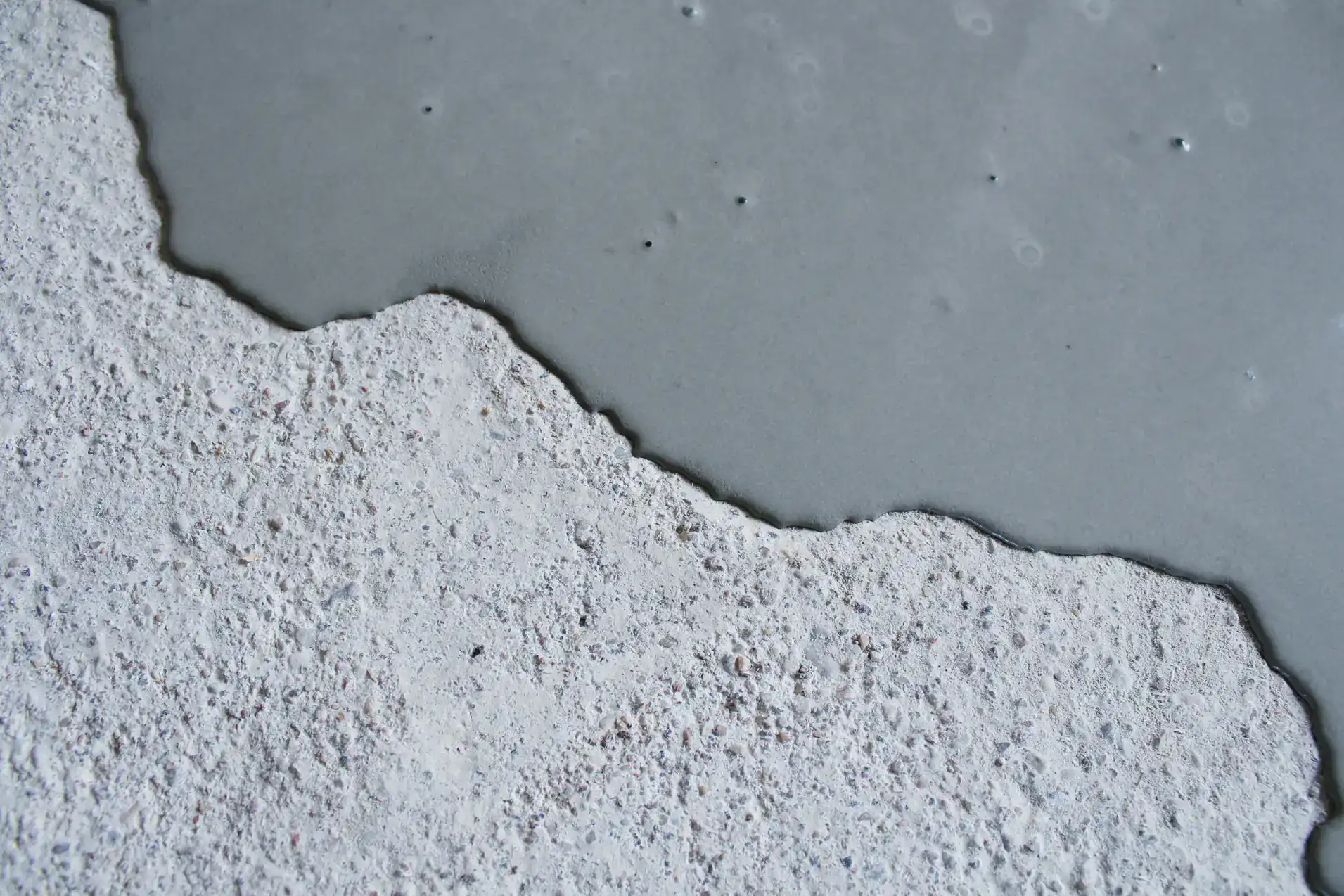
Stone resurfacing is a professional restoration process that removes the damaged top layer of your stone surface to reveal fresh, undamaged material underneath. Think of it as giving your stone a fresh start without starting over completely.

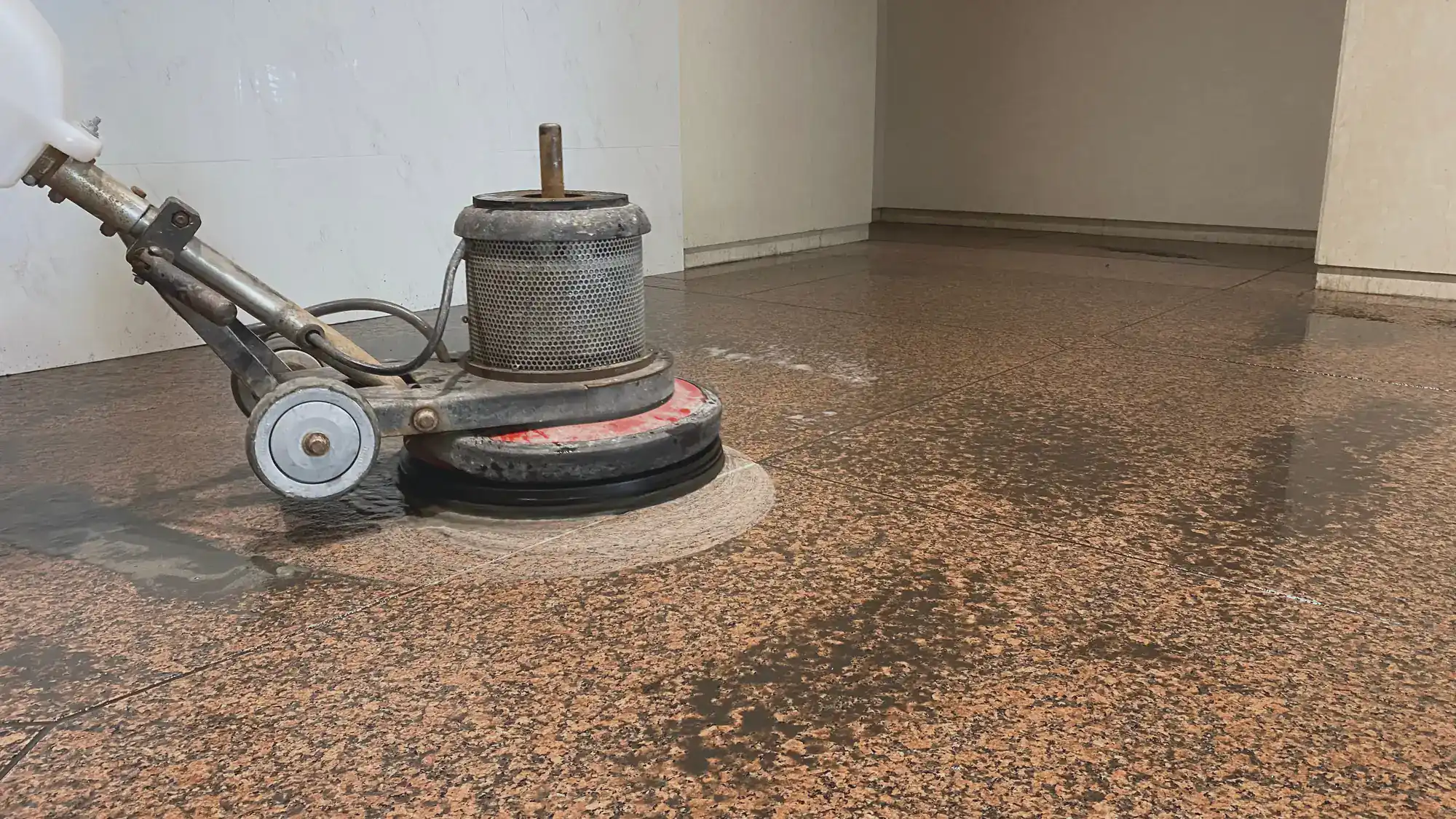
The process uses specialized diamond abrasives to carefully strip away surface imperfections. This removes scratches, etch marks, stains, and dullness that have built up over time. What you’re left with is essentially a brand-new surface that matches the original stone’s color and properties.

Unlike simple cleaning, resurfacing actually removes damaged stone material and creates a completely renewed surface. The result looks and feels like your stone did when it was first installed.

The Step-by-Step Stone Resurfacing Process

Professional stone resurfacing follows a precise multi-step process designed to achieve flawless results. The work begins with a thorough assessment of your stone’s condition and damage level.

First, any existing sealers are stripped away using specialized cleaning solutions. This ensures the resurfacing process can reach the actual stone surface. Next, diamond abrasives are used to remove the damaged top layer. The depth of removal depends on how deep the damage goes – sometimes just a few thousandths of an inch is enough.

The newly revealed surface is then progressively polished using finer and finer abrasives. This creates the desired finish, whether you prefer a high-gloss polish, satin hone, or matte finish. Each step builds on the previous one to create a smooth, even surface.

Finally, a high-quality sealer is applied to protect your newly resurfaced stone. This sealer penetrates deep into the stone to provide long-lasting protection against stains and damage. The entire process typically takes one to two days depending on the size of the area.

Quality resurfacing work should be virtually undetectable. When done properly, you won’t be able to tell where the original stone ends and the resurfaced area begins. The color, pattern, and finish should match perfectly across the entire surface.

Types of Stone Damage That Resurfacing Can Fix

Stone resurfacing can address a wide range of surface damage that develops over years of use. Etch marks from acidic substances like lemon juice, wine, or cleaning products are among the most common problems, especially on marble and limestone surfaces.

Surface scratches from daily use, whether from kitchen utensils, furniture, or foot traffic, can make even expensive stone look worn and tired. These scratches catch light differently than the surrounding surface, creating an uneven appearance that resurfacing eliminates completely.

Stains that have penetrated the surface layer can often be removed through resurfacing when traditional cleaning methods fail. This includes organic stains from food and beverages, as well as mineral deposits from hard water. Oil-based stains that have darkened stone over time typically disappear when the stained layer is removed.

Dullness and loss of shine naturally occur over time, especially in high-traffic areas. This happens when microscopic scratches accumulate on the surface, scattering light instead of reflecting it cleanly. Resurfacing removes these micro-scratches and restores the original reflective properties.

Uneven wear patterns, where some areas of stone appear different from others, can also be corrected. This often happens around sinks, stoves, or other frequently used areas. Resurfacing brings the entire surface back to a uniform appearance and finish level.

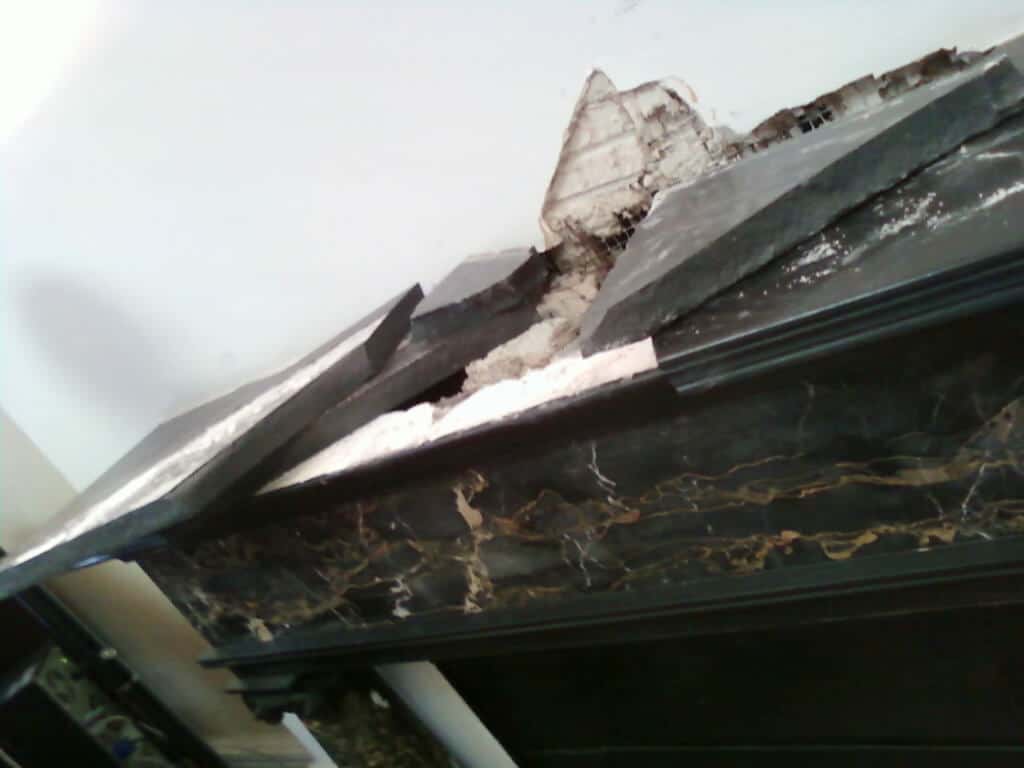
Even some types of physical damage, like small chips or minor cracks, can be addressed during the resurfacing process. While deep structural damage requires different repair techniques, surface-level imperfections often disappear completely when the damaged layer is removed.

Cost Benefits of Stone Resurfacing vs Replacement

The financial advantage of resurfacing over replacement is substantial. While complete stone replacement can cost thousands of dollars, professional resurfacing typically costs a fraction of that amount while delivering comparable visual results.

Replacement involves demolition, disposal, material costs, and installation – all of which add up quickly. Resurfacing works with your existing stone, eliminating most of these expenses. You’re essentially getting a new-looking surface at a fraction of the replacement cost.

The time savings are equally significant. Replacement projects can take weeks when you factor in ordering materials, scheduling contractors, and dealing with the disruption. Resurfacing usually completes in one to two days with minimal disruption to your daily routine.

Real Cost Comparisons for Long Island Homeowners

Understanding the actual numbers helps put the value of resurfacing in perspective. Kitchen countertop replacement in the Long Island area typically ranges from $3,000 to $8,000 or more, depending on the stone type and square footage involved.

Professional stone resurfacing for the same area usually costs between $800 to $2,500, representing savings of 50% to 75% compared to replacement. Even when you factor in the longevity of the results, resurfacing provides exceptional value for the investment.

The 50% rule provides a good guideline for decision-making: if resurfacing costs more than 50% of replacement cost, replacement might make more sense. However, this situation is relatively rare given the significant cost difference between the two approaches.

Labor costs also favor resurfacing significantly. Replacement requires demolition crews, disposal services, templating, fabrication, and installation teams. Resurfacing requires only the restoration technicians, reducing labor costs dramatically while still delivering professional results.

Material costs tell a similar story. Replacement requires purchasing entirely new stone slabs, which represent a major expense especially for premium materials like exotic granites or rare marbles. Resurfacing works with your existing stone investment, preserving the material value you’ve already paid for.

Hidden costs of replacement include potential plumbing modifications, electrical work, cabinet adjustments, and decorative elements that may need updating to match new stone. Resurfacing avoids these complications entirely since your existing stone stays in place.

Long-Term Value and Investment Protection

Stone resurfacing protects your original investment while extending its useful life significantly. Quality natural stone represents a substantial investment that shouldn’t be discarded simply because the surface shows wear.

Properly resurfaced stone can last another decade or more before needing attention again. This longevity makes the cost per year of use extremely favorable compared to replacement options. You’re essentially resetting the clock on your stone’s lifespan.

Home value considerations also favor resurfacing in many situations. Beautiful, well-maintained stone surfaces contribute significantly to home value and buyer appeal. Resurfacing maintains this value at a fraction of replacement cost while delivering the same visual impact.

The environmental benefits shouldn’t be overlooked either. Resurfacing keeps existing stone out of landfills while avoiding the environmental impact of quarrying, processing, and transporting new stone materials. This sustainable approach appeals to environmentally conscious homeowners.

Quality resurfacing work comes with warranties that protect your investment. We typically guarantee our work for several years, providing peace of mind that your investment is protected. This warranty coverage often matches or exceeds what you’d receive with new stone installation.

Maintenance requirements after resurfacing are typically lower than with aged stone surfaces. The fresh surface and new protective sealer mean your stone will stay looking great with routine care, reducing long-term maintenance costs and effort.

Making the Smart Choice for Your Stone Surfaces

Stone resurfacing offers Long Island homeowners a practical solution that combines cost savings with outstanding results. Rather than accepting worn, damaged stone or facing expensive replacement costs, resurfacing provides a third option that makes financial and practical sense.

The process restores your stone’s original beauty while preserving your investment and avoiding the disruption of replacement. With professional techniques and quality materials, resurfaced stone can look indistinguishable from new while costing significantly less.

When your stone surfaces need attention, consider the resurfacing option before committing to replacement. We’re here to discuss how resurfacing can restore your stone’s beauty and protect your investment for years to come.
Summary:

Your stone surfaces don’t need complete replacement when they start showing wear. Stone resurfacing provides a cost-effective solution that restores granite, marble, and natural stone to their original beauty. This process removes surface damage while preserving your existing investment. Learn how resurfacing can transform your worn stone surfaces and save thousands compared to full replacement.
Table of contents
Your beautiful stone surfaces were a significant investment. When they start showing scratches, stains, or dullness, replacement might seem like the only option. But stone resurfacing offers a smarter alternative that restores your surfaces to like-new condition while saving you thousands of dollars. Whether you’re dealing with etched marble countertops or scratched granite floors, resurfacing can bring back that original elegance without the cost and hassle of complete replacement.

What Is Stone Resurfacing and How Does It Work

Stone resurfacing is a professional restoration process that removes the damaged top layer of your stone surface to reveal fresh, undamaged material underneath. Think of it as giving your stone a fresh start without starting over completely.

The process uses specialized diamond abrasives to carefully strip away surface imperfections. This removes scratches, etch marks, stains, and dullness that have built up over time. What you’re left with is essentially a brand-new surface that matches the original stone’s color and properties.

Unlike simple cleaning, resurfacing actually removes damaged stone material and creates a completely renewed surface. The result looks and feels like your stone did when it was first installed.

The Step-by-Step Stone Resurfacing Process

Professional stone resurfacing follows a precise multi-step process designed to achieve flawless results. The work begins with a thorough assessment of your stone’s condition and damage level.

First, any existing sealers are stripped away using specialized cleaning solutions. This ensures the resurfacing process can reach the actual stone surface. Next, diamond abrasives are used to remove the damaged top layer. The depth of removal depends on how deep the damage goes – sometimes just a few thousandths of an inch is enough.

The newly revealed surface is then progressively polished using finer and finer abrasives. This creates the desired finish, whether you prefer a high-gloss polish, satin hone, or matte finish. Each step builds on the previous one to create a smooth, even surface.

Finally, a high-quality sealer is applied to protect your newly resurfaced stone. This sealer penetrates deep into the stone to provide long-lasting protection against stains and damage. The entire process typically takes one to two days depending on the size of the area.

Quality resurfacing work should be virtually undetectable. When done properly, you won’t be able to tell where the original stone ends and the resurfaced area begins. The color, pattern, and finish should match perfectly across the entire surface.

Types of Stone Damage That Resurfacing Can Fix

Stone resurfacing can address a wide range of surface damage that develops over years of use. Etch marks from acidic substances like lemon juice, wine, or cleaning products are among the most common problems, especially on marble and limestone surfaces.

Surface scratches from daily use, whether from kitchen utensils, furniture, or foot traffic, can make even expensive stone look worn and tired. These scratches catch light differently than the surrounding surface, creating an uneven appearance that resurfacing eliminates completely.

Stains that have penetrated the surface layer can often be removed through resurfacing when traditional cleaning methods fail. This includes organic stains from food and beverages, as well as mineral deposits from hard water. Oil-based stains that have darkened stone over time typically disappear when the stained layer is removed.

Dullness and loss of shine naturally occur over time, especially in high-traffic areas. This happens when microscopic scratches accumulate on the surface, scattering light instead of reflecting it cleanly. Resurfacing removes these micro-scratches and restores the original reflective properties.

Uneven wear patterns, where some areas of stone appear different from others, can also be corrected. This often happens around sinks, stoves, or other frequently used areas. Resurfacing brings the entire surface back to a uniform appearance and finish level.

Even some types of physical damage, like small chips or minor cracks, can be addressed during the resurfacing process. While deep structural damage requires different repair techniques, surface-level imperfections often disappear completely when the damaged layer is removed.

Cost Benefits of Stone Resurfacing vs Replacement

The financial advantage of resurfacing over replacement is substantial. While complete stone replacement can cost thousands of dollars, professional resurfacing typically costs a fraction of that amount while delivering comparable visual results.

Replacement involves demolition, disposal, material costs, and installation – all of which add up quickly. Resurfacing works with your existing stone, eliminating most of these expenses. You’re essentially getting a new-looking surface at a fraction of the replacement cost.

The time savings are equally significant. Replacement projects can take weeks when you factor in ordering materials, scheduling contractors, and dealing with the disruption. Resurfacing usually completes in one to two days with minimal disruption to your daily routine.

Real Cost Comparisons for Long Island Homeowners

Understanding the actual numbers helps put the value of resurfacing in perspective. Kitchen countertop replacement in the Long Island area typically ranges from $3,000 to $8,000 or more, depending on the stone type and square footage involved.

Professional stone resurfacing for the same area usually costs between $800 to $2,500, representing savings of 50% to 75% compared to replacement. Even when you factor in the longevity of the results, resurfacing provides exceptional value for the investment.

The 50% rule provides a good guideline for decision-making: if resurfacing costs more than 50% of replacement cost, replacement might make more sense. However, this situation is relatively rare given the significant cost difference between the two approaches.

Labor costs also favor resurfacing significantly. Replacement requires demolition crews, disposal services, templating, fabrication, and installation teams. Resurfacing requires only the restoration technicians, reducing labor costs dramatically while still delivering professional results.

Material costs tell a similar story. Replacement requires purchasing entirely new stone slabs, which represent a major expense especially for premium materials like exotic granites or rare marbles. Resurfacing works with your existing stone investment, preserving the material value you’ve already paid for.

Hidden costs of replacement include potential plumbing modifications, electrical work, cabinet adjustments, and decorative elements that may need updating to match new stone. Resurfacing avoids these complications entirely since your existing stone stays in place.

Long-Term Value and Investment Protection

Stone resurfacing protects your original investment while extending its useful life significantly. Quality natural stone represents a substantial investment that shouldn’t be discarded simply because the surface shows wear.

Properly resurfaced stone can last another decade or more before needing attention again. This longevity makes the cost per year of use extremely favorable compared to replacement options. You’re essentially resetting the clock on your stone’s lifespan.

Home value considerations also favor resurfacing in many situations. Beautiful, well-maintained stone surfaces contribute significantly to home value and buyer appeal. Resurfacing maintains this value at a fraction of replacement cost while delivering the same visual impact.

The environmental benefits shouldn’t be overlooked either. Resurfacing keeps existing stone out of landfills while avoiding the environmental impact of quarrying, processing, and transporting new stone materials. This sustainable approach appeals to environmentally conscious homeowners.

Quality resurfacing work comes with warranties that protect your investment. We typically guarantee our work for several years, providing peace of mind that your investment is protected. This warranty coverage often matches or exceeds what you’d receive with new stone installation.

Maintenance requirements after resurfacing are typically lower than with aged stone surfaces. The fresh surface and new protective sealer mean your stone will stay looking great with routine care, reducing long-term maintenance costs and effort.

Making the Smart Choice for Your Stone Surfaces

Stone resurfacing offers Long Island homeowners a practical solution that combines cost savings with outstanding results. Rather than accepting worn, damaged stone or facing expensive replacement costs, resurfacing provides a third option that makes financial and practical sense.

The process restores your stone’s original beauty while preserving your investment and avoiding the disruption of replacement. With professional techniques and quality materials, resurfaced stone can look indistinguishable from new while costing significantly less.

When your stone surfaces need attention, consider the resurfacing option before committing to replacement. We’re here to discuss how resurfacing can restore your stone’s beauty and protect your investment for years to come.
Article details:

Share:

Pin It on Pinterest