
The Ultimate Guide to Commercial Stone Repair in New York County, NY
Your complete guide to commercial stone repair in NYC, covering everything from damage assessment to professional restoration solutions.
Share:
Summary:
Understanding Commercial Stone Damage in NYC Buildings
Commercial stone surfaces in New York City face punishment that residential surfaces never see. The combination of heavy foot traffic, salt exposure from winter treatments, and the general hustle of city life creates a perfect storm for stone deterioration.
Most damage falls into predictable patterns. You’ll see scratches and scuffs in high-traffic areas like lobbies and entrances. Cracks often develop around stress points, particularly where stone meets other materials or around fixtures like sinks and water features.
The key is catching damage early. What starts as minor surface scratches can evolve into deeper problems that require more extensive repair. Regular assessment helps you stay ahead of issues before they become expensive headaches.
Common Types of Stone Damage in Commercial Properties
Different types of commercial spaces see different patterns of stone damage, but certain issues appear consistently across New York City properties.
Surface-level damage includes scratches, scuffs, and etching from acidic substances. These might seem minor, but they create a dull, worn appearance that affects your building’s professional image. Etching is particularly common on marble surfaces in areas where cleaning chemicals or acidic spills occur regularly.
Structural damage presents bigger challenges. Cracks can develop from building settlement, temperature changes, or improper installation. Chips and gouges often occur around high-impact areas like loading docks, service entrances, or anywhere heavy equipment gets moved regularly.
Staining represents another major category. Oil stains in parking areas, water stains from leaks or condensation, and general discoloration from years of use can make even structurally sound stone look neglected. The porous nature of many natural stones means stains can penetrate deep below the surface.
Weather-related damage is unavoidable in New York’s climate. Freeze-thaw cycles can cause existing small cracks to expand. Salt damage from winter de-icing creates both surface etching and deeper structural issues over time. UV exposure can cause certain stones to fade or change color, particularly in areas with large windows or outdoor installations.
Understanding these damage types helps you communicate effectively with contractors and make informed decisions about repair versus replacement. Most surface-level issues are easily repairable, while structural damage requires more assessment to determine the best approach.
Why Commercial Stone Fails: Installation and Maintenance Issues
Many commercial stone problems trace back to installation shortcuts or inadequate maintenance programs. Understanding these root causes helps prevent future issues and informs your repair strategy.
Poor installation planning creates long-term problems. Granite countertops crack around sinks not because granite is weak, but because inadequate support creates stress points. Heavy stone needs proper structural support and even weight distribution. When contractors cut corners on the foundation work, you’ll see cracks develop within the first few years.
Inadequate sealing represents another common failure point. Natural stone is porous and needs proper sealing to resist stains and moisture penetration. Many commercial installations skip this step or use inappropriate sealers that don’t match the stone type or usage patterns. The result is premature staining and deterioration.
Improper cleaning practices cause surprising amounts of damage. Well-meaning maintenance crews often use harsh chemicals or abrasive cleaning methods that gradually destroy stone surfaces. Acidic cleaners on marble create permanent etching. Abrasive scrubbing creates microscopic scratches that accumulate over time into visible dullness.
Environmental factors play a role too. Poor drainage around stone installations allows water to pool and penetrate. Inadequate climate control in buildings creates temperature and humidity swings that stress stone materials. Even something as simple as poor lighting can hide developing problems until they become major issues.
The good news is that understanding these failure patterns helps you choose repair contractors who address root causes, not just symptoms. Quality stone repair includes fixing underlying issues to prevent future problems.
Professional Stone Repair Process and Techniques
Professional stone repair involves much more than just filling cracks or polishing surfaces. The process starts with thorough assessment to understand both visible damage and underlying issues that might not be immediately obvious.
Proper stone repair follows a systematic approach. Assessment comes first – identifying damage types, testing stone composition, and determining the best repair methods. Then comes preparation work, which might involve cleaning, removing failed previous repairs, or addressing structural issues.
The actual repair work uses specialized materials and techniques matched to your specific stone type and damage patterns. Finally, finishing work ensures repairs blend seamlessly with existing surfaces and includes protective treatments to prevent future problems.
Advanced Repair Techniques for Different Stone Types
Different stone materials require different repair approaches, and experienced contractors adjust their techniques accordingly.
Granite repair typically involves epoxy-based solutions for cracks and chips. The key is color matching – granite’s complex patterns require careful blending of pigments to create invisible repairs. For significant cracks, contractors use flowing epoxy that penetrates deep into the damage, creating repairs as strong as the original stone. Surface refinishing involves diamond grinding and polishing to restore the original finish.
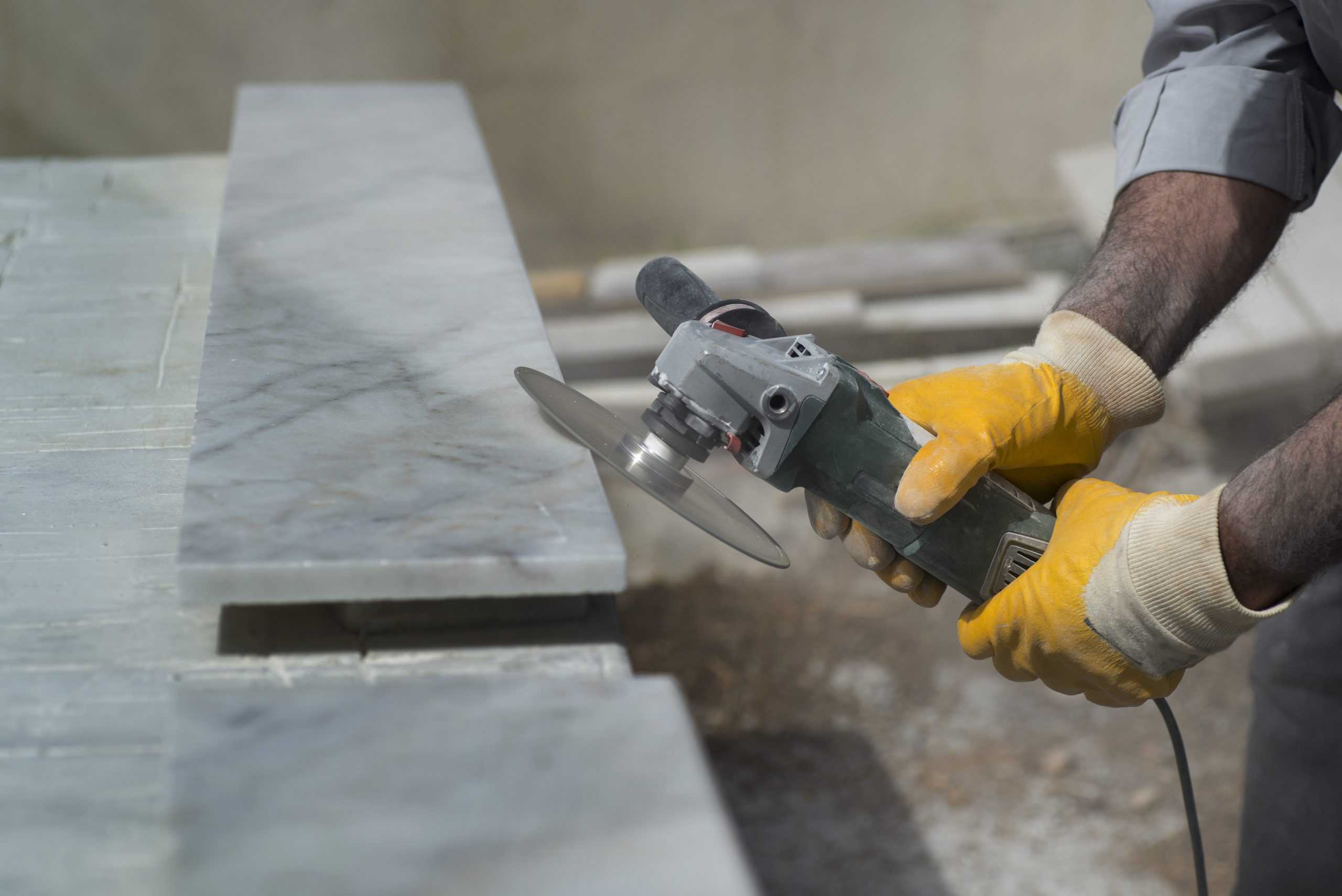
Marble restoration presents different challenges. Marble’s calcium carbonate composition means it reacts to acids, creating etching that requires specialized treatment. Surface restoration often involves diamond grinding to remove damaged layers, followed by progressive polishing to restore the original luster. Crack repair uses similar epoxy techniques to granite, but color matching is often easier due to marble’s more uniform patterns.
Limestone and travertine repairs focus heavily on filling natural voids and addressing porosity issues. These stones often have natural holes and variations that can collect dirt and debris over time. Professional repair involves cleaning these voids, filling with appropriate materials, and sealing to prevent future problems.
For all stone types, modern repair techniques use UV-stable materials that won’t yellow or degrade over time. Professional contractors also use specialized tools like variable-speed grinders, diamond polishing systems, and color-matching equipment that simply aren’t available to general maintenance crews.
The difference between professional repair and basic patching is dramatic. Professional work creates repairs that are virtually invisible and often stronger than the original stone. Basic patching creates obvious patches that often fail within a few years.
Why Choose NYC Stone Care for Your Commercial Stone Repair
When it comes to commercial stone repair in New York City, experience with your specific stone type matters enormously. We specialize in all natural stone materials and understand how each type responds to different repair approaches. Our team can discuss the specific characteristics of your stone and explain exactly how our methods account for those factors.
We maintain proper licensing and insurance for all commercial work, but our commitment goes beyond basic credentials. We invest heavily in ongoing training and professional development because stone care technology evolves constantly. Our team stays current with the latest materials and techniques to deliver the best possible results.
Our equipment and materials quality directly affects repair longevity. We use commercial-grade diamond tools, specialized epoxy systems, and color-matching equipment that ensure lasting repairs. We’re always happy to explain what materials we’ll use and why those materials are the right choice for your specific situation.
We’ve built our reputation serving property managers, building owners, and facility managers throughout New York City. Our clients appreciate our reliability, work quality, and ability to coordinate seamlessly with building operations. We understand the demands of commercial environments and plan our work to minimize disruption.
We provide transparent pricing and detailed proposals that break down labor, materials, and any additional services. You’ll always know exactly what to expect regarding timeline, access requirements, and any preparation work needed.
Communication is crucial for successful commercial projects. We coordinate effectively with other trades, building management, and tenants to ensure smooth project completion with minimal disruption to your operations.
Making Smart Decisions About Commercial Stone Repair
Commercial stone repair isn’t just about fixing visible damage – it’s about protecting your property investment and maintaining the professional appearance that reflects your business standards. The key is understanding that most stone damage is completely repairable when you work with the right professionals.
Don’t let minor issues become major problems. Early intervention almost always costs less and delivers better results than waiting until damage becomes severe. When you do need repairs, choose contractors based on expertise, not just price.
Your stone surfaces represent a significant investment in your property’s appearance and value. With proper professional care, those surfaces can continue looking their best for decades to come.
Article details:
- Published by:
- NYC Stone Care
- Published to:
- Last modified:
- September 30, 2025
Share:
Continue learning:


